Why Active Travel Hits Different
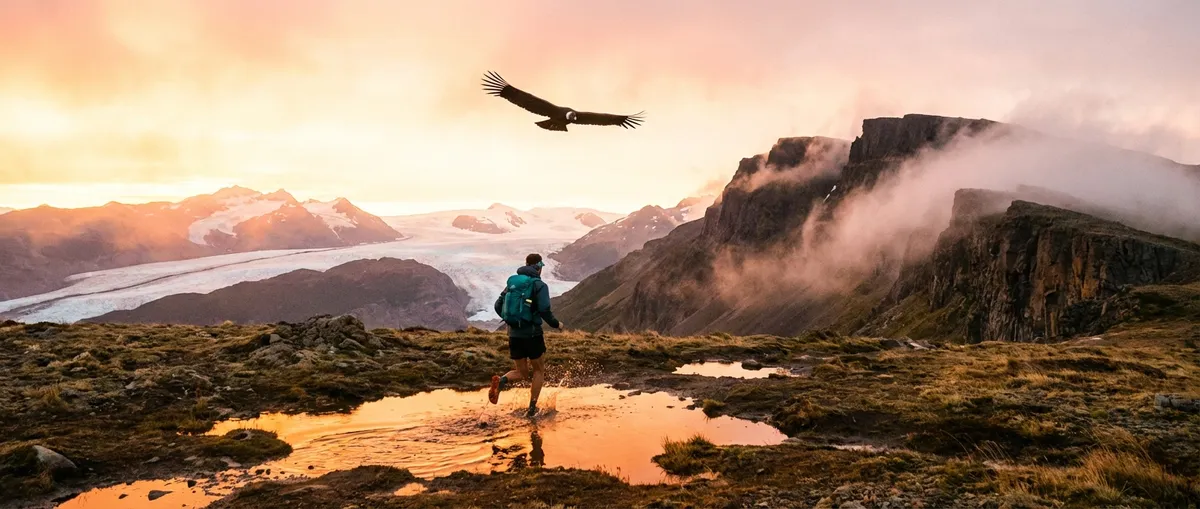
Active travel changes how you experience a destination. Instead of watching a city pass by through a bus window, you feel it under your feet, in your lungs, in the burn of your legs as you climb, trek, swim, or ride. It transforms “seeing a place” into “meeting a place.”
You don’t just snap a photo of Rio de Janeiro’s coastline—you run it at sunrise, sharing the road with locals on Avenida Atlântica. You don’t merely admire Kyoto’s hills from a distance—you cycle them, sweat beading on your back as temple bells echo in the trees. Adventure becomes a dialogue: between your body and the landscape, your limits and the terrain.
And the benefits go beyond brag-worthy photos. Research shows that moving outdoors can sharpen your mood, reduce stress, and even boost creativity. In new environments, your brain lights up with novelty, and your body responds with energy. Active travel rewires you to step into each day with intention, curiosity, and grit.
Destination Highlights for the Movement-Obsessed
When your passport doubles as a training log, not all destinations are created equal. Some places feel purpose-built for people who can’t sit still.
In Queenstown, New Zealand, the air itself seems caffeinated. One day you’re trail running along Lake Wakatipu’s shimmering shore; the next, you’re mountain biking through pine-scented switchbacks or hiking the Ben Lomond Track for sweeping alpine views. This is a place that dares you to go one adventure deeper.
Head to Barcelona, Spain, and your workout flows seamlessly into city life. Jog the beachfront from Barceloneta to Poblenou as the sun climbs over the Mediterranean, then dive into a sea swim to cool off. Later, power walk the steep streets up to Park Güell—your glutes will remember the climb even as your eyes feast on Gaudí’s surreal mosaics.
In Vancouver, Canada, fitness meets wilderness in minutes. Cycle or run the seawall in Stanley Park with mountains on one side and the Pacific on the other, then switch to a steep ascent up the Grouse Grind—“Mother Nature’s StairMaster”—for a lung-busting challenge above the city skyline.
And in Cape Town, South Africa, you can blend oceans, peaks, and urban energy. Start with a dawn hike up Lion’s Head or Table Mountain, then cap your day with a sunset run along Sea Point Promenade, the Atlantic crashing beside you as the sky turns molten gold.
These aren’t just pretty backdrops—they’re training partners.
5 Active Travel Tips to Turn Every Trip Into a Power Move
1. Build Your Itinerary Around Movement, Not Just Landmarks
Instead of plotting only museums and viewpoints, anchor your days with one movement mission. Maybe it’s a sunrise run through Prague’s Old Town, a mid-day hike above Lake Bled, or a city-wide cycling loop through Amsterdam. Use maps to spot parks, waterfronts, stair-filled neighborhoods, and urban trails, then weave your sightseeing into those routes.
Think in “movement blocks”: 30–90 minutes of intentional activity baked into the day. That way your training isn’t a bonus if there’s time—it’s the spine of your travel story. Landmarks become checkpoints in your personal adventure course, not the other way around.
2. Pack a “Micro Gym” That Fits in Your Daypack
You don’t need a hotel fitness center when your carry-on is your gym. Pack a lightweight, multi-use kit that travels anywhere:
- A medium-resistance loop band for glute activation, leg work, and shoulder warm-ups
- A long resistance band with handles for rows, presses, and pulldowns using a door or railing
- A jump rope for quick, high-intensity cardio bursts in a courtyard or park
- A compact massage ball or lacrosse ball for post-adventure recovery
With these, a quiet rooftop, lakeside pier, or hostel courtyard becomes your training zone. Use travel days—layovers, long train rides, slow mornings—as micro-workout opportunities: 10 minutes of mobility in the airport, 5 minutes of band work before bed. You’ll arrive in each new city primed, not stiff.
3. Use Terrain as Training: Hills, Stairs, Sand, and Water
Let the landscape design your workout for you. Each environment offers a unique challenge:
- Hills in places like San Francisco or Lisbon: Perfect for short, powerful hill sprints or steady-state climbs that torch your legs and lungs.
- Stairs on city viewpoints or old fortresses: Turn them into intervals—climb hard, walk down, repeat. Think Montmartre in Paris, or fortress steps in Dubrovnik.
- Sand on beaches in places like Bondi or Santa Monica: Soft surfaces dial up the intensity of runs, lunges, and jumps, building strength and stability.
- Water in lakes, oceans, or calm bays: Open-water swims, paddleboarding, or kayaking create full-body, low-impact workouts with unbeatable scenery.
Scan each destination when you arrive and ask: What kind of training does this landscape invite? Then say yes to it.
4. Train With the Locals: Classes, Clubs, and Community
Active travel isn’t just about solo grit—it’s a fast-track into local community. Seek out:
- Running clubs or weekly social runs (common in cities like London, New York, or Tokyo)
- Outdoor bootcamps, beach yoga, or park HIIT sessions
- Surf schools, climbing gyms, or SUP rentals that include beginner-friendly instruction
- Cycling tours that double as both sightseeing and sweat sessions
Drop into a sunrise yoga class in Ubud, join a local run group in Berlin, or sign up for a beginner surf session in Costa Rica. You’ll not only push your fitness, but gain insider tips on trails, safe running routes, and hidden gems. Shared effort breaks the ice faster than small talk ever will.
5. Recover Like an Athlete So You Can Adventure Longer
Active travel can sneak into overtraining if you’re not careful: long hikes layered onto big city walks, plus a “quick run,” and suddenly your legs are wrecked by day three. Treat your body like the engine of your trip.
Prioritize sleep, even if that means leaving the bar early once or twice. Hydrate aggressively—especially after flights or hot-weather days—and refuel with protein and complex carbs at regular intervals. Use simple recovery rituals: 5–10 minutes of stretching before bed, a nightly session with your massage ball, and one “easy movement” day every few days (gentle walk, slow bike ride, casual swim).
Scope out saunas, thermal baths, or onsen in destinations like Iceland, Budapest, or Japan for next-level recovery that doubles as cultural immersion. Your adventures will last longer, and you’ll have more in the tank for that last-minute sunrise hike or evening paddle.
Conclusion
Active travel isn’t a niche—it’s a mindset. It’s choosing to feel a city’s heartbeat at your own pace, on your own feet, through your own breath. It’s trading passive itineraries for lived experiences, where your quads remember the mountain, your shoulders remember the paddle strokes, and your lungs remember the thin air above the treeline.
When you start designing trips around movement, the map transforms. Rivers become rowing lanes. Alleys become agility courses. Hills become teachers. Every border crossed is another chance to test what your body can do and expand what your mind believes is possible.
Pack your micro gym, chart your movement missions, and go chase the horizon—one powerful stride, stroke, and summit at a time.
Sources
- American Council on Exercise (ACE) – Benefits of Outdoor Exercise - Explains mental and physical advantages of training outside, relevant to active travel.
- Harvard T.H. Chan School of Public Health – Physical Activity and Health - Summarizes evidence on how regular movement improves overall health and longevity.
- U.S. National Park Service – Plan Your Adventure - Offers guidance on safe, active adventures in natural environments, including trails and outdoor activity planning.
- Tourism New Zealand – Queenstown Adventure Capital - Showcases Queenstown’s wide range of outdoor and adventure activities for active travelers.
- Destination Vancouver – Outdoor Activities - Highlights Vancouver’s run, hike, and bike options that help illustrate active city-based travel.