Why the World Is Your Most Powerful Gym
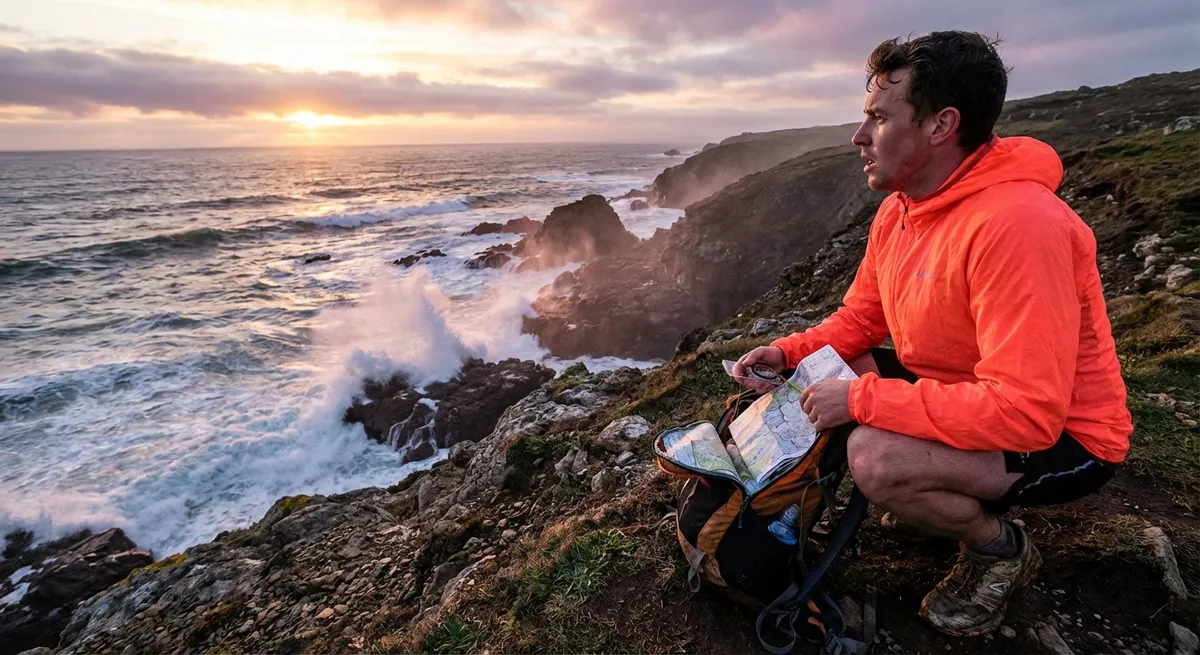
Step outside and your training instantly shifts from predictable to electrifying. Uneven cobblestones challenge your stabilizers more than any treadmill. Wind resistance on a cliffside path turns a simple jog into a strength session. Sand, snow, altitude, humidity—all of it forces your body to adapt, building real-world fitness you simply can’t replicate in a climate-controlled gym.
Outdoor movement also lights up your senses. Studies suggest that exercising in nature can lower stress, boost mood, and improve focus. You’re not just counting reps; you’re tracking sunrises, ocean swells, and the rhythm of a new city waking up. Every destination becomes a different kind of training lab: steep staircases in Lisbon to power your glutes, park trails in Vancouver to sharpen your trail awareness, sea-level boardwalks in Barcelona to refine your pacing.
The best part? You’re syncing your workout with local life—passing market stalls in Marrakech, early-morning tai chi groups in Hong Kong, or cyclists along Copenhagen’s waterfront. You’re not just visiting; you’re moving with the city.
Destinations That Double as Outdoor Training Arenas
Some places are practically begging you to lace up your shoes and get outside. When you plan your travels with movement in mind, you unlock entire landscapes of opportunity instead of just ticking off landmarks.
Imagine sunrise intervals on Rio de Janeiro’s Copacabana and Ipanema promenades, where the Atlantic air cools every sprint and the mountains frame your cooldown stretches. Picture hiking the trails around Queenstown, New Zealand, where every incline rewards you with alpine lakes and snow-dusted peaks that make lactic acid feel like a worthy trade.
Coastal cities like Sydney or Cape Town hand you a complete training circuit: cliff walks for endurance, beach sprints for power, ocean swims for full-body conditioning. In places like Tokyo or Berlin, vast urban parks become your daily training base—loops for tempo runs, benches for step-ups and dips, open lawns for mobility and yoga.
Even compact, historic cities like Florence or Cusco offer natural “workout architecture”: river paths for steady runs, cathedrals and viewpoints at the top of brutal stair climbs, and narrow streets that turn a simple walk into a rolling interval session as you chase each new vista.
Five Active Travel Tips for Fitness-Fueled Explorers
1. Train With the Terrain, Not Against It
Instead of forcing your usual gym routine into a new environment, let the landscape write your workout.
Use steep hills for power hiking or hill repeats. Turn long promenades or river paths into tempo runs or brisk walking circuits. On beaches, embrace soft-sand sprints, walking lunges at the waterline, and planks where the waves almost catch your toes. In cities, treat stairs, benches, and plazas as ready-made training tools.
By adapting your workout to local terrain, you’ll build strength, stability, and endurance specific to that environment—exactly what adventure demands.
2. Pack a “Micro Gym” That Fits in Your Daypack
You don’t need bulky gear to train hard on the road. A compact kit can transform any patch of ground into a full-body studio.
Slip a light resistance band, a mini-loop glute band, and a jump rope into your bag; they weigh almost nothing but add massive versatility. With just your bodyweight and a few bands, you can hit every major muscle group in a hotel courtyard, mountain hut, or rooftop terrace. Add a collapsible water bottle and a small microfiber towel and you’re ready to go from sightseeing to sweat session in minutes.
This micro gym approach keeps your training possible even on travel days or in destinations where gyms are scarce, expensive, or uninspiring.
3. Sync Your Workouts With Sunrise and Sunset
Dawn and dusk are the golden windows for outdoor athletes on the move. You beat both the crowds and the heat (or cold), and you see a side of each destination most tourists miss.
Use sunrise for performance-focused sessions—interval runs along quiet boulevards, stair circuits at viewpoints before the buses arrive, mobility work as fishermen or vendors set up for the day. Save sunset for slower, intentional movement: beach jogs, long urban walks, or yoga overlooking city lights or mountain silhouettes.
These daily rituals anchor your routine, fight jet lag, and give you two touchpoints of pure, grounded presence—no ticket needed, just sweat and sky.
4. Let Local Culture Shape Your Movement
Active travel isn’t just about where you move; it’s about how locals move, too. Use each destination as an invitation to step into its motion.
Join an outdoor bootcamp in London’s parks, try a calisthenics park in Barcelona, rent a bike in Amsterdam or Copenhagen and commute like a local. In Southeast Asia, morning tai chi or group dance sessions in public squares offer gentle yet surprisingly demanding movement. Beach towns often have public workout rigs where locals crank out pull-ups at sunset.
Not only do you get a fresh training stimulus, you tap into the heartbeat of the place—and sometimes meet adventure partners who’ll show you trails and routes you’d never find on a map.
5. Build Your Itinerary Around “Active Anchors”
Design your travels so major sights are linked by human-powered movement instead of taxis and tour buses. Choose a few “active anchors” for each stop—trails, stair climbs, scenic loops—and plan your days around them.
Maybe you run to a famous viewpoint instead of taking the tram. Hike between nearby villages instead of hopping a shuttle. Explore entire neighborhoods on foot, using parks and waterfronts as your “rest stops” for strength or mobility bursts. Track your days not only in photos, but in distance covered under your own power.
This approach turns every day into a living, breathing training log—miles, meters, elevation, sweat, and awe, all woven together.
Staying Strong, Safe, and Stoked Outdoors
With all that adventure, smart preparation keeps your body ready for the long haul. Hydration matters more than usual when you’re exploring on foot, especially in hot or high-altitude destinations. Carry water, sip regularly, and listen when your body asks for a pause. If you’re training in a new climate—tropical humidity, desert heat, alpine chill—scale your intensity, especially on day one.
Pay attention to footing: cobblestones, wet boardwalks, root-covered trails, and loose sand demand focus and stable shoes. When in doubt, slow down; staying upright is a far better story than nursing an injury in a hostel bunk. Build in active recovery days with gentle walks, easy swims, or light stretching so your body can absorb the training and the travel.
Above all, move with curiosity, not compulsion. Outdoor workouts on the road aren’t about perfection or rigid programs. They’re about weaving fitness into the narrative of your journey—chasing the horizon one stride, pedal, stroke, and deep breath at a time.
Conclusion
The world is full of people who travel to escape their routine. You’re here to rewrite yours. Outdoor workouts turn border crossings into personal breakthroughs and foreign skylines into finish lines. When you choose to push your limits in the open air of unfamiliar places, you come home carrying more than passport stamps—you bring back a stronger body, a braver mindset, and a deeper connection to the planet you just crossed under your own power.
Pack your micro gym, lace up your shoes, and step outside. The horizon is waiting—and it’s the best training partner you’ll ever have.
Sources
- Harvard Health Publishing – Regular exercise changes the brain to improve memory, thinking skills - Overview of exercise benefits on brain health and mood
- American Council on Exercise – The Benefits of Exercising Outdoors - Explains physiological and psychological advantages of outdoor training
- National Park Service – Hiking Basics - Practical guidance on safe hiking, terrain awareness, and preparation
- Centers for Disease Control and Prevention – Physical Activity Basics - Evidence-based activity recommendations for adults and travelers
- Stanford News – Nature experience reduces rumination and subgenual prefrontal cortex activation - Summarizes research on how time in nature can improve mental well-being