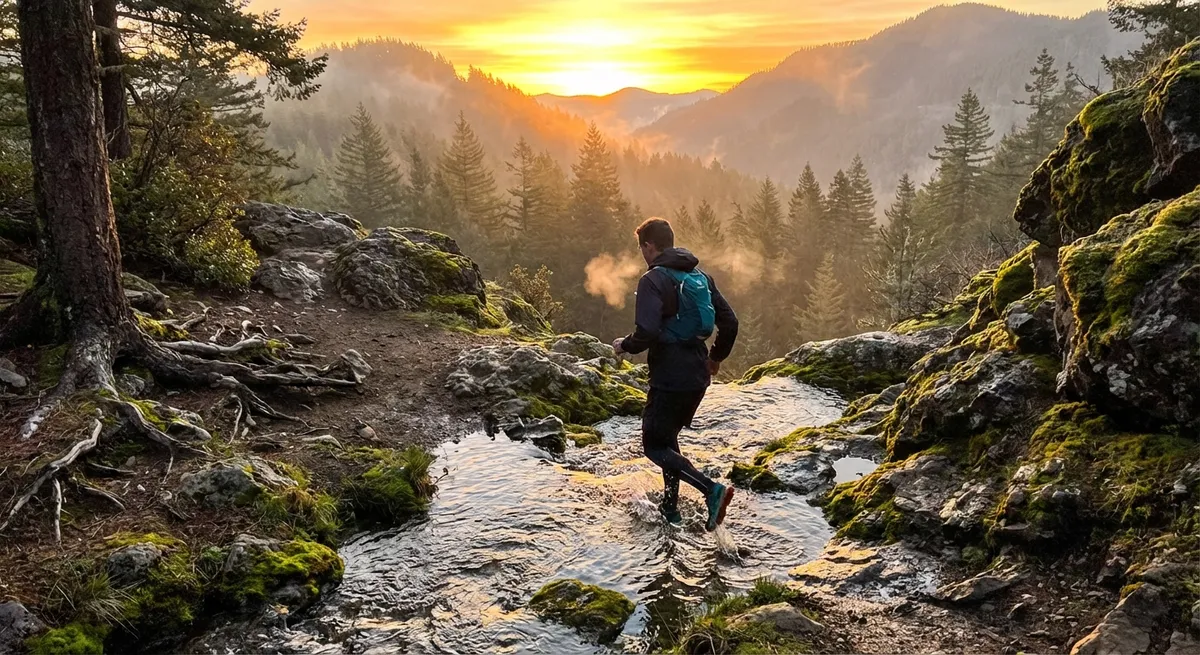
Adventure Fitness: Training for a Life That Moves
Adventure fitness is about building a body that’s prepared for the unknown—and a mindset that craves it.
Instead of training only for aesthetics or numbers in the gym, you train for real-world challenges: steep stone staircases in historic towns, long days on your feet exploring markets, impulsive kayak trips, or last-minute hikes to a hidden viewpoint. Your workouts at home become rehearsals for the adventures you haven’t discovered yet.
This approach blends strength, endurance, mobility, and resilience. You’re not chasing perfection; you’re building a durable engine that lets you say “yes” more often—yes to spontaneous treks, yes to sunrise paddleboarding, yes to biking through a new city rather than sitting on a bus.
Adventure fitness also sharpens your mental edge. Navigating unfamiliar terrain—both literal and metaphorical—teaches you to adapt, stay calm under stress, and trust your preparation. Every journey becomes a feedback loop: what your body handled well, what you want to train more, and what new goals you’ll chase next.
Destinations That Inspire Movement
Some places naturally invite you to move more, breathe deeper, and push a little further. When you think about adventure fitness, imagine destinations not just as backdrops, but as training partners.
Picture the rugged coastlines of Portugal’s Algarve, where cliffside paths turn your morning jog into a windswept trail run and hidden coves invite you to test your open-water swimming. Or the dramatic landscapes of Patagonia, where long, wind-beaten hikes demand leg strength, endurance, and mental grit—but reward you with glacier-framed horizons most people only see in photos.
Urban explorers might feel drawn to cities like Tokyo or Barcelona, where walkable neighborhoods, bike lanes, and sprawling parks set the stage for all-day step counts and twilight bodyweight workouts in public spaces. In tropical destinations, like Costa Rica, jungle hikes, waterfall scrambles, and surf sessions transform your daily “cardio” into pure exhilaration.
Wherever you go, look for vertical gain (hills, stairs, mountains), blue spaces (oceans, rivers, lakes), and green spaces (parks, forests, trails). These are the natural arenas where adventure fitness thrives—and where every workout feels less like a chore and more like a story you’ll want to tell.
Five Active Travel Tips for the Fitness-Obsessed Voyager
1. Build an “Adventure-Ready” Base Before You Depart
Adventure travel is more fun when your body can keep up with your curiosity. In the weeks before your trip, focus on building a balanced “base” that prepares you for variety, not just one narrow type of effort.
Mix in:
- Leg strength and endurance (squats, lunges, step-ups, hill sprints) to handle long hikes, stair climbs, and heavy backpacks.
- Core stability (planks, carries, anti-rotation work) to support you on uneven terrain, while paddling, or when cycling over cobblestones.
- Cardio variety (intervals plus longer steady sessions) so you’re ready both for short bursts—like sprinting to catch a train—and long days exploring on foot.
Train with your actual travel gear when possible. Load your pack with weight and walk local hills or practice moving quickly with your carry-on. Think of it as a dress rehearsal for your adventure: you’re teaching your body what’s coming so it can say, “No problem.”
2. Turn Transit Days into Micro-Training Missions
Travel days can drain you—or they can become stealth training opportunities that keep your energy levels high.
At airports, train stations, or rest stops:
- Take the stairs instead of escalators—every flight is free conditioning for future hikes.
- Between connections, do short mobility circuits: ankle circles, hip openers, cat-cow, and shoulder rolls to offset sitting.
- Walk the terminal briskly with your backpack instead of sitting at the gate; consider it a loaded carry session.
On planes or long buses, set a quiet timer to stand, stretch, and move every 60–90 minutes when it’s safe to do so. Even small bouts of movement help circulation, reduce stiffness, and keep your body primed for the action that awaits when you arrive.
You don’t need to turn transit into a full-blown workout. Think of it as “maintenance mode”—just enough movement to land feeling alive, not wrecked.
3. Use the Landscape as Your Gym (No Equipment Needed)
The world is full of improvised training tools if you know how to look.
At the beach, soft sand turns a simple jog into a strength and stability challenge. Hill repeats on a cobblestone street in Lisbon or Edinburgh become natural interval training. A sturdy park bench in Vancouver or Cape Town doubles as your station for step-ups, incline push-ups, and tricep dips.
In many cities, public parks and waterfront promenades are lined with outdoor fitness stations or calisthenics bars. Design quick circuits like:
- 10 push-ups on a bench
- 15 squats facing a scenic overlook
- 20 walking lunges down a path
- 30-second plank on your towel or jacket
Repeat for 3–5 rounds between photo stops. You’re not chasing exhaustion; you’re layering effort into your day so that movement becomes part of the way you travel, not a separate chore.
4. Anchor Each Day with One Intentional Movement Ritual
When your schedule is unpredictable, routines keep your fitness (and sanity) anchored. Instead of planning rigid workout times, commit to one daily movement ritual that fits any destination.
A few ideas:
- A 15–20 minute sunrise mobility and core session on your balcony, hostel courtyard, or a quiet corner of the campsite.
- A pre-dinner “explorer walk”—30–60 minutes of brisk walking to get lost (safely) in a neighborhood, chase viewpoints, or scout tomorrow’s adventures.
- A nighttime stretch and breath session to reset after long days on your feet, calm your nervous system, and prepare for quality sleep.
Choose a ritual that excites you and feels doable even when you’re tired. That consistency becomes your anchor. Over the course of a trip, these small, repeatable efforts stack up into meaningful progress—without ever needing a formal gym.
5. Let Local Experiences Be Your “Workouts”
One of the most powerful shifts in adventure fitness is to stop separating “training” from “travel.” Instead, seek out experiences that are both memorable and physically engaging.
In mountain towns, sign up for guided ridge hikes or via ferrata routes that push your comfort zone while keeping you safe. Coastal escapes might offer surf lessons, stand-up paddleboarding, or free-diving introductions that challenge your balance, breath control, and courage. In cycling-friendly cities, rent a bike for the day and treat the urban landscape as your endurance course.
Ask locals or guides where they go to move—trail-running loops, sunrise stair climbs, community yoga in parks, or weekly group rides. Not only will you find fantastic “workouts,” you’ll tap into the culture of movement in that place and see a side of the destination most tourists miss.
Every time you choose the more active option—walking instead of riding, paddling instead of cruising, hiking to the viewpoint instead of taking the cable car—you’re training. And you’re collecting the kind of memories no treadmill can give you.
Conclusion
Adventure fitness is an invitation to live wide awake—a way of moving through the world that turns your body into your favorite piece of travel gear. You’re not just logging miles; you’re building stories into your muscles: the climb that felt impossible until it wasn’t, the city you learned by footstep, the sea that taught you how strong your lungs really are.
Prepare with intention, say yes to the active option, and let every landscape you visit shape the way you move. The world is vast, your body is capable, and the trail—from airport gates to high mountain passes—is waiting. Pack your curiosity, your courage, and your training. The rest, you’ll discover out there.
Sources
- Centers for Disease Control and Prevention – Physical Activity Guidelines – Evidence-based recommendations for adult physical activity and health benefits
- American College of Sports Medicine – Exercise and Physical Activity – Research-backed guidance on cardio, strength, and functional fitness for active lifestyles
- Harvard T.H. Chan School of Public Health – Benefits of Physical Activity – Overview of how regular movement improves longevity, mood, and resilience
- World Health Organization – Physical Activity Fact Sheet – Global perspective on activity levels, health impacts, and recommendations
- National Park Service – Hiking Tips – Practical safety and preparation advice for hiking and trail-based adventures