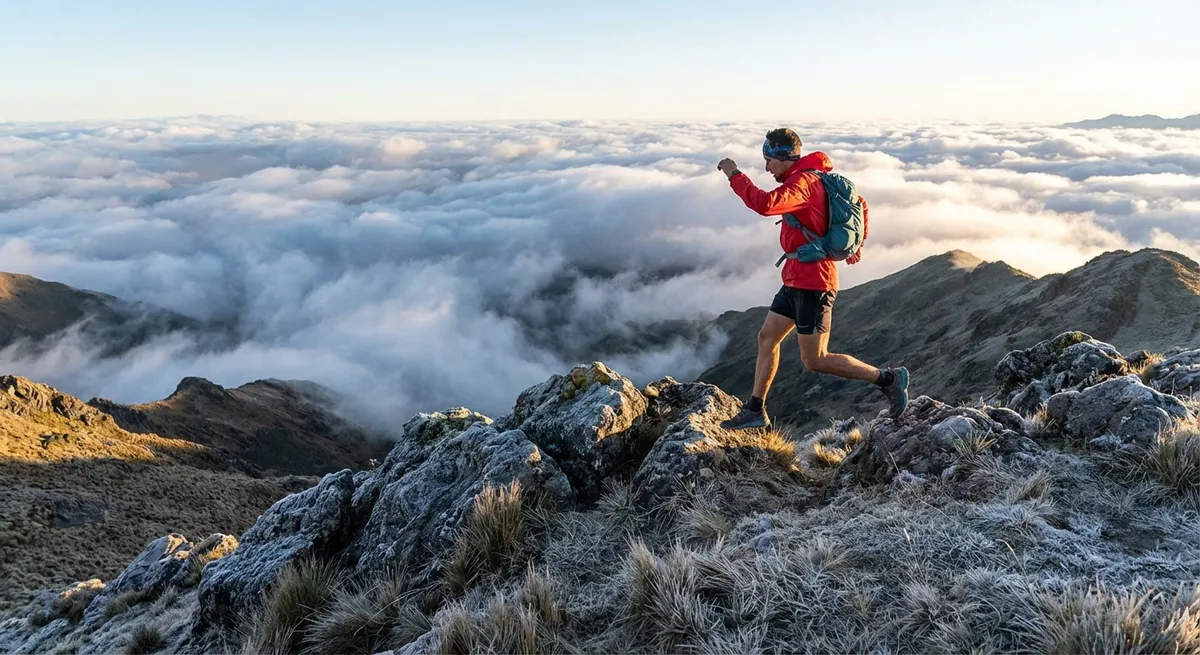
Why Adventure Fitness Hits Different
Adventure fitness is the sweet spot where travel, movement, and mindset collide. You’re not working out just to hit arbitrary numbers—you’re building a body and brain that can handle the unknown: surprise detours, sketchy looking staircases, and that last scramble to the viewpoint everyone else skips.
Unlike traditional “vacation mode,” active travel flips the script. Your hotel is a recovery zone, not the main event. Your workout might be a sunrise climb above Lake Atitlán in Guatemala, a trail run through pine forests in Slovenia’s Julian Alps, or a coastal bike push into the wind in Portugal’s Algarve. Your heart rate spikes while your senses switch on: smells of jungle after rain, the rumble of distant waterfalls, the crunch of volcanic gravel under your boots.
The benefits stretch way beyond toned calves. Physical activity on the road can dial down jet lag, protect your mental health, and keep your immune system in the game when your routine and diet shift. Even simple movement—like choosing stairs over escalators in Tokyo’s train stations or walking Lisbon’s hills instead of calling a cab—can transform how deeply you connect with a place.
At its core, adventure fitness is about building a durable, curious body that says “yes” more often—yes to the hike the locals swear by, yes to the surf session that starts before dawn, yes to the long way back because the view is better.
Destinations That Invite You to Move
The world is stacked with places that practically beg you to lace up and get outside. Adventure fitness isn’t only about epic, Instagram-famous shots; it’s about destinations that make movement feel natural, necessary, and irresistible.
Picture this: dawn creeping over Peru’s Sacred Valley as you power up ancient Inca stone steps, lungs burning at altitude while the Andes glow pink around you. The path is your workout, but the payoff is mystical—ruins above, river below, and the memory of every switchback carved into your quads.
Or you’re on a ferry skimming across the fjords of western Norway, scoping the steep trails that zigzag up from the water. By afternoon you’re part hiking, part climbing, hauling your body up toward a viewpoint where the world unfolds in sheer cliffs, silver water, and tiny boats that look like toys.
Head to New Zealand’s South Island and your “leg day” becomes a series of glacier-fed lake hikes and suspension bridge crossings in Aoraki/Mount Cook National Park. Rest day? That’s a gentle paddle on Lake Pukaki with snow-capped peaks watching over your recovery.
Love coastal energy? The Greek islands and Spain’s Costa Brava offer cliff walks, sea kayaking, cold-water swims, and rocky stair climbs between hidden coves. In each of these places, movement is the best language you can speak—locals hike, bike, climb, and swim their landscapes as a way of life, not a chore.
The destinations that fuel adventure fitness share a few traits: varied terrain, accessible trails or waterways, a culture that values the outdoors, and opportunities to level up gradually—from “I just want a scenic walk” to “I can’t believe I just did that.”
5 Active Travel Tips for the Adventure‑Obsessed
1. Train for Terrain, Not Just Aesthetics
Shape your workouts around the landscapes you’re chasing. Heading somewhere mountainous like the Dolomites or Patagonia? Prioritize incline walking, step-ups, and loaded carries to mimic uphill trails. If you’re planning a cycling-heavy trip through the Netherlands or Vietnam, build steady-state cardio and back/core strength into your pre-travel plan.
Focus on:
- Stairs and hills: Hit local staircases or hills with a backpack; gradually add weight to simulate trail days.
- Single-leg strength: Lunges, split squats, and Bulgarian squats help handle uneven ground.
- Ankles and hips: Mobility drills and balance work (single-leg stands, wobble surfaces) reduce the risk of sprains on rocky routes.
Instead of “beach body,” think “durable body”—one that can handle long days, awkward packs, and unpredictable conditions.
2. Pack a Micro Gym That Fits in Your Daypack
You don’t need a full setup to stay sharp on the road. A simple “micro gym” can turn a park, hostel courtyard, or lakeside into your training ground without weighing you down.
Consider packing:
- Light resistance band: For rows, pull-aparts, glute activation, and shoulder warm-ups.
- Mini loop band: Perfect for hip work before hikes or runs.
- Jump rope: Compact cardio tool when you’re short on time or space.
- Suspension trainer (optional, if you have room): Turns any sturdy tree or beam into a full-body workout station.
Use your surroundings as equipment: park benches for step-ups and tricep dips, playground bars for hangs and pull-up attempts, beach sand for added resistance during sprints or walking lunges. The goal isn’t to smash PRs; it’s to keep your engine tuned so you can say yes to that last-minute, full-day trek.
3. Turn Transit Days into Movement Opportunities
Travel days don’t have to be mobility disasters and snack marathons. With a bit of intention, they can become stealth training sessions that keep you ready for adventure.
At airports, train stations, or bus stops:
- Walk the concourses instead of sitting at the gate.
- Stretch your hips, calves, and chest during boarding waits.
- Use wall sits, calf raises, and light dynamic moves in quiet corners.
On the plane or bus:
- Ankle circles, seated marches, and gentle torso rotations help circulation.
- Stand and walk when possible to fend off stiffness and swelling.
Once you land, resist the urge to collapse for hours. Aim for a short walk in daylight, some light mobility, and a few bodyweight moves. You’ll sleep better, shake off jet lag more quickly, and be ready for early-morning escapades.
4. Let Local Culture Shape Your Workouts
One of the greatest joys of adventure fitness is folding local customs and movement traditions into your routine. You’re not just visiting—you’re participating.
Examples:
- In Japan, join a gentle morning walk in a local park, or try radio taiso (group calisthenics) if you stumble upon it.
- In Costa Rica, balance surf sessions with barefoot beach runs at sunrise, then wind down with a yoga class in a jungle shala.
- In Morocco’s Atlas Mountains, hike with local guides and learn how they pace inclines, rest, and hydrate in the heat.
Seek out local running clubs, surf schools, climbing gyms, or outdoor fitness groups. You’ll get insider tips on trails, routes, and safety while gaining a deeper understanding of how people live actively day-to-day. Adventure fitness is as much cultural immersion as it is physical challenge.
5. Protect the Engine: Recovery As a Non‑Negotiable
Adventure doesn’t mean ignoring your body’s red flags. Recovery becomes more important when you’re stacking long days of movement, time zone shifts, and less-predictable sleep and food.
Build simple rituals:
- Hydration habit: Start every morning with water before coffee, especially at altitude or in hot climates.
- Mini reset: Five to ten minutes of mobility work each night—hips, hamstrings, calves, upper back—can undo hours of hiking or city wandering.
- Smart pacing: Alternate big objective days (summits, long bike rides, big climbs) with lighter days—short walks, gentle swims, or casual exploring.
Sleep is your superpower on the road. Use earplugs, eye masks, or white noise apps to protect it. A body that’s under-recovered turns epic trails into grind-fests; a rested one turns them into playgrounds.
Weaving Fitness Into Every Step of the Journey
Adventure fitness isn’t a separate chapter from your travels—it’s the ink the whole story is written in. When movement is the way you meet a place, every hill, headwind, and sore muscle becomes part of the memory. You remember the climb, not just the view. You remember your heartbeat in your ears as clearly as the sunset colors in the sky.
You don’t need to be elite. You just need to be willing: to climb one more switchback, to wake up for the early ferry to reach the trailhead, to carry your own pack a little farther than is comfortable. The world is full of routes that will reshape not just your body, but the way you see yourself.
Pack your grit. Pack your curiosity. Build the strength to follow the path that tugs at you—even if it’s steep, rocky, or a little uncertain. That’s where the real stories live.
Sources
- World Health Organization – Physical Activity and Health - Overview of the health benefits of regular physical activity, useful context for why active travel matters
- Centers for Disease Control and Prevention – Travel Health & Safety - Guidance on staying healthy and safe while traveling, including movement on long travel days
- Harvard T.H. Chan School of Public Health – Benefits of Physical Activity - Research-backed summary of physical activity’s physical and mental benefits
- National Park Service – Hiking Basics - Practical tips on hiking preparation, safety, and pacing that support adventure fitness trips
- New Zealand Department of Conservation – Plan and Prepare for Outdoor Safety - Official guidance on getting ready for outdoor adventures like hikes and treks