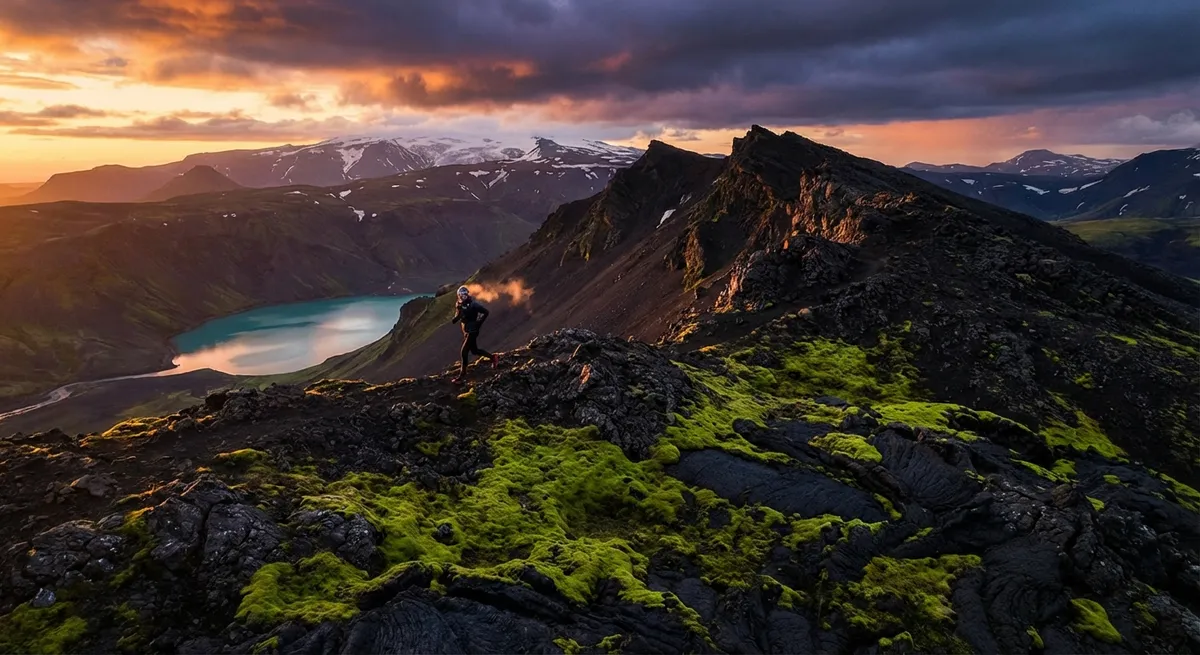
Destinations That Turn Sweat Into Story
Some places seem designed to wake up your muscles as much as your sense of wonder. They’re not “gym vs. vacation”; they’re “gym as vacation.”
In Cape Town, South Africa, the city surges up against the sea and the towering face of Table Mountain. Morning trail runs on Lion’s Head deliver steep climbs and panoramic views of the Atlantic, while coastal routes along Sea Point Promenade let you clock your miles with crashing waves as your metronome. Between climbs and runs, cold plunges in the ocean double as recovery.
In Queenstown, New Zealand, every direction is an outdoor playground. You can cycle around Lake Wakatipu, hike the Ben Lomond Track for leg-burning switchbacks, then trade your rest day for whitewater rafting or bungee jumps that test your courage as much as your core stability. Here, elevation, weather, and terrain become training partners.
Then there’s Kyoto, Japan, where fitness and mindfulness blend. Early-morning runs through temple-lined paths and forested hills let you stack endurance with serenity. The Philosopher’s Path becomes a low-impact, meditative walk or jog; the steps to hillside shrines offer natural plyometrics with a side of cultural immersion. You’re not just sweating—you’re moving through stories centuries old.
Build Your Journey Around Movement, Not Just Mileage
Active travel isn’t about cramming a vacation full of workouts; it’s about designing a journey where movement is how you explore.
Start with the terrain. Want stronger legs and lungs? Target destinations with hills and trail networks—think the Dolomites in Italy or Colorado’s Front Range. Craving long, steady-state efforts? Look for coastal bikeways like those in the Netherlands or Portugal’s Algarve, where you can ride for hours with minimal traffic and endless views.
Next, choose a “movement theme” for your trip: trail running in Patagonia, multi-day trekking in Nepal, or city cycling in Copenhagen. Let that theme guide your lodging choices (near trailheads, parks, cycle lanes), your daily rhythm, and even your meals. This turns every choice—from which neighborhood you stay in to how you get from A to B—into an opportunity to move.
Finally, layer in anchor experiences: a sunrise peak, a long coastal ride, a big hike, or a local race. These become the tent poles of your itinerary. Everything else—cafés, museums, markets—fills the space between, like active recovery for the soul.
5 Active Travel Tips for Fitness-Fueled Adventurers
Active travelers don’t just pack a passport; they pack intention. These five tips help you stay powerful, safe, and ready for whatever the map throws at you.
1. Train for the Terrain Before You Go
Treat your destination like an event you’re peaking for.
If you’re heading somewhere mountainous—like Chamonix, the Rockies, or the Atlas Mountains—normalize your body to climbing. Two to three times per week, add hill repeats, stair workouts, or incline treadmill sessions. For coastal cycling trips, build up your saddle time and core strength with longer rides and cross-training, so you can enjoy the scenery instead of just surviving the distance.
This isn’t about chasing perfection; it’s about respecting the landscape enough to show up prepared. The payoff: fewer injuries, less fatigue, and more energy to fully experience the place.
2. Pack a Minimalist “Anywhere Workout” Kit
You don’t need a suitcase full of gear to stay on track. A compact, high-impact kit can turn any hotel room, rooftop, or park into a training ground.
Consider packing:
- A light resistance band or loop band for strength and mobility
- A compact jump rope for quick cardio sessions
- A travel-friendly yoga mat or foldable mat towel
- A lacrosse or massage ball for self-massage after long travel days
With just these tools, you can cycle through bodyweight circuits, mobility flows, and short HIIT sessions in 20–30 minutes. You stay consistent without sacrificing exploration time—and you’re ready for spontaneous hikes, runs, or surf sessions when opportunities appear.
3. Let Local Culture Shape Your Movement
Use movement to enter the culture, not hide from it.
In Tokyo, try walking commutes between neighborhoods instead of always taking the metro—your step count will skyrocket, and you’ll catch side streets most tourists miss. In Copenhagen or Amsterdam, rent a bike and navigate like a local, building functional strength and balance along the way. In Rio de Janeiro, join a beach volleyball game or a local running group at Copacabana or Ipanema.
Ask locals how they stay active: Are there community runs, outdoor fitness parks, or early-morning group hikes? Let their habits pull you out of a “gym mindset” and into a lifestyle approach to movement that you can bring back home.
4. Build Recovery Into Your Itinerary
Adventure doesn’t mean redlining your body every day. Strategic recovery is what turns a demanding trip into sustainable growth instead of burnout.
After a heavy hike day in the Dolomites or a long run across the highlands of Scotland, plan for gentler movement: a slow city walk, a casual bike ride by the river, or an easy yoga session in the park. Look for destinations that naturally support recovery—onsen hot springs in Japan, thermal baths in Budapest, ocean swims in Bali or Costa Rica.
Stay ahead of dehydration, especially on flights or at altitude. Carry an electrolyte mix, drink regularly, and prioritize sleep even if it means saying no to a late-night outing. Recovery doesn’t dull the adventure; it makes tomorrow’s adventure possible.
5. Capture Your Progress, Not Just the View
You’re not only collecting photos—you’re collecting evidence of your evolution.
Document your movement story: snapshots of your watch after a sunrise run in Barcelona, a time-lapse of your hotel-room workout, a quick video diary at the summit you almost turned back from. Log your routes in an app so you can revisit the exact streets and trails where you left your comfort zone.
Sharing these moments (and tagging your route or destination) can inspire others to rethink what “vacation” means. More importantly, when the trip is over, you’ll have a visual record of what your body and mind can do in unfamiliar terrain—and that memory becomes fuel for your next leap.
Destinations Worth Sweating For
The best fitness destinations aren’t just beautiful; they demand something of you and give back even more.
In the Swiss Alps, every ascent rewards you with glacier views and alpine lakes that beg for an icy plunge. In Morocco’s High Atlas, switchback trails lead through tiny Berber villages where tea and local hospitality become part of your recovery protocol. Along Portugal’s Rota Vicentina, you can trail run or hike cliffside paths, then refuel with fresh seafood as the Atlantic hammers away below.
Urban landscapes can be just as powerful. Mexico City’s high altitude quietly turns your jogs and walks into stealth performance training. Vancouver pairs seawall runs with mountain access, so you can trail run in the morning and paddleboard by sunset. Singapore’s network of parks and connectors lets you string together long, green corridors for runs and rides in the heart of the tropics.
Wherever you go, the pattern is the same: the world challenges you, you rise to meet it, and the story of that effort stays with you long after your boarding pass is scanned.
Conclusion
Fitness travel isn’t about escaping your routine; it’s about expanding it across continents. When you let landscapes shape your training and let training shape your journey, destinations become more than coordinates on a map—they become chapters in the story of your strongest self.
Choose places that make you want to move. Prepare with intention. Pack light but smart. Listen to your body, chase the sunrise, and let your heart rate—and your curiosity—guide your itinerary. The next time you look at a mountain ridge, a coastline, or a skyline, don’t just ask, “Is it beautiful?” Ask, “How can I move through this?”
Your passport is a training tool. The world is open. Go earn your views.
Sources
- Centers for Disease Control and Prevention – Physical Activity Guidelines - Overview of recommended activity levels for adults, useful for planning safe, effective travel workouts
- Harvard T.H. Chan School of Public Health – Benefits of Physical Activity - Details on how regular movement supports health, performance, and longevity
- American College of Sports Medicine – Exercise at Altitude - Guidance on training and exercising safely at higher elevations, relevant for mountain destinations
- World Health Organization – Physical Activity Fact Sheet - Global perspective on the importance of physical activity and its health impacts
- Visit Copenhagen – Green Copenhagen & Cycling Culture - Example of a city where active transport and cycling culture shape how travelers can explore actively