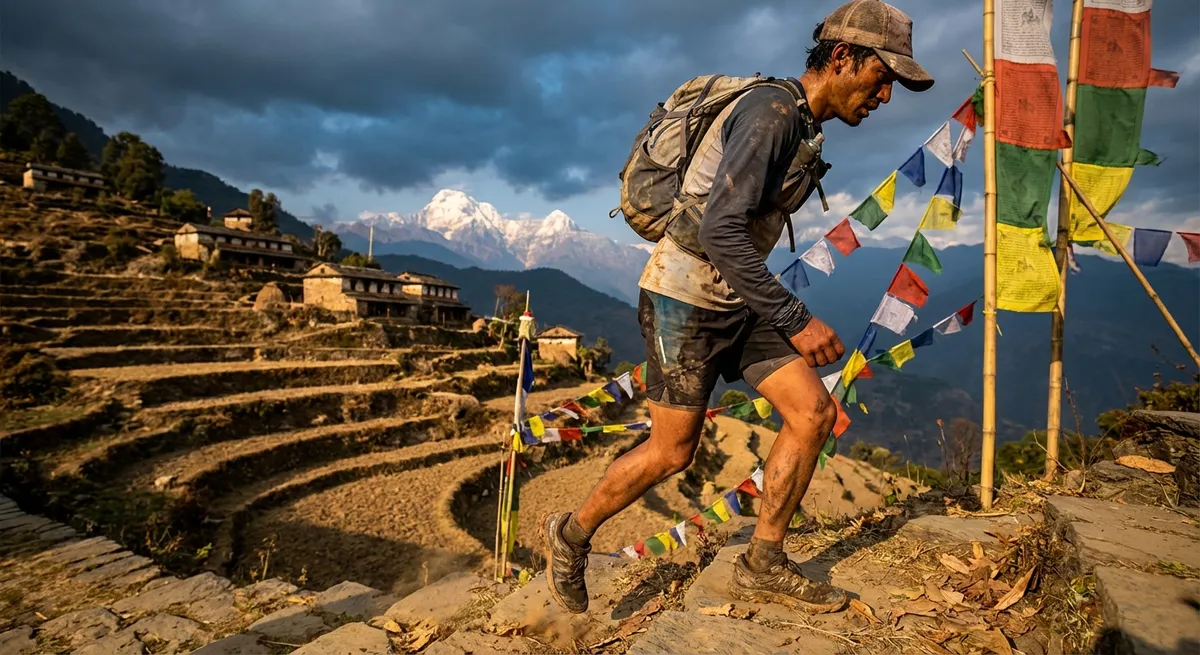
Active travel is about chasing sunrises instead of snooze buttons, swapping treadmills for trails, and letting foreign streets, mountains, and coastlines shape your strength. Pack your curiosity, lace up your shoes, and let’s turn the world into your workout.
Why Active Travel Changes the Way You Move (and Think)
Active travel weaves movement into the very fabric of your journey. Instead of scheduling “gym time,” your entire day is a moving meditation through unfamiliar terrain, new cultures, and different ways of life.
Physically, you’re stacking benefits: more walking, variable terrain, fresh air, and constant micro-challenges that build functional strength, balance, and endurance. Mentally, you gain a sharper sense of presence—navigating a maze of alleyways in Lisbon or a forest path in Costa Rica demands attention in a way no stationary bike ever will.
You also tap into a powerful feedback loop: the fitter you are, the more the world opens up. Steep staircases in Santorini become invitations, not obstacles. A ridge trail in New Zealand feels less like a risk and more like a privilege. Active travel doesn’t just maintain your fitness; it rewires your sense of what’s possible every time you sling a backpack over your shoulders.
Destinations That Beg You to Move
Every corner of the globe has its own way of saying, “Come explore me.” Some places practically demand that you arrive ready to sweat.
In Queenstown, New Zealand, dubbed the “Adventure Capital of the World,” your options read like a dare list: mountain biking through alpine forests, trail running along Lake Wakatipu, or hiking the Ben Lomond Track for sweeping, hard-earned views. Here, elevation gain is as common as coffee breaks.
Head to Madeira, Portugal, and you’ll find levada trails carved into steep, lush mountainsides. These irrigation paths double as narrow running and hiking routes that snake past waterfalls, terraced farms, and knife-edge ridges that test both your legs and your nerve.
Craving coastal energy? Costa Rica’s Nicoya Peninsula pulls active travelers into dawn surf sessions, jungle hikes, and beach runs on firm, low-tide sand. Between waves, you’re paddling, balancing, and engaging your entire body in a landscape that rewards both grit and play.
Even great cities offer adventure on tap. Tokyo’s early-morning loops around the Imperial Palace, Barcelona’s waterfront cycling routes, or Vancouver’s Seawall make urban exploration feel more like an endurance festival than a city break.
5 Active Travel Tips for Fitness-Fueled Adventurers
1. Build Your Itinerary Around Movement, Not Just Landmarks
Instead of plotting only attractions, plan how you’ll reach them. Walk between major sites, choose the scenic ridgeline trail over the shuttle bus, or rent a bike and turn a simple viewpoint into a half-day ride.
Transform “tourist stops” into training sessions. Climb church towers, fortress walls, and hilltop viewpoints with intention—treat every staircase as a mini interval workout. In cities like Paris, Rome, or Athens, history and elevation are often the same thing; use both.
Ask yourself for each day: What’s the main way I’ll move today—walk, hike, cycle, paddle, or climb? Let that answer shape your route, meal timing, and recovery so your fitness and exploration feed each other.
2. Pack a Lightweight “Adventure Kit” Instead of Heavy Gear
You don’t need a trunk full of equipment to stay strong on the road. Focus on items that are light, compact, and wildly versatile.
A resistance band can turn any park, hostel courtyard, or hotel room into a strength zone. A jump rope packs high-intensity cardio into a pocket. A collapsible water bottle keeps you hydrated through long days of movement without wasting plastic.
Choose minimalist shoes that handle both urban miles and light trails if your destination allows. Add a small dry bag or waterproof pouch for kayaking, coastal runs, or sudden storms. The goal: gear that disappears in your pack but appears exactly when adventure calls.
3. Train for the Terrain Before You Go
Let your future destination shape your pre-trip training. If you’re heading to the Alps or Andes, build hill repeats, step-ups, and loaded stair climbs into your plan. For surf or paddle-heavy destinations like Bali or Hawaii, add shoulder stability work, core rotations, and swimming sessions.
If cycling through Tuscany or Mallorca is on your radar, get comfortable with longer time-in-saddle rides and rolling hills. Your body will thank you on day three when the novelty fades but the climbs keep coming.
This alignment between training and terrain doesn’t just improve performance; it deepens your connection to the place. Every hill interval at home becomes a rehearsal for that mountain pass, every swim a preview of that turquoise bay waiting on the horizon.
4. Use Food as Fuel for Exploration, Not Just Indulgence
Active travel doesn’t mean restricting local food—it means using it. Time your more intense sessions before major meals so your body is primed to soak up the energy from fresh, regional cuisine.
In Japan, a bowl of protein-rich ramen or grilled fish and rice becomes your post-run recovery feast. In the Mediterranean, olive oil, legumes, vegetables, and seafood fuel long walking days and evening swims. In Mexico’s coastal towns, ceviche, corn-based dishes, and tropical fruit make for nutrient-dense, adventure-ready plates.
Hydration is your stealth superpower. High movement, sun exposure, and new climates accelerate fluid loss. Carry a bottle, refill often, and seek out local electrolyte options—coconut water, lightly salted snacks, or sports drinks on heavy-output days.
5. Make Recovery Part of the Adventure
When you’re chasing daily thrills, recovery isn’t a luxury; it’s your ticket to doing it all again tomorrow. Build restoration into the trip in ways that keep the experience vibrant.
Soak in thermal baths in Iceland or hot springs in Japan after long hikes, letting mineral-rich waters ease sore muscles. Book a local massage in Thailand, Bali, or Costa Rica, where bodywork traditions run deep and often incorporate stretching and mobility.
Use travel downtime—train rides, flights, sunset on the beach—for gentle stretching and breathwork. A few minutes of mobility each evening can mean the difference between waking up stiff or ready to chase another summit, street, or shoreline.
Weaving Fitness Into the Soul of Your Journey
The most powerful souvenirs from active travel aren’t the photos, the maps, or the stamps in your passport. They’re the new ceilings you’ve shattered: the hill you never thought you’d climb, the sunrise you earned on tired legs, the city you felt through your heartbeat rather than through a tour bus window.
When you treat the world as your training ground, you stop separating “real life” from “vacation mode.” Every destination becomes a chance to rewrite your story of what your body can do and who you can be.
So choose the route with more stairs, the path with more unknowns, the coastline that begs you to run one more mile. Let your lungs burn, your legs hum, and your spirit expand to match the landscapes you cross.
Your next trip isn’t just a getaway—it’s a chapter in the strongest, boldest version of you.
Sources
- World Health Organization – Physical Activity and Health - Overview of health benefits of regular physical activity, including walking and active lifestyles
- CDC – Benefits of Physical Activity - Evidence-based summary of physical and mental health benefits of staying active
- New Zealand Tourism – Queenstown Adventure Guide - Official tourism information on adventure and outdoor activities in Queenstown
- Visit Madeira – Walking & Hiking - Details on Madeira’s levada walks and hiking opportunities
- Costa Rica Tourism Board – Adventure & Nature - Official information on outdoor and adventure activities in Costa Rica