What Adventure Fitness Really Means
Adventure fitness is not a rigid workout plan stuffed into your suitcase—it’s a mindset that treats every destination as a living, breathing training ground.
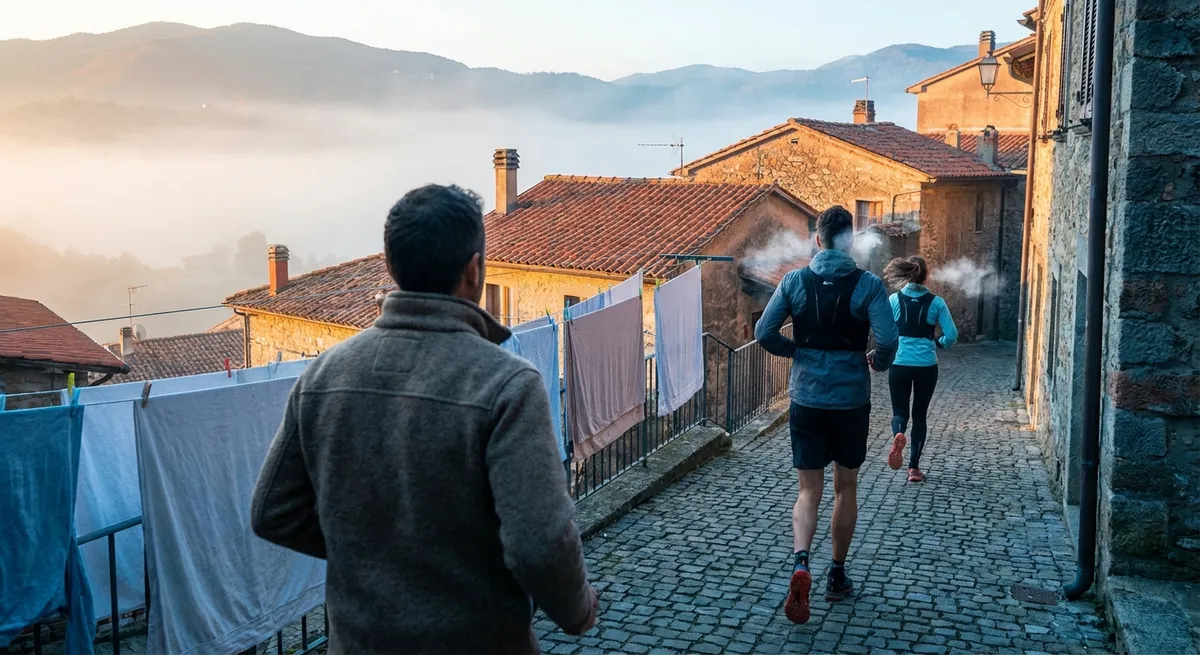
It’s sprinting along seaside promenades at sunrise in Nice, power hiking between misty tea plantations in Sri Lanka, or using city staircases in Lisbon as your leg day. The goal isn’t to hit a personal record on your deadlift; it’s to expand your comfort zone, build real-world strength, and collect stories your body remembers.
Unlike gym-centric routines, adventure fitness leans into environmental variety. Sand challenges your stabilizers. Altitude tests your lungs. Cobbled streets build ankle strength. Trail switchbacks teach you pacing and patience in a way a treadmill never will. This blend of exploration and exertion turns ordinary trips into immersive experiences—you’re not just seeing the landscape, you’re earning it.
And maybe the best part? Adventure fitness is scalable. Whether you’re a seasoned endurance athlete or just getting comfortable with movement, you can dial intensity up or down without losing the spirit of exploration.
Destinations That Call Your Muscles to Attention
Some places practically dare you to stay sedentary. They’re built for people who want to move, sweat, and stare at views that make every effort worth it.
Imagine waking up in:
- Queenstown, New Zealand – Often called the adventure capital of the world, with lakeside runs, mountain bike trails, bungee jumps, and ridge hikes that torch your legs and reward you with views over Lake Wakatipu.
- Chamonix, France – Nestled under Mont Blanc, this Alpine town is a paradise of trail runs, glacier hikes, and via ferrata routes. One day you’re climbing high above the valley; the next you’re power hiking through wildflower meadows.
- Cape Town, South Africa – Table Mountain’s steep trails double as brutal hill workouts, while the Atlantic coastline invites sunrise runs along Sea Point Promenade and ocean swims that shock you awake.
- Cusco & the Sacred Valley, Peru – Ancient Inca staircases, high-altitude day hikes, and multi-day treks like the Salkantay or Inca Trail blend endurance, strength, and altitude adaptation into one epic chapter.
- Vancouver, Canada – Forested switchbacks like the Grouse Grind, seawall bike rides around Stanley Park, and nearby mountains for trail running, snowshoeing, or ski fitness make it a year-round playground.
These places don’t just host your trip—they shape your training. Each terrain, climate, and altitude layer new dimensions onto your fitness, pushing you beyond predictable reps and sets.
5 Active Travel Tips for the Fitness-Obsessed Explorer
You don’t need a fully packed gym bag to stay strong on the road. You just need intention, curiosity, and a willingness to sweat where most people only sightsee.
1. Turn Your First Day Into a “Discovery Sweat”
Instead of collapsing into your hotel bed after arrival, use that first 30–45 minutes to move:
- Go for an easy run or brisk walk from your lodging, tracing a simple out-and-back route so you don’t get lost.
- Mix in landmarks as intervals—faster pace between bridges, plazas, or street corners.
- Use public spaces (parks, plazas, waterfronts) for 10–15 minutes of bodyweight moves: squats, lunges, push-ups on benches, step-ups on low walls.
This light “arrival workout” fights jet lag, helps reset your circadian rhythm, and lets you map the area on foot so you start feeling like a participant, not just a passerby.
2. Pick One “Anchor Challenge” Per Destination
Give each destination a signature physical challenge that becomes the story you tell when you get home.
Examples:
- In Kyoto, tackle a sunrise climb through the endless red gates of Fushimi Inari Shrine, using the stair sections as natural intervals.
- In Rio de Janeiro, hike up to Christ the Redeemer or take on the trail to Pedra Bonita for a lung-burning climb and sweeping coastal views.
- In Innsbruck, Austria, choose a steep cable-car-accessible summit and hike a portion from mid-station to top, treating it as your alpine threshold workout.
Your anchor challenge should feel a little intimidating but achievable with effort. Train around it—lighter days before, a celebratory recovery day after. This makes your fitness journey central to the trip instead of an afterthought.
3. Swap Transit for Human Power Whenever Safe
Movement becomes automatic when you build it into your logistics:
- Walk or run-commute to attractions within 2–5 km instead of taking a taxi, when the route is safe and accessible.
- Rent a bike in cities with bike-friendly infrastructure—Amsterdam, Copenhagen, Montreal, Berlin, and Portland are perfect examples.
- On island or coastal trips, look for kayak or stand-up paddleboard rentals to explore short distances instead of hopping on a boat tour.
You’re not just burning calories—you’re absorbing the rhythm of the place: vendors setting up stalls, locals commuting, kids walking to school. Your heart rate rises, and so does your connection to the culture.
4. Carry a “Micro-Gym” and a Simple Daily Ritual
You can build serious, functional strength with almost nothing:
Pack:
- A light resistance band or two (for rows, pulls, glute activation)
- A compact jump rope (for short, intense cardio bursts)
- Your own bodyweight (always in your luggage)
- 3 rounds of:
- 15 squats
- 10–15 push-ups (incline on bed/bench if needed)
- 12 lunges per leg
- 20–30 seconds of jump rope or fast high-knees
- 12–15 band rows (anchored on a sturdy fixture)
Create a 15–20 minute daily ritual you can do anywhere:
Slot this in first thing in the morning or right before your shower at day’s end. This ritual keeps your muscles “online,” so the hiking, cycling, and city wandering feel easier—and you’re less injury-prone for those big adventure days.
5. Train With the Elements, Not Against Them
Each destination offers environmental “coaches” that will push you in ways indoor training never can:
- Altitude (e.g., La Paz, Cusco, Denver): Accept slower paces, shorten intervals, and give your lungs time to adapt. Use gentle hikes and easy runs as “breathing practice” instead of chasing speed.
- Heat and humidity (e.g., Bangkok, Bali, Dubai): Shift harder efforts to early mornings or evenings, hydrate aggressively, and embrace shorter, more frequent sessions.
- Sand and soft terrain (e.g., coastal Morocco, Canary Islands, Hawaiian beaches): Train barefoot or in minimalist shoes for short sessions—short sprints, lunges, and walks on sand can build calves and stabilizers.
- Cold (e.g., Iceland, Norway, Patagonia): Layer smartly and use brisk walks, snowshoeing, or cross-country skiing as full-body cardio that keeps you warm from the inside out.
Instead of complaining about the climate, ask: How can this place make me stronger? Let the environment design part of your workout.
Training for Adventure Before You Board the Plane
The more prepared your body is before departure, the more you can say “yes” on the road. Yes to the extra summit. Yes to the detour trail. Yes to one more climb when the view might just be unforgettable.
In the 4–8 weeks before a big trip:
- Build aerobic endurance with longer walks, runs, or cycles so that full days on your feet feel fun, not punishing.
- Add single-leg strength work—step-ups, split squats, single-leg deadlifts—to prepare for uneven terrain and endless stairs.
- Train hiking-specific strength by climbing stairs or walking inclines with a loaded backpack.
- Practice recovery habits you’ll use on the road: stretching, foam rolling (or using a tennis ball), and short breathwork sessions to unwind.
When you treat your trip like an event to train for—not just a break from real life—you arrive ready to unlock every adventure that crosses your path.
Conclusion
Adventure fitness is the antidote to coming home from vacation feeling like you need another vacation. It turns your body into your favorite piece of travel gear and every destination into a chapter of your training story. You’re not chasing perfection; you’re chasing presence—lungs burning on a mountain ridge, legs buzzing after a citywide walking day, heart full as you watch the sunset from a place you earned with your own effort.
Pack your curiosity. Pack just enough gear to move well. Then let the world shape you—one trail, stairway, shoreline, and skyline at a time.
Sources
- CDC – Travel Health: Staying Healthy While You Travel - Practical guidance on staying healthy and active during international travel
- Harvard T.H. Chan School of Public Health – Physical Activity and Health - Overview of the benefits of regular physical activity relevant to active travel
- American Heart Association – Recommendations for Physical Activity in Adults - Baseline exercise guidelines to help structure adventure fitness routines
- ACSM – Staying Active While Traveling - Tips and strategies for maintaining fitness on the road from the American College of Sports Medicine
- U.S. National Park Service – Hiking Safety Tips - Evidence-based safety advice for outdoor and trail-based adventures