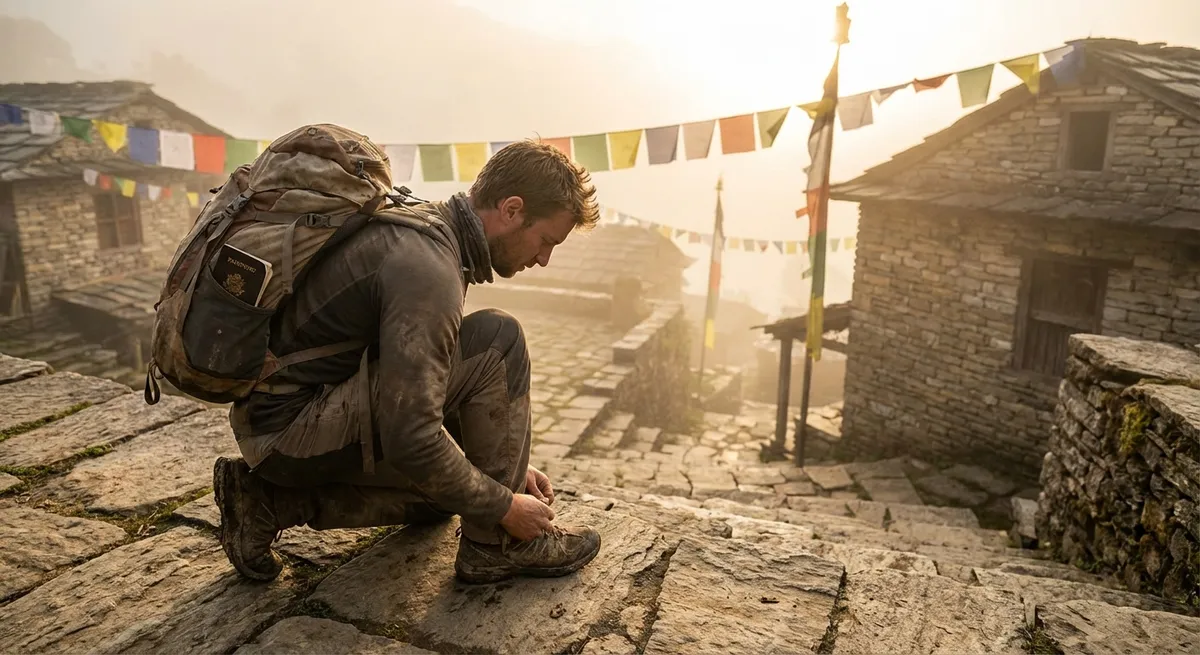
Why Active Travel Feels Like A Superpower
Active travel flips the script on traditional tourism. Instead of watching the world through a bus window, you feel it under your feet, in your quads, in your breath. Moving through a place—hiking, cycling, paddling, running—pulls you into its textures: the cobblestones of old European lanes, the heat radiating off volcanic trails, the cool bite of alpine air as you crest a pass.
Science backs the magic. Regular physical activity boosts mood, sharpens focus, and improves sleep—three things that can make travel richer and more memorable. Add in exposure to new environments, cultures, and landscapes, and you’ve got a potent cocktail for long-lasting well‑being. Active trips can also help beat jet lag faster, keep your immune system robust on the road, and anchor your days with a sense of purpose that goes beyond “see, snap, move on.”
Most importantly, active travel rewires how you measure a “good trip.” It’s no longer about how many sights you saw, but how fully you met each one—with lungs heaving, legs pumping, and senses blazing.
Choose Destinations That Invite You To Move
Some places practically dare you to stay active. When you choose destinations that are built around trails, water, and wild terrain, your daily step count doesn’t need an app to tell you you’re crushing it—it’s baked into the experience.
Imagine:
- Dolomites, Italy: Jagged limestone peaks stitched together by via ferrata routes and alpine hiking trails, where every ascent ends in a rifugio serving hearty mountain meals that you actually earned.
- Queenstown, New Zealand: A playground of bungee jumps, lakeside runs, canyon swings, mountain bike trails, and ridge hikes, all framed by snow-capped peaks.
- Patagonia, Chile & Argentina: Long-distance treks like the W or O circuits in Torres del Paine with glacial lakes, roaring winds, and granite towers demanding stamina and grit.
- Madeira, Portugal: Ocean-view ridge hikes, levada walks along ancient irrigation channels, and coastal trail runs that weave between cliffs and jungle-green valleys.
- Kyoto, Japan: Temple-to-temple running routes, wooded shrine stair climbs, and bike paths along the Kamo River that turn cultural immersion into an elegant sweat session.
When planning, look for cities with extensive bike lanes, coastal towns with boardwalks and trails, mountain regions with established hut systems, or islands with SUP, surf, or kayak access. Build your itinerary around movement first, and let the food, culture, and views be the reward for each day’s effort.
Five Active Travel Tips For Fitness-Hungry Explorers
These five tips will help you squeeze every drop of adventure—and performance—out of your next active escape.
1. Pack A “Micro-Gym” You Can Carry Anywhere
You don’t need a trunk full of gear to train like a pro on the road. A minimalist “micro-gym” keeps your performance high without weighing you down.
Prioritize:
- Resistance bands (one light, one heavy): For glute activation before hikes, upper‑body pulls after long travel days, and quick strength circuits in tiny hostel rooms or hotel corners.
- Lightweight jump rope: Perfect for quick, high-intensity warm‑ups before hitting a trail or for getting your heart rate up when the weather turns foul.
- Compression socks or sleeves: To support recovery on long flights or overnight bus rides.
- Mini massage ball or lacrosse ball: For rolling out calves after city marathons or loosening hip flexors post-flight.
With this micro-gym, you can build a 10–20 minute daily ritual—glute bridges, band walks, push-ups, planks, and mobility flows—that keeps your body durable enough for spontaneous adventures: surprise mountain detours, extra surf sessions, or one more lap around that shimmering crater lake.
2. Use “Transit Days” As Secret Recovery Training
Travel days don’t have to be wasted days. Think of them as stealth recovery blocks that fuel the next big push.
On long flights or trains:
- Walk the aisle every 60–90 minutes when possible.
- Do simple ankle pumps, calf raises, and seated hip stretches.
- Hydrate like it’s your job—aim for steady sipping instead of guzzling.
Once you land, resist the urge to collapse immediately. Instead, do a 20-minute “reset”:
- 5 minutes of easy walking outside.
- 5 minutes of dynamic mobility (leg swings, arm circles, hip circles).
- 5 minutes of light bodyweight strength (air squats, wall push-ups, band rows).
- 5 minutes of gentle stretching focused on hips, hamstrings, and chest.
This gentle activation tells your body: “We’re here to explore, not to hibernate,” helping you shake out stiffness, align your posture, and adapt faster to your new environment. It’s the difference between trudging through your first day and actually having juice to climb that lookout hill for sunset.
3. Turn Every City Into Your Personal Movement Playground
Urban destinations can be just as active as mountain towns if you approach them like a giant, open-air training ground.
Ideas to weave into your days:
- Stair hunts: Seek out cathedral steps, hillside viewpoints, fortress walls, or subway exits with long staircases. Use them for short stair sprints, step‑ups, or calf raises while soaking in epic views.
- Run the river, coast, or old town walls: Many cities have waterfront promenades or historic wall circuits that make perfect low‑traffic running routes at dawn.
- Walk the “long way”: Skip short taxis when it’s safe to walk. Map out zigzag routes that connect markets, street art districts, and parks. Challenge yourself to hit 20,000+ steps on at least a couple of days.
- Park strength circuits: Use benches for push-ups, triceps dips, and step-ups; railings for inverted rows; open lawns for lunges, bear crawls, and core work.
In places like Barcelona, Vancouver, Cape Town, Singapore, or Copenhagen, you can flow from ocean to park to hill to harbor in a single, movement-rich day—your “sightseeing” just happens to double as a full-body workout.
4. Anchor Your Days With One Non-Negotiable Move
Active travel can quickly become overwhelming when you try to do it all: sunrise runs, long hikes, city walks, and maybe a surf session. To avoid burnout, choose one “non‑negotiable” movement ritual that grounds each day.
Your anchor might be:
- A sunrise walk or jog from your accommodation to a favorite lookout spot.
- A 10-minute bodyweight strength sequence every evening before showering.
- A mobility flow—hips, hamstrings, shoulders—whenever you get back to your room.
- A cold-water dip in the sea, river, or lake where it’s safe and accessible, paired with deep breathing.
This daily ritual becomes your portable training identity. No matter how chaotic your schedule, no matter how tempting that late-night gelato crawl, you’ll know you honored your active self. Anchor sessions are also a great way to test local terrain—maybe you start with an easy morning jog and discover a trail that becomes the highlight of your trip.
5. Train For The Terrain—Before Your Boarding Pass Prints
The best active adventures start months before you zip your suitcase. Tailor your pre-trip training to echo the terrain you’re chasing.
Heading to:
- High-altitude treks (Peru, Nepal, Colorado): Focus on heavy step-ups, hill repeats, brisk hiking with a loaded pack, and longer zone-2 cardio sessions to build endurance. Add some stair climbing with your actual travel backpack.
- Cycling trips (Tuscany, Girona, the Dolomites): Log longer rides at varied intensities, sprinkle in hill climbs, and build core strength to protect your back. Don’t neglect upper body work for better control on descents.
- Surf or paddle escapes (Costa Rica, Bali, Baja): Train shoulder stability, paddling endurance (swimming or rowing), and explosive pop-ups with burpees and power lunges.
- Trail runs (Madeira, Chamonix, Canary Islands): Practice running downhill, build ankle stability through trail time, and work on strength moves like single-leg Romanian deadlifts and lateral hops.
By mirroring your destination’s demands at home, you turn “surviving” the trip into thriving in it. You’ll have enough capacity not just to complete that multiday trek—but to add a side peak, take the longer scenic route, or race the storm to the hut and still have energy left to stay up stargazing.
Fuel, Rest, and Recovery: The Hidden Engines of Adventure
The fiercest active travelers aren’t the ones who push nonstop; they’re the ones who refuel and repair with intention. On the road, that often means tuning into your body more carefully than you do at home.
When you’re clocking big days:
- Eat for performance, not just novelty: Enjoy local flavors, but make sure each meal includes a quality protein source, slow-burning carbs (like whole grains or starchy veg), and some healthy fats. Street food and performance can coexist if you’re strategic.
- Hydrate like an athlete: Hot climates, high altitudes, and long days outside can drain you. Carry a reusable bottle, consider electrolyte tabs, and use thirst and urine color as simple gauges.
- Guard your sleep: Earplugs, an eye mask, and a simple pre-bed stretch and breath routine can turn noisy hostels, city centers, or overnight buses into half-decent recovery chambers.
- Schedule “soft” days: Mix intense days (long hikes, big rides) with lighter ones (easy city walks, gentle swims, yoga by the water). Regeneration keeps your adventure engine purring.
Think of your body as your most important piece of travel gear. You’d never neglect your bike chain or your hiking boots—and your muscles, joints, and nervous system deserve at least that much care.
Conclusion
Active travel is the art of letting landscapes shape you as much as you move through them. It’s your quadriceps screaming on a glacial pass in Patagonia, your heart thudding on Lisbon’s hills, your lungs settling into a new rhythm somewhere above the clouds in Nepal or under the salt spray of a Pacific swell. With a packed micro‑gym, terrain-specific training, purposeful recovery, and a mindset that views every street, trail, and shoreline as an invitation, you’re not just collecting passport stamps—you’re collecting personal evolutions.
The world doesn’t need you to travel perfectly. It just needs you to show up ready to move, to sweat, to breathe hard, and to let each destination leave its mark on your strength. Lace up, look at the map, and choose the next place that will challenge you to become a little braver, a little fitter, and a lot more alive.
Sources
- World Health Organization – Physical Activity and Health - Overview of the health benefits of regular physical activity, relevant to active travel.
- Centers for Disease Control and Prevention – Travel Health - Guidance on staying healthy while traveling, including hydration and recovery considerations.
- Harvard T.H. Chan School of Public Health – Exercise and Health - Evidence-based insights on how exercise supports long-term health and performance.
- U.S. National Park Service – Hiking Tips - Practical safety and preparation advice for hiking and trekking adventures.
- New Zealand Department of Conservation – Great Walks - Example of destination-specific active travel opportunities and planning information.