What Adventure Fitness Really Means
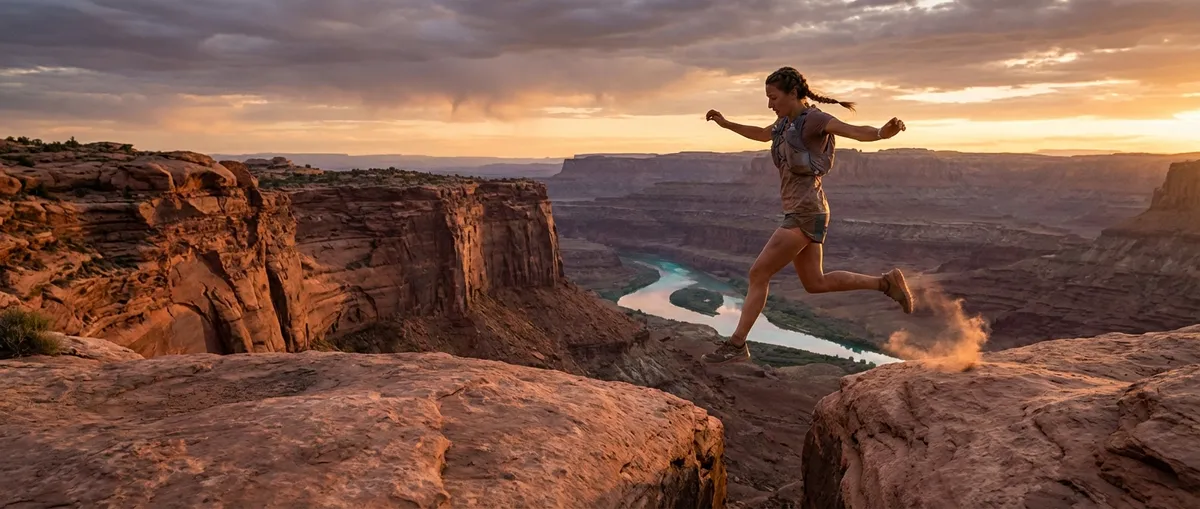
Adventure fitness is not just “staying fit while traveling.” It’s a philosophy: you don’t pause your training for the journey—you evolve it through the journey.
Instead of squeezing in a treadmill session before sightseeing, you weave strength, endurance, and mobility into the landscapes you explore. Your warm-up might be jogging through quiet streets as a city wakes up. Your strength work may come from hauling a backpack up volcanic trails or paddling across glassy water at dawn. Recovery becomes a sunset stretch on a rooftop in Marrakech or a slow walk through Kyoto’s temple districts.
The reward isn’t only a stronger body; it’s a deeper connection to place. You feel altitude in your lungs in Cusco. You understand coastal wind by running Iceland’s black sand beaches. Every rep and every step tells you something about the environment, and in return, the environment reshapes your resilience.
Destination Highlights: Where the World Becomes Your Gym
Some destinations feel purpose‑built for training with a one‑way ticket to awe. Here are a few that turn effort into pure adventure:
1. Queenstown, New Zealand – The Adrenaline Playground
Ringed by jagged mountains and an ice‑blue lake, Queenstown lets you build a week around action: trail runs on the Ben Lomond Track, mountain biking in the Skyline Bike Park, paddleboarding on Lake Wakatipu, and heart‑pounding bungee jumps that test your mental toughness as much as your leg strength.
2. Interlaken, Switzerland – Vertical Dreams in Every Direction
Between Lake Thun and Lake Brienz, you’ll find paragliding launches, via ferrata routes clinging to cliffs, and high‑altitude hikes that double as powerful cardio sessions. The elevation challenges your lungs, while the terrain demands balance, focus, and leg power.
3. Chiang Mai, Thailand – Heat, Hills, and Mindful Movement
Rise early to climb the stairs to Wat Phra That Doi Suthep, run through leafy neighborhoods, or bike into nearby mountains. Afternoon heat encourages you to recover with yoga, Thai massage, and nourishing street food—an ideal balance between intensity and restoration.
4. Patagonia, Chile & Argentina – Glacier‑Powered Grit
Long trekking days through Torres del Paine or Los Glaciares National Park demand strength, endurance, and mental stamina. Heavy packs, unpredictable winds, and rugged trails transform every hiking day into a full‑body training session with glacier views as your reward.
5. Cape Town, South Africa – Ocean, Cliffs, and City Energy
Trail run up Lion’s Head, hike Table Mountain’s stone staircases, surf at Muizenberg, and finish with a beach workout on Camps Bay’s sand. Cape Town’s mix of sea, rock, and urban energy turns cross‑training into a sightseeing tour with a pulse.
Wherever you go, you can design your days so that your best memories and your best workouts are the same thing.
5 Active Travel Tips for Fitness‑Hungry Adventurers
These five tips will help you land in any destination ready to move hard, recover smart, and savor every active moment.
1. Pack a “Micro‑Gym” That Fits in Your Daypack
You don’t need iron plates when you have gravity, momentum, and a few clever tools. Build a micro‑gym that weighs less than a pair of shoes but unlocks dozens of workout options.
Consider packing:
- A light resistance band or two (loop and long band)
- A compact suspension trainer or strong yoga strap
- A jump rope (ideal for small spaces and quick HIIT)
- A travel‑size massage ball for recovery
With these, a balcony, a park bench, or a hostel courtyard becomes your training ground. In Lisbon, loop your band around a railing for rows overlooking tiled rooftops. In Vancouver’s Stanley Park, anchor your suspension trainer to a sturdy tree for full‑body strength while towering cedars watch.
Pro tip: Before you leave, program three “go‑to” 20‑minute workouts (strength, cardio, mobility) using only your micro‑gym gear. That way, jet lag and decision fatigue can’t derail you.
2. Turn Transit Days Into Mobility Missions
Long flights, bus rides, and train journeys are stealthy enemies of performance. Tight hips and stiff backs steal power from your runs, your hikes, and even your paddling strokes.
Instead of writing transit days off, claim them as mobility missions:
- At airports, walk loops between gates and use walls for calf stretches and hip flexor stretches.
- On trains, set a timer to stand every 30–45 minutes, walking between cars if possible.
- In your seat, cycle through ankle circles, seated figure‑four stretches, and gentle spinal twists.
When you finally arrive in Lima, Tokyo, or Reykjavik, your body will be primed to move, not locked up from 12 hours of sitting. Your first run along the waterfront or through neon streets will feel like freedom, not rehab.
3. Build Your Itinerary Around One “Hero Movement” Per Destination
Give every place you visit a signature physical challenge—a “hero movement” that defines your time there and sharpens your focus.
Examples:
- Athens, Greece: Repeated hill sprints up the paths around Filopappou Hill with the Acropolis in view.
- Banff, Canada: A challenging summit hike like Mount Rundle or Cascade Mountain, with progressive training runs building up to it.
- Kyoto, Japan: Sunrise stair training at temple complexes, finishing with quiet walking meditations through moss‑covered gardens.
- Rio de Janeiro, Brazil: Daily beach runs on Copacabana or Ipanema with bodyweight circuits in the free public workout stations.
Design your days so that everything builds toward that movement—shorter conditioning sessions, recovery walks, and sleep. When you finally complete it, you’re not just ticking off a landmark. You’re finishing a micro‑chapter of your training story.
4. Eat Like an Athlete, Explore Like a Local
Adventure fitness demands fuel, not restriction. The goal isn’t to dodge every pastry or street snack, but to anchor your exploration with performance‑friendly choices—so you can surf longer, climb higher, and hike farther.
Tactical ways to do it:
- Front‑load protein: Prioritize eggs, yogurt, beans, tofu, or local fish at breakfast so your muscles stay fed all day.
- Shop markets: Grab fruit, nuts, and local specialties from markets in places like Barcelona’s La Boqueria or Chiang Mai’s night markets to build simple “trail packs.”
- Time your indulgences: Plan heavier, more decadent meals after big training days or long hikes when your body is primed to use that energy.
- Hydrate with intent: Carry a collapsible bottle and refill constantly, especially at altitude in places like La Paz or Cusco or in tropical heat across Southeast Asia.
You’ll still savor gelato in Rome, pad thai in Bangkok, and empanadas in Buenos Aires—but in a way that fuels tomorrow’s climb rather than sabotaging it.
5. Treat Recovery as an Adventure, Not an Afterthought
Your next summit, dive, or long run is built on how well you recover today. The good news: many of the world’s most captivating experiences are basically recovery disguised as magic.
Recovery‑as‑adventure ideas:
- Hot–cold therapy: Alternate between hot springs and cold rivers or plunge pools in places like Iceland, Japan, or New Zealand.
- Slow exploration days: Trade max‑effort workouts for long, easy walks through historic districts, museums, or coastal promenades.
- Local bodywork traditions: Experience Thai massage in Chiang Mai, hammams in Istanbul or Marrakech, or onsen bathing in Japan as both cultural immersion and deep recovery.
- Sunset stretching rituals: End your day with 15–20 minutes of gentle yoga facing a skyline or sea—Bondi Beach, Santorini cliffs, or the rooftops of Cartagena.
When you honor recovery, you create space for the next daring effort—whether that’s a multi‑pitch climb in Railay, a dawn surf in Bali, or a 20‑mile trek in the Dolomites.
Weaving Fitness Into Your Travel Identity
You don’t have to choose between being a traveler and being an athlete. You get to be both, all the time.
Adventure fitness isn’t about chasing perfection or rigid plans on the road. It’s about saying yes to the stairs instead of the elevator, yes to the extra kilometer along the river, yes to waking up a little earlier to watch the sun rise while your heart rate climbs. It’s the art of designing trips that leave you stronger, braver, and more alive than when you boarded the plane.
Let your next journey be more than a change of scenery. Let it be a new chapter in how you move, how you endure, and how boldly you step into the unknown.
Pack your micro‑gym. Choose your hero movement. Chase views that require effort. And roam strong—because the world is wide, and your body was built to explore it.
Sources
- Centers for Disease Control and Prevention – Physical Activity Basics – Overview of recommended activity levels and benefits, useful for planning active travel days
- American College of Sports Medicine – ACSM’s Guidelines for Exercise Testing and Prescription – Evidence‑based principles behind strength, cardio, and recovery that underpin adventure‑style training
- Harvard T.H. Chan School of Public Health – Healthy Eating Plate – Practical framework for fueling active days on the road
- Mayo Clinic – Stretching: Focus on Flexibility – Guidance on mobility work that supports long hikes, runs, and active itineraries
- U.S. National Park Service – Hiking Safety – Safety tips for turning wilderness destinations into challenging but safe adventure fitness experiences