Why Outdoor Workouts Hit Different When You’re Traveling
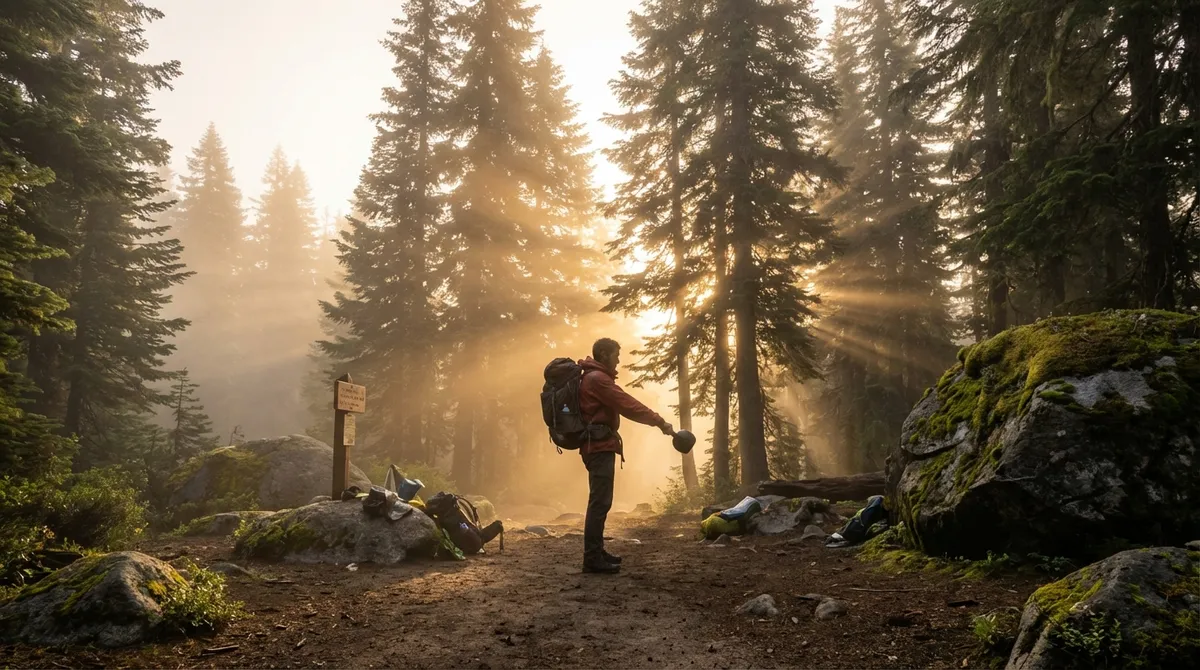
Outdoor workouts on the road do more than burn calories—they burn memories into your brain. Training in unfamiliar terrain forces your body and mind to adapt: new surfaces, unpredictable weather, different altitudes, and constantly changing scenery. That variety challenges your muscles in ways a hotel treadmill never will, while also lighting up your senses and sense of adventure.
There’s also a powerful psychological shift that happens when you move outside in a new place. Studies have shown that green and blue spaces—parks, forests, oceans—can improve mood, reduce stress, and boost motivation to keep moving. Layer that on top of the novelty of travel, and you’ve got a potent combo for staying consistent. Instead of seeing workouts as something you squeeze in, they become part of the adventure itself: a sunrise run to greet a new city, a mid-day stair session at an ancient fort, or a sunset mobility flow in a hidden courtyard.
When you treat the outdoors as your training partner, your rest days turn into exploration days, your “cardio” becomes city discovery, and your strength work becomes a way to earn every view, overlook, and cliffside café.
Destinations That Double as Natural Training Grounds
Some destinations practically beg you to work out in the open air. These aren’t just pretty backdrops—they’re places where the landscape itself shapes how you move.
In Cape Town, South Africa, Lion’s Head and Table Mountain turn hiking into vertical strength training. You’ll scramble, step, and climb your way up natural staircases of rock, building leg and core power while the Atlantic and city sprawl out beneath you. In Kyoto, Japan, temple-lined hills and long stone stairways offer a meditative kind of cardio; every step is both a workout and a slow immersion into an ancient city.
Head to Queenstown, New Zealand, and you’re in the self-proclaimed adventure capital of the world: lakeside runs, brutal but beautiful hill sprints, and bodyweight circuits by the water with snow-capped peaks watching you work. In Barcelona, Spain, the beachfront promenade is a ready-made running track, while the outdoor calisthenics parks near Barceloneta and along the coast let you turn the Mediterranean into your post-workout ice bath.
Even lesser-known spots can become legendary training memories. A windswept cliff walk on Ireland’s Wild Atlantic Way becomes a loaded-pack trek. A chaotic street market in Hanoi, Vietnam, becomes your agility drill as you dance through scooters and crowds. The point isn’t perfection—it’s participation. When the landscape changes, your training evolves with it.
5 Active Travel Tips for Fitness Adventurers
You don’t need a gym membership to stay strong on the road—you need a strategy and a willingness to sweat where others only sightsee. These five tips keep your travel wild and your training dialed in.
1. Build a “Micro-Workout” Morning Ritual
Skip the hour-long gym fantasy and lock in a 10–15 minute micro-session you can do anywhere—rooftop, hostel courtyard, tiny Airbnb balcony, or even a quiet corner of a train station.
Try this travel-friendly circuit:
- 30 seconds squats
- 30 seconds push-ups (incline on a bench if needed)
- 30 seconds alternating reverse lunges
- 30 seconds plank
- Rest 60 seconds and repeat 3–4 times
This ritual anchors your day, spikes your energy, and keeps your baseline fitness solid even when flights are delayed and days run long. You may still add hikes, runs, or swims later, but if all else falls apart, you already “won the day” before breakfast.
2. Turn Transit Time Into Movement Missions
Travel days don’t have to be sedentary marathons. Treat them as stealth training sessions.
At airports, walk every escalator and moving walkway instead of riding it. In long terminals, set a step goal before boarding—say, 2,000–3,000 steps between check-in and gate. During layovers, find a quiet corner for walking lunges, calf raises, or wall sits. On trains, stand up every 30–45 minutes to do ankle circles, hip openers, and shoulder rolls in the aisle.
Your goal: arrive at each destination feeling charged, not stiff and sluggish. Think of it as “travel mobility training”—you’re not chasing a PR, you’re preserving the performance you’ll need for the real adventures once you land.
3. Make Landmarks Your Workout Partners
Every city has iconic spots. Instead of just photographing them, train with them.
At a riverside promenade, use park benches for step-ups, incline push-ups, and triceps dips. In plazas and town squares, use open space for walking lunges, lateral shuffles, or short sprint intervals (respecting crowds and local etiquette). Long staircases leading to viewpoints or monuments are perfect for repeat climbs—power up them as intervals, then walk back down as recovery while you soak in the view.
Examples:
- Paris: run or walk intervals along the Seine, then use the stone steps leading to the riverbanks for stair conditioning.
- Rio de Janeiro: combine a sunrise run along Copacabana or Ipanema with bodyweight circuits in the public fitness areas scattered along the beach.
- Athens: use the hills and streets around the Acropolis for hill repeats and brisk climbs, turning history into elevation training.
You end the day with more than photos—you leave with a story your legs will remember.
4. Pack a “Pocket Gym” for Any Landscape
You don’t need heavy gear to train heavy. A minimalist kit keeps you ready for anything from glacier viewpoints to jungle clearings.
Consider packing:
- A light resistance band or mini-band for rows, pull-aparts, hip work, and glute activation
- A compact jump rope for high-intensity cardio in alleys, courtyards, and rooftops
- A collapsible water bottle that doubles as a light weight when filled
- A small microfiber towel to use as a mat substitute on grass, sand, or pavement
With just these tools, you can program full-body strength and conditioning: band rows against a tree, squats and lunges using your backpack for load, jump rope intervals for conditioning, and banded glute bridges or monster walks to offset all that travel sitting. Your training becomes as portable as your passport.
5. Sync Your Workouts with the Natural Rhythm of the Place
The best outdoor sessions don’t fight the environment—they flow with it. Let the local climate, culture, and terrain steer your training choices.
In hot, humid destinations like Bali or Thailand, aim for sunrise or post-sunset workouts, using mid-day for swimming or shaded walks. In high-altitude spots like Cusco or La Paz, ease in with gentler walks and mobility for the first few days while your body acclimates, then gradually add higher-effort hikes or runs. Oceanfront destinations beg for swim intervals, sand sprints, and barefoot walks to strengthen feet and ankles.
You can even mirror local movement culture. In Seoul, you’ll find people doing calisthenics in parks at dawn; join them. In European cities where cycling is common, rent a bike and turn your sightseeing into low-impact cardio. When you match your training to the rhythm of the place, your workouts feel like participation, not interruption.
How to Stay Safe, Energized, and Ready to Explore
Adventure is only fun if you’re healthy enough to enjoy it. Outdoor workouts on the road demand a layer of awareness that a climate-controlled gym doesn’t.
Hydration becomes non-negotiable, especially in hot or high-altitude environments. Carry water on longer sessions and drink before you feel thirsty. Wear layers in cooler climates so you can adjust as your body warms up. On trails, stick to marked paths, check local safety recommendations, and let someone know your route if you’re heading out solo.
If you’re crossing time zones, start with shorter, lower-intensity sessions until your sleep normalizes. Respect how your body responds to jet lag, new foods, and different levels of air pollution in big cities. It’s also wise to build rest into your itinerary—use gentle walks, easy bike rides, or light mobility sessions as recovery days instead of always pushing hard.
You’re not trying to win a race; you’re building a lifestyle where your body can carry you boldly through temples, markets, summits, and seas for years to come.
Conclusion
Your fittest self doesn’t live in a single gym, city, or routine—it lives in your willingness to move wherever your passport takes you. When you treat every destination as both playground and training ground, your workouts stop being a chore and start becoming chapters in your travel story.
Run where the locals run. Climb what the city offers. Swim where the shoreline calls. Carry your strength through airports, mountain passes, side streets, and coastlines. The world is vast, and your body was built to explore it—not just to arrive, but to roam strong.
Sources
- Centers for Disease Control and Prevention – Physical Activity Basics - Overview of health benefits of regular physical activity, including outdoor movement
- Harvard T.H. Chan School of Public Health – Green Spaces and Health - Explores how parks, forests, and nature exposure impact mental and physical well-being
- American Council on Exercise – Outdoor Workouts - Details specific benefits and considerations of exercising outside
- National Park Service – Hiking Safety - Practical safety tips for hiking and trail-based workouts in natural areas
- World Health Organization – Physical Activity Fact Sheet - Global recommendations and data on physical activity levels and health outcomes