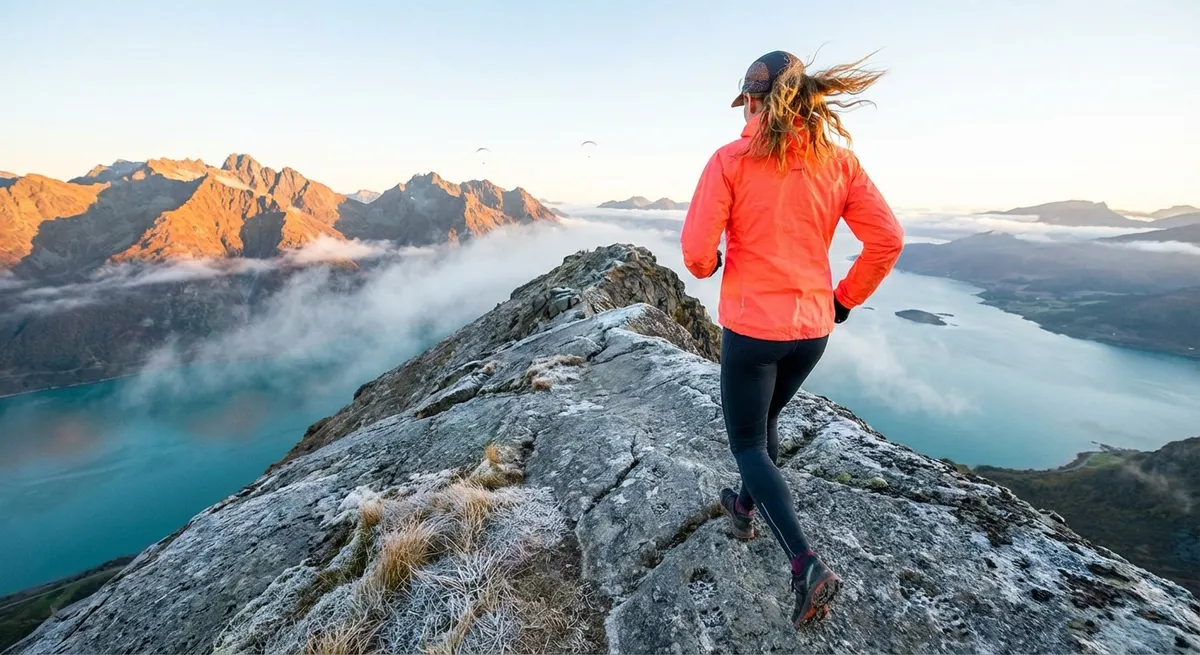
Where Adventure and Training Collide
Some destinations feel like they were designed for athletes with passports permanently half-packed. Think of them as living, breathing playgrounds that test your lungs, legs, and mindset.
In Queenstown, New Zealand, trail networks weave from shoreline to summit, letting you stack hill sprints onto a hike and end with a cold plunge in Lake Wakatipu. In Chamonix, France, you can alternate between steep trekking paths, glacier views, and stair-climbing marathons through old alpine villages that turn your quads to jelly—in the best way.
Head to Cape Town, South Africa, and you’ll find a full-body training circuit hiding in plain sight: trail runs up Lion’s Head, stair-powered ascents on Table Mountain, and wave-battling surf sessions in Muizenberg. Meanwhile, Vancouver, Canada, serves up a fusion of coastal cycling, rainforest trail running, and mountain ascents like the Grouse Grind—a short, brutal climb that will humble even seasoned gym-goers.
These places aren’t just scenic backdrops. The terrain, elevation, and weather all shape how you move, breathe, and recover. Instead of repeating the same treadmill session, you’re adapting to rock, sand, ice, and altitude—teaching your body versatility and resilience.
Destination Highlights for the Fitness-Driven Traveler
If your ideal trip reads like an endurance event with better views, target destinations that naturally reward movement. Here are a few to spark your next itinerary:
1. Interlaken, Switzerland – The Adrenaline Valley
Cradled between lakes Thun and Brienz and surrounded by towering peaks, Interlaken is a launchpad for everything from trail running to canyoning. Morning trail runs along lakeside paths can roll into paragliding sessions and finish with a steep hike up to vantage points over the Jungfrau region. The constant elevation change turns every outing into a lower-body power day.
2. Patagonia (Chile & Argentina) – The Wilderness Endurance Lab
In Torres del Paine and Los Glaciares National Parks, the wind can become your training partner and your nemesis. Multi-hour treks under a loaded pack test core strength and stability, while uneven routes sharpen balance and proprioception. The payoff: granite towers, sweeping ice fields, and the rare feeling that you’ve truly earned the view.
3. The Azores, Portugal – Ocean Meets Volcano
These mid-Atlantic islands are a cross-training dream: trail runs around crater lakes, open-water swims in sheltered coves, and bike rides along rolling volcanic ridges. Natural thermal pools offer a built-in recovery spa, while the wet, hilly terrain builds stamina and leg strength without the monotony of structured intervals.
4. Kyoto & Surrounding Mountains, Japan – Mindful Movement
The forested hills around Kyoto hide a network of shrines, stone staircases, and narrow paths that double as cardio sessions. Long, meditative hikes to temples like Kiyomizu-dera or Fushimi Inari’s endless tori gates give you both elevation gain and cultural immersion. Your “rest breaks” are panoramic overlooks and centuries-old architecture.
5. Banff & Lake Louise, Canada – Altitude-Powered Conditioning
Train at elevation without sacrificing scenery. Mountain trails, glacial lakes, and steep switchbacks turn simple hikes into VO₂-boosting efforts. Paddleboarding on turquoise water challenges core stability, while winter months deliver cross-country skiing and snowshoeing for low-impact, high-output sessions.
Every destination you choose can serve a purpose: build power, increase endurance, develop mental toughness, or unlock recovery habits you’ll carry home.
5 Active Travel Tips for Fitness Adventurers
You don’t need a military-grade training plan to turn your trip into a performance booster. You do need intention, curiosity, and a willingness to sweat where others sit. These five tips keep you moving hard and smart, wherever your stamp-filled passport takes you.
1. Program Your Trip Like a Training Block
Treat your itinerary like a flexible, adventure-based training cycle instead of random workouts on random days. Decide on a focus—endurance, strength, or speed—and let the destination shape how you train it.
- Endurance focus? Stack longer hikes, bike tours, and coastal runs on consecutive days.
- Strength emphasis? Seek out stair-heavy cities (Lisbon, Valparaíso, Hong Kong), steep mountain climbs, or sand dunes that demand power with every step.
- Speed and performance? Short, sharp hill sprints, beach intervals, or tempo runs along river paths deliver intensity without heavy equipment.
Think in “waves”: a harder day followed by a lighter one—like a scenic bike ride, yoga, or an easy walk exploring markets—so you arrive home fitter, not fried.
2. Turn Local Terrain Into Your Training Gear
The world is full of built-in equipment if you know how to look.
- Stairs at viewpoints and monuments become your leg-day finisher.
- Driftwood, rocks, or park benches stand in for dumbbells and boxes.
- Boardwalk railings and playgrounds welcome push-ups, rows, dips, and hangs.
- Soft sand turns any run or circuit into a resistance workout, sparing your joints and smoking your calves.
Before you travel, scout maps and street views: note where there are waterfront promenades, long staircases, public parks, and hills. You’re not just planning sightseeing—you’re identifying your “gym” for the week.
3. Anchor Movement to Sunrise and Sunset
Travel days are chaotic; your schedule won’t be perfect. Anchor your training to something that won’t change: the sun.
A short sunrise session—20–30 minutes of running, mobility, or bodyweight strength—sets your energy and mood before the day’s logistics kick in. Sunset movement can be a calming, lower-intensity walk, paddle, or gentle jog that helps you unwind and sync with the local time zone.
Bonus: sunrise and sunset are often the safest, coolest, and least crowded times to move in many destinations. You’ll see places most tourists sleep through.
4. Eat and Hydrate Like You’re Fueling an Expedition
Active travel isn’t the time to under-fuel and hope your enthusiasm will carry you. Your output spikes; your nutrition needs to keep pace.
- Prioritize protein at every meal to support muscle repair—seek local staples like grilled fish, lentil stews, tofu, beans, eggs, or yogurts.
- Carry portable, nutrient-dense snacks: nuts, dried fruit, jerky, or local energy bars for long transit days and back-to-back hikes.
- Hydrate aggressively, especially at altitude or in humid climates; aim to sip steadily rather than chug occasionally.
- Use local, minimally processed foods when you can—fresh produce at markets, regional whole grains, and local specialties that give you both calories and culture.
Think like a mountaineer: you’re not just sampling the cuisine; you’re provisioning for adventure.
5. Train Your Curiosity as Hard as Your Muscles
The most powerful “muscle” you’ll build on fitness-focused travel is your willingness to try new modes of movement.
Say yes to the surf lesson, the dance class in a city square, the sunrise kayak tour, or the community run group you spot in a park. Rent the bike. Sign up for the climbing session. Learn a regional sport or game. Movement becomes a bridge to the local culture—you’re not just observing a place; you’re participating in how people actually live there.
This mindset keeps your training fun, sustainable, and endlessly adaptable. When you’re home, a treadmill will never feel like your only option again.
Conclusion
Fitness doesn’t have to live inside four walls, and adventure doesn’t have to derail your goals. The planet is rich with landscapes that test your lungs, sculpt your muscles, and rewire what you believe you can do. When you choose destinations that demand movement—and you arrive ready to sweat—you’re not just collecting passport stamps. You’re carving out a stronger, braver version of yourself in every time zone.
Pack your shoes, your curiosity, and a plan flexible enough to bend with the journey. Then let the world do what it does best: challenge you, change you, and send you home stronger than you left.
Sources
- Centers for Disease Control and Prevention – Physical Activity Basics - Overview of recommended activity levels and health benefits, useful for planning active travel days
- American College of Sports Medicine – Hydration Guidelines - Evidence-based guidance on fluid intake for active individuals, especially relevant for training in hot or high-altitude destinations
- Harvard T.H. Chan School of Public Health – Healthy Eating Plate - Practical framework for building balanced meals, helpful when navigating food choices abroad
- World Health Organization – Physical Activity - Global perspective on the importance of movement and guidelines for adults
- Adventure Travel Trade Association – Adventure Tourism Market Study - Insights into the growth of adventure and active travel, showing how fitness-forward trips fit into broader travel trends