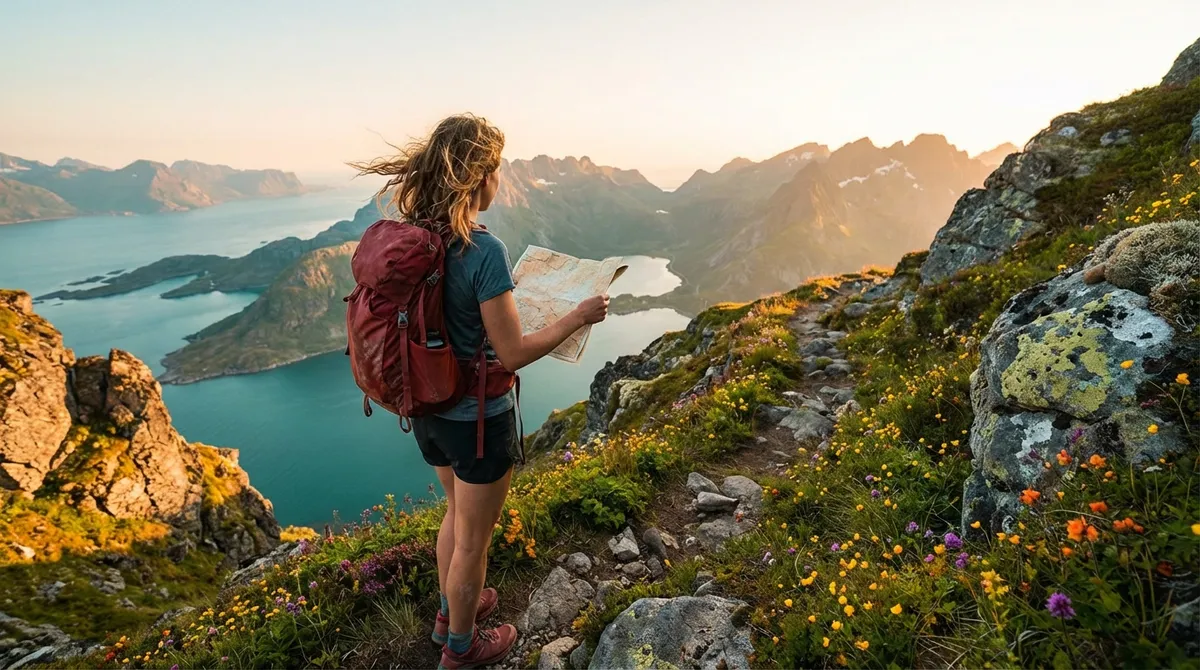
Where the Map Meets Your Muscles
Fitness destinations aren’t just “pretty places to jog.” They’re environments that push your body in ways you can’t replicate in a standard gym. Altitude, terrain, climate, and culture all influence how you move, breathe, and recover. Training in Mexico City or La Paz challenges your lungs; surfing in Costa Rica tests your balance and power; hiking in the Dolomites calls on your strength and endurance, step after relentless step.
The magic happens when movement and landscape blend. Your heart rate climbs with the trail, and every viewpoint becomes a sweaty reward. You’re not just counting calories—you’re counting switchbacks, stairs, waves, and summit cairns. Over time, these experiences build more than physical fitness. They grow your confidence, adaptability, and resilience, because you’re learning to thrive in unfamiliar conditions instead of waiting for the “perfect” setup back home.
Destinations That Turn Sweat Into Scenery
Some places practically beg to be explored at a faster heartbeat. Think of them as open-air training grounds with unforgettable backdrops:
In Cape Town, South Africa, Table Mountain rises straight out of the city, offering lung-busting hikes and trail runs that reward you with panoramic views of ocean and skyline. Drop down to the beach for sand sprints or cold-water dips along Camps Bay when you’re done climbing.
In Queenstown, New Zealand, the “adventure capital of the world,” your training menu includes mountain biking, trail running around Lake Wakatipu, canyoning, and even uphill hikes to gondola viewpoints. Here, strength and courage grow in the same workout as you push through steep climbs and technical descents.
Barcelona, Spain lets you blend culture and conditioning. You can interval run along the beachfront promenade at sunrise, then climb the hill to Park Güell or Montjuïc for stair workouts and panoramic city views. When the heat builds, stand-up paddleboarding in the Mediterranean keeps you moving while you cool off.
In Banff and Lake Louise, Canada, you’ll feel your legs burn on alpine trails and your lungs fire in the thin mountain air. Summer is for hiking, trail running, and kayaking glacial lakes; winter turns the landscape into a playground for cross-country skiing and snowshoeing. Every season shapes a different version of your fitness.
And on Hawai‘i’s Big Island, volcanic landscapes, black-sand beaches, and ocean swells create a fusion of endurance and exploration. Coastal road runs, snorkeling in clear coves, and steep hikes through lava fields test your stamina under the tropical sun, with the Pacific always close by for your post-workout plunge.
Five Active Travel Tips for the Fitness-Fueled Explorer
1. Plan Your Training Around the Terrain
Let the landscape design your workouts. Heading to a hilly city like Lisbon or San Francisco? Make hill repeats and stair climbs your strength sessions. Visiting a coastal region like Portugal’s Algarve or Australia’s Gold Coast? Use beach runs, ocean swims, and board sports to build endurance and power. Before you go, study maps and local guides: identify parks, waterfront paths, urban staircases, and trails. You’ll land with a ready-made “outdoor gym” list instead of wasting time searching once you arrive.
2. Use Local Culture as Your Cardio
Every destination has a rhythm. Tap into it. Join a sunrise beach yoga class in Bali, a salsa night in Medellín, or a capoeira session in Rio. Rent a bike in Amsterdam or Copenhagen and commute like a local, turning sightseeing into a steady-state ride. Sign up for a drop-in CrossFit or functional training class in Reykjavik or Tokyo to experience how other cultures approach movement. You’ll log quality training while picking up new skills, community connections, and stories to bring home.
3. Respect Climate, Altitude, and Recovery
Adventure is only fun if you can keep going. Hot, humid destinations demand earlier workouts, lighter gear, and obsessive hydration. High-altitude cities like Cusco or La Paz require patience, slower paces, and extra rest days while your body adapts. Embrace active recovery: easy walks through markets, gentle swims, mellow bike cruises, or stretching sessions in parks. Build in at least one “light” day every few days of intense activity so you can stay healthy enough to enjoy the entire trip.
4. Travel Light but Train Ready
You don’t need a suitcase full of gear to train hard on the road. Focus on a few versatile pieces: fast-drying shorts, a moisture-wicking top, a compact jump rope, resistance bands, and a pair of reliable cross-training or running shoes. With these, you can turn a hotel courtyard into a circuit studio or a quiet plaza into your interval zone. Download offline maps and a workout notebook app so you can track your sessions without constant signal. Light luggage means you move easier, change plans quickly, and say “yes” to unexpected adventures.
5. Build Your Itinerary Like a Training Plan
Instead of squeezing workouts into gaps, weave them into the trip from the start. Think of each day like a training block: one main adventure (a hike, ride, climb, paddle), support movement (walking, stretching, casual exploring), and real recovery (sleep, nutrition, downtime). Alternate heavy and lighter days so your body can absorb the work. Sign up in advance for one anchor event if it inspires you—a local 10K race, a sunrise trek, a guided kayak tour—then build the rest of your schedule to support that big effort. You’ll return home fitter, not fried.
Turning Every Departure Gate Into a Starting Line
Your passport can be more than a collection of stamps; it can be a record of the mountains you’ve climbed, the distances you’ve run, the waves you’ve chased, and the fears you’ve outgrown. Fitness travel isn’t about maintaining your routine in a new city—it’s about letting each destination reshape what you believe you can do.
When you choose places that challenge your lungs, your legs, and your comfort zone, you come home with more than photos. You bring back stronger habits, deeper confidence, and a body that remembers what it felt like to sprint along cliffside paths, climb ancient stairs, or glide across unexpected waters. The next time you open a map, don’t just ask, “Where do I want to go?” Ask, “Where do I want to grow?” Then book the ticket—and let the journey train you.
Sources
- Centers for Disease Control and Prevention – Physical Activity Basics - Overview of recommended activity levels and health benefits, useful for planning safe training volume while traveling
- American College of Sports Medicine – Hydration and Performance - Evidence-based guidance on staying hydrated in different climates and during exercise
- Altitude.org – Acclimatization and Altitude Illness - Detailed explanation of how the body adapts to altitude and how to reduce risk when training at elevation
- Government of Canada – Trail Safety and Hiking Tips - Practical advice for safely enjoying trails in national parks and wilderness areas
- U.S. National Park Service – Outdoor Ethics and Leave No Trace - Guidance on minimizing environmental impact while exploring and training in natural destinations