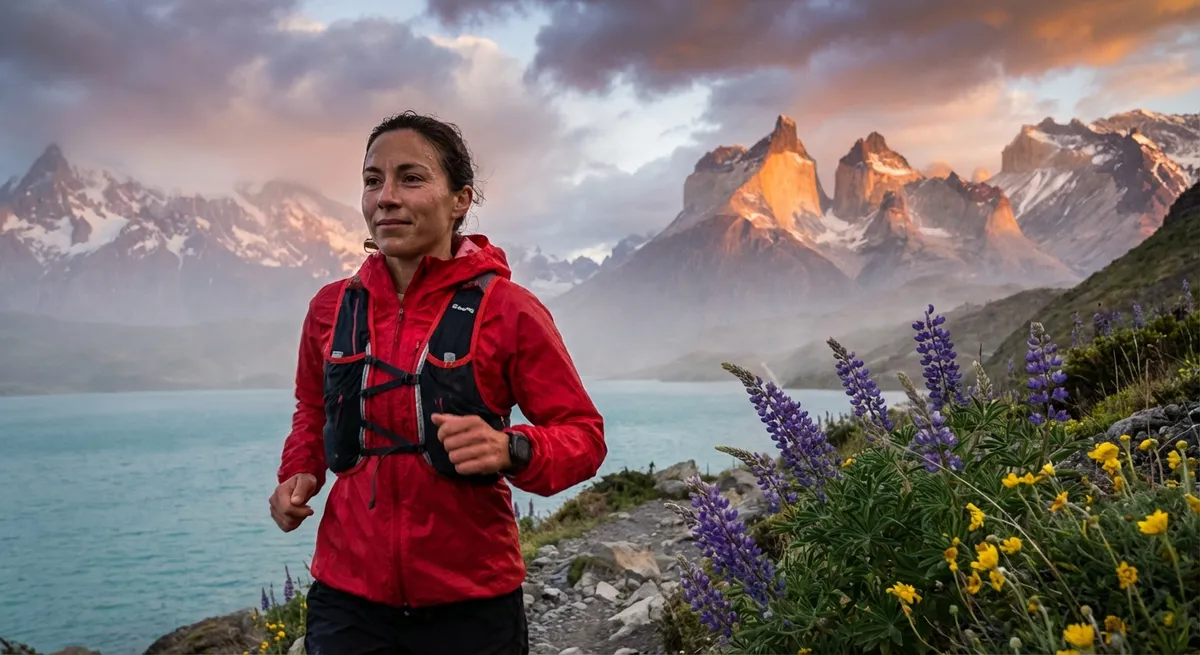
This is your invitation to choose journeys that challenge your body as much as they thrill your soul—and to weave training into every passport stamp.
Chasing Elevation: Mountain Towns That Train You Back
Mountain destinations are nature’s high-performance gyms—no turnstiles, no treadmills, just altitude and attitude. In places like Chamonix in France, Queenstown in New Zealand, or Boulder in Colorado, the terrain shapes how you move. Climb switchback trails that turn your legs to fire, then descend into valleys where rivers cut through pine-scented air. The constant rise and fall of the landscape builds muscular endurance, balance, and mental grit with every step.
High-altitude towns add another layer of challenge: thinner air nudges your heart and lungs to adapt, improving oxygen efficiency over time. Long hikes, trail runs, or mountain-bike rides become not just adventures, but physiological upgrades. Between efforts, you can recover in alpine cafés, refuel with hearty local fare, and wake up to ridgelines that dare you to push farther. In these places, every summit photo is proof that you didn’t just visit—you evolved.
Coastlines in Motion: Oceanside Cities Built for the Active Explorer
Some cities are made for strolling; others are built for moving. Think Barcelona’s miles-long beachfront path, Cape Town’s Sea Point Promenade, or Sydney’s coastal Bondi-to-Coogee track. These shoreline cities invite you to swap static sightseeing for kinetic exploration—jogging past landmarks, lunging in parks, or taking sunrise yoga on the sand while surfers chase the early swell.
Coastal destinations offer a natural cross-training blend: soft-sand runs to toughen your legs and feet, stair sprints on cliffs for explosive power, and ocean swims or paddle sessions for upper-body strength and endurance. The ever-changing conditions—wind, waves, tides—keep your body guessing and growing. When the day’s done, refuel with fresh seafood, watch the sun melt into the water, and feel that post-workout calm that only comes after you’ve pushed yourself in nature’s arena.
Urban Grit, Global Grit: Turning World Cities into Training Grounds
Skylines aren’t barriers to adventure; they’re obstacle courses waiting to be decoded. Dynamic cities like Tokyo, Berlin, or Vancouver offer more than museums and cafés—they’re laced with riverside paths, spacious parks, stair-heavy districts, and bike-share networks that turn every errand into a mini workout. You can start with a dawn run along the river, weave through historic neighborhoods, and finish with bodyweight circuits in a public square while the city wakes up around you.
Modern urban hubs increasingly prioritize bike lanes, running trails, and outdoor fitness areas, making active exploration easier than ever. Climb viewpoints instead of taking elevators. Walk or run between attractions when distances allow. Join a local running club, rooftop boot camp, or yoga-in-the-park session to tap into the city’s fitness culture and meet like-minded travelers. By the time you leave, your memories will be mapped not just to sights, but to the routes your feet and wheels carved through the streets.
Wild Trails & Quiet Power: Nature Reserves That Reset Your Limits
Beyond the buzz of cities and resorts, national parks and nature reserves offer the kind of silence that amplifies your inner voice—the one that says “keep going” when your legs beg for mercy. Destinations like Banff and Jasper in Canada, Torres del Paine in Chile, or Japan’s Kumano Kodo pilgrimage routes challenge you with rugged, uneven terrain that trains stabilizing muscles and sharpens proprioception.
Carrying your gear on your back transforms travel days into functional strength sessions: every step with a pack loads your core, glutes, and shoulders. Long-distance trekking or fastpacking teaches you to manage effort across hours, not minutes, building deep endurance and mental resilience. In these wild spaces, there are no mirrors or metrics besides your breath, the crunch of dirt underfoot, and the widening horizon ahead. The reward: the quiet confidence that comes from realizing you can travel farther under your own power than you ever imagined.
Five Active Travel Tips for the Fitness-Obsessed Adventurer
These five tips will help you squeeze every last drop of movement, challenge, and joy from your next trip—without burning out or blowing your goals.
1. Train for the Terrain Before You Fly
Look at the topography and activities your destination demands, then prep for it. Heading to a steep mountain town? Add hill repeats, step-ups, and loaded stair climbs to your training. Visiting a city that begs to be explored on foot or bike? Build up your daily walking mileage and incorporate longer, moderate-intensity efforts. Oceanside adventure planned? Mix in swim intervals, sand runs if you have access, and ankle-strength exercises for unstable surfaces.
By mirroring the demands of your upcoming trip, you’ll arrive not just “on vacation fit,” but “destination specific fit,” so you can spend more time enjoying the challenge and less time recovering from it.
2. Build a Portable “Micro-Gym” in Your Pack
Your gear should empower movement, not weigh you down. Pack a compact, versatile “micro-gym” that lets you train anywhere: a lightweight jump rope, a set of mini or long resistance bands, and a collapsible yoga or travel mat can turn any hotel room, rooftop, or patch of grass into a full-body training zone. Throw in a lacrosse or massage ball for quick mobility work after long flights or intense days on your feet.
Use local structures to your advantage—park benches for step-ups and triceps dips, railings for incline push-ups, stairwells for sprints or loaded climbs with your pack. With just a few tools and some creativity, you can keep strength and mobility dialed in while the destination handles your cardio.
3. Sync Your Workouts with Sunrise and Sunset
Bookend your days with movement that connects you to the place. Sunrise sessions offer cooler temperatures, quieter streets or trails, and unforgettable views as the landscape changes color around you. This works especially well for runs, hikes, or beach workouts before the crowds arrive. Evenings are perfect for slower, grounding movement—sunset walks, light jogs, or restorative yoga overlooking city lights or fading mountains.
This rhythm anchors your trip: morning sweat to energize, evening flow to unwind. It also helps mitigate jet lag, using exposure to early and late daylight to reset your body clock while you move through your new surroundings.
4. Let Local Culture Shape Your Movement
Instead of forcing your home routine onto a new landscape, lean into the destination’s movement traditions. In Japan, try early-morning “radio taiso” style calisthenics or join locals in gentle park stretching. In Brazil, sample capoeira or beach-side functional training. In Scandinavia, embrace “friluftsliv”—the outdoor life—by layering up for winter runs, cross-country skiing, or cold-water dips followed by sauna sessions.
Ask locals or your accommodation staff where people go to move: community pools, waterfront promenades, stair-heavy viewpoints, or public fitness circuits. By aligning your workouts with local customs, you’ll gain not just fitness, but cultural insight and unexpected connections.
5. Program “Active Recovery Days” Like a Coach
Rest days on an active trip shouldn’t mean doing nothing—they should mean moving differently. Plan lower-intensity days that keep you in motion while letting your muscles bounce back: gentle cycling tours, easy kayak paddles, leisurely hikes to scenic overlooks, or long city walks with ample café breaks. This keeps blood flowing, reduces stiffness, and lets you absorb the experience instead of blazing past it.
Think like a coach programming a training block: alternate hard-challenge days (long hikes, big climbs, intense runs) with lighter, curiosity-driven explorations. You’ll unlock more total volume over the course of your trip and return home stronger instead of wrecked.
Weaving Fitness into the Story of Your Travels
Every destination offers two versions of itself: the one you watch from a bus window, and the one you earn through sweat. The same trail that burns your legs at mile eight is the one that reveals a hidden valley. The same staircase that sends your heart rate soaring leads to a rooftop view tourists never see. When you travel with fitness as your compass, the world stops being a backdrop and becomes your training partner—challenging you, shaping you, and reflecting back the strength you discover in yourself.
Your next trip doesn’t have to be a pause button on your goals. It can be the catalyst that redefines what you believe your body—and your spirit—can do. Pack your curiosity, your grit, and your running shoes. The world is wide, the trails are waiting, and your strongest stories haven’t been written yet.
Sources
- Centers for Disease Control and Prevention – Physical Activity and Health - Overview of the health benefits of regular physical activity, useful context for why active travel is so powerful
- World Health Organization – Physical Activity Fact Sheet - Global guidelines and recommendations on activity levels and their impact on health
- ACSM – Physical Activity Guidelines Resources - American College of Sports Medicine insights on training, endurance, and health for active individuals
- Parks Canada – Banff National Park - Official information on one of the world’s premier mountain and hiking destinations
- New Zealand Department of Conservation – Great Walks - Details on iconic trekking routes that exemplify destination-based endurance adventures