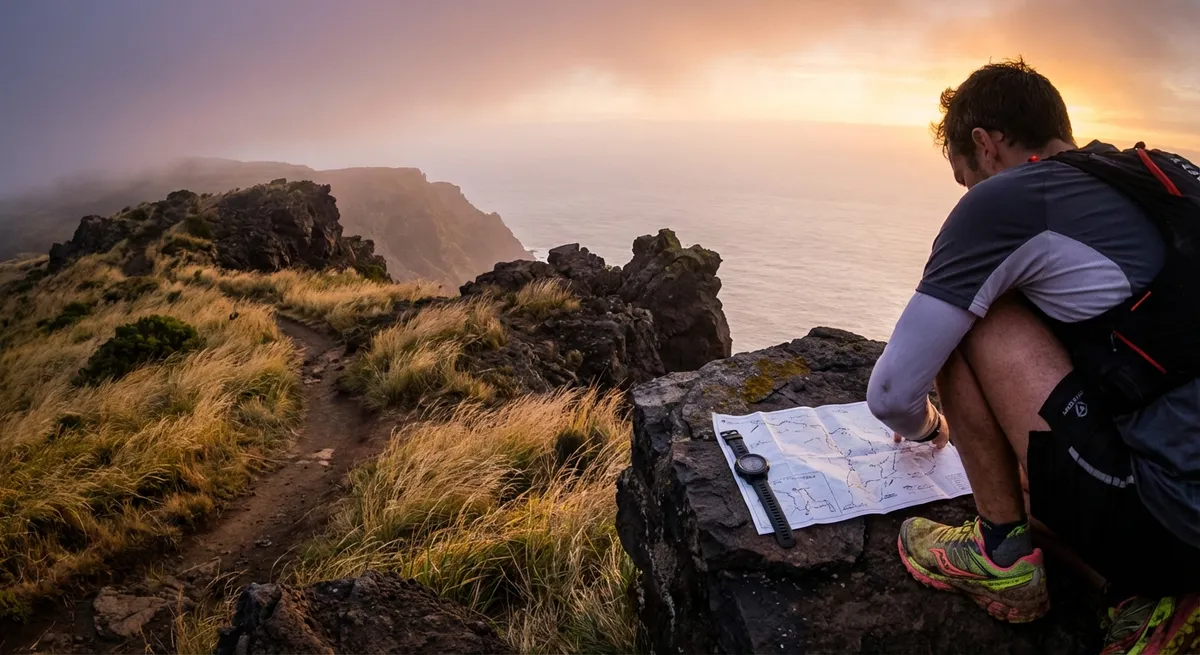
This isn’t about squeezing in a hotel gym session between museums. It’s about choosing destinations that actively level up your strength, endurance, and grit—while still delivering jaw-dropping views, rich culture, and unforgettable food. Lace up. Let’s build a global bucket list your muscles will remember.
Why Train Through the World Instead of Around It?
Active travel changes not just how you move, but how you experience every destination.
When you run, hike, paddle, cycle, or climb your way through a new place, you:
- Cover more ground under your own power, which means more hidden neighborhoods, side streets, and unmarked viewpoints.
- Anchor memories to effort: that brutal hill in Lisbon, the salt on your skin after a dawn ocean swim in Cape Town, the burn in your legs halfway up those endless Kyoto temple stairs.
- Learn what your body can do in environments you can’t control—humidity, elevation, cobblestones, wind—building resilience that no treadmill can simulate.
- Connect with locals in a way spectators never can: at community runs, on popular city routes, in climbing gyms, or on shared trekking paths.
This isn’t about burning off last night’s dessert. It’s about building a story your body helped write.
Destination Spotlight: Endurance in Cape Town, South Africa
Cape Town feels like it was sketched by an endurance athlete: mountains, ocean, coastal roads, and trails all stacked against a dramatic skyline.
Highlights for fitness-focused travelers:
- Table Mountain & Lion’s Head: Trade cable cars for quads-on-fire. The Platteklip Gorge route up Table Mountain is steep and direct, while Lion’s Head offers a shorter, scrambly ascent with 360° views. These hikes double as serious leg day plus altitude conditioning.
- Sea Point Promenade: A flat, scenic stretch perfect for tempo runs, interval sprints, or sunrise recovery jogs with the Atlantic crashing beside you.
- Chapman’s Peak Drive (Cycling): One of the planet’s most iconic coastal rides. Expect sweeping curves, rolling climbs, and views that make every pedal stroke worth it.
- Ocean sports: Try cold-water swimming, surf sessions at Muizenberg, or SUP (stand-up paddleboarding) for core and stability training with a side of adrenaline.
Cape Town rewards every bit of effort you give it, and the terrain pushes you into that satisfying zone where your lungs burn, but the view keeps you moving.
Destination Spotlight: Mountain Grit in Chamonix, France
Chamonix is the kind of place where even a “casual stroll” feels like training camp. Nestled in the French Alps beneath Mont Blanc, this town breathes altitude, elevation gain, and endurance.
Why it’s a dream for fitness adventurers:
- Trail running paradise: World-famous routes like those used in the UTMB (Ultra-Trail du Mont-Blanc) event weave through forests, balconies, and high-mountain terrain. You can scale your distance from short, punchy climbs to all-day mountain epics.
- Hiking with purpose: Take on routes to Lac Blanc or along the Grand Balcon Nord/Sud for challenging ascents, technical descents, and backside views of glaciers that look unreal.
- Cross-training on rock and ice: Try alpine climbing, via ferrata, or guided glacier walks to build full-body strength, balance, and mental fortitude.
- Recovery with a view: Cable cars and mountain trams aren’t “cheating”—they’re strategic tools. Use them to reach altitude and then descend on foot, getting eccentric strength work that hammers your quads.
In Chamonix, rest days are relative. Even a light walk becomes a strength session, and your cardio gets an automatic boost from thin mountain air.
Destination Spotlight: Urban Power in Tokyo, Japan
Tokyo might look like a neon maze of concrete at first glance, but underneath the skyscrapers, it’s a playground for disciplined, structured training.
Fitness-forward reasons to go:
- Iconic running loops: The 5 km circuit around the Imperial Palace is one of the city’s favorite running routes—safe, well-maintained, and popular with local runners. Perfect for steady state runs or timed efforts.
- Stairs and temple climbs: Shrines and temples often sit at the top of intimidating staircases. Turn visits to places like Senso-ji or Nezu Shrine into lower-body conditioning by taking extra circuits up and down the steps.
- Parks as natural gyms: Yoyogi Park and Ueno Park offer open spaces for bodyweight circuits, sprints, and mobility work. Think: morning HIIT among cherry blossoms or evening cooldown walks beneath lanterns.
- Discipline meets movement: Try a local martial arts class (karate, judo, aikido) or a group fitness session—Japanese studios are known for structure, precision, and form, which can refine your technique and body awareness.
Tokyo proves that you don’t need a mountain range to train boldly—just a curiosity to explore and a willingness to move through the city instead of just across it.
Destination Spotlight: Coastal Strength in Lisbon, Portugal
Lisbon is all hills, tiles, and ocean light—a city built for legs that like to work.
What makes it a standout fitness destination:
- Hill sprints, everywhere: Neighborhoods like Alfama and Bairro Alto are essentially built-in hill workout zones. Use tram tracks as markers and sprint from one stop to the next.
- Stair power: Lisbon’s miradouros (viewpoints) often require long stair climbs, perfect for plyometric work or steady, low-impact conditioning.
- Ocean training nearby: Head to Cascais or Costa da Caparica for beach runs, surf lessons, or sand-based strength workouts. Soft sand forces stabilizers and smaller muscle groups to show up.
- Run the waterfront: The Tagus River waterfront is flat and forgiving—ideal for long runs, tempo pace, or bike rides with the 25 de Abril Bridge looming overhead like a finish-line arch.
Lisbon demands effort, but it pays you back in golden-hour views, salty breezes, and the satisfaction of earning every viewpoint.
5 Active Travel Tips for Fitness Adventurers
1. Train for the Terrain, Not Just the Trip
Instead of a generic “get in shape for vacation” plan, tailor your training to your destination.
- Heading somewhere mountainous? Add stair intervals, hill repeats, and loaded carries (like farmer’s walks) to mimic long climbs.
- Planning a city-focused trip? Mix in more walking lunges, step-ups, and tempo runs to reflect sustained, moderate output across long days on your feet.
- Ocean or lake on the itinerary? Incorporate swimming, rowing, and balance work to prep for paddling or surf sessions.
You’ll enjoy the destination more when your body is ready for the terrain it throws at you.
2. Pack a Micro-Gym, Not a Suitcase Full of Gear
Travel light, train hard. The key is versatility:
- Essentials: A medium-strength resistance band, a mini-loop band, and a lightweight jump rope can cover strength, mobility, and cardio.
- Add-ons if space allows: A compact suspension trainer or a travel yoga mat that doubles as a towel.
- Build go-to hotel or apartment workouts that use furniture, doorways, and floors plus your portable kit. Think: Bulgarian split squats off a chair, incline pushups on a desk, banded rows anchored in a doorway.
Your gear should fit into a small pouch but still let you hit every major muscle group.
3. Turn the First 24 Hours Into an Active Orientation
Instead of collapsing after a flight, use movement to reset:
- Do a light jog or power walk around your accommodation radius to map out parks, waterfronts, and quiet streets for future workouts.
- Add short mobility and stretching sessions to loosen up jet-lagged joints and recalibrate your breathing.
- Stop at local markets to stock real fuel—fruit, yogurt, nuts, and hydration options—so your first workouts aren’t powered by airplane snacks.
Your body adapts faster when you send it a clear signal: “New place, same commitment to movement.”
4. Use Local Events as Built-In Training Sessions
Let the destination shape your training week:
- Search for local park runs, weekly community rides, open-water meets, or climbing gym meetups.
- Join a drop-in yoga, HIIT, or martial arts class in the local language—follow the movements, even if you don’t catch every word.
- Ask hotel staff or hosts about popular running routes or sunrise hike spots; locals often know safer, more scenic options than generic guidebooks.
You’re not just visiting—you’re temporarily plugging into the city’s fitness rhythm.
5. Treat Recovery as Part of the Adventure
Active travel pushes your output; your recovery has to keep up.
- Use walking as low-intensity cardio and recovery: wander new neighborhoods on foot instead of hopping on transit every time.
- Prioritize sleep by aligning your bedtime with local time as early as possible; your training quality depends on it.
- Embrace regional recovery rituals: thermal baths in Europe, onsen in Japan, hammams in North Africa or the Middle East, sea swims in coastal towns.
- Hydrate intentionally, especially at altitude or in heat. Pack electrolytes to avoid the slow creep of dehydration during long sightseeing-plus-training days.
Your next workout—and your enjoyment of the trip—starts with how well you repair today’s effort.
Conclusion
Fitness travel isn’t about checking a workout box so you can “earn” your meals. It’s about living fully inside each destination with every step, stroke, climb, and breath. When you choose places that challenge your body and wake up your sense of adventure, your training stops being something you squeeze into your life—it becomes the way you explore it.
From Cape Town’s rugged coastlines to Chamonix’s alpine playgrounds, from Tokyo’s disciplined city loops to Lisbon’s hillside grind, the planet is quietly waiting to become your next training partner. Pack your curiosity, your grit, and just enough gear to stay dangerous.
Your passport is a fitness tool. Where will you test your strength next?
Sources
- Centers for Disease Control and Prevention – Physical Activity Basics - Overview of physical activity benefits and guidelines that support active travel lifestyles
- Harvard T.H. Chan School of Public Health – Benefits of Physical Activity - Evidence-based breakdown of how regular movement improves health and longevity
- World Health Organization – Physical Activity - Global recommendations on physical activity levels, useful for structuring travel training plans
- UTMB Mont-Blanc Official Site - Information about Chamonix’s iconic trail running event and the alpine routes that attract endurance athletes
- Cape Town Tourism – Outdoor Adventures - Practical details and ideas for hikes, coastal routes, and active experiences in Cape Town