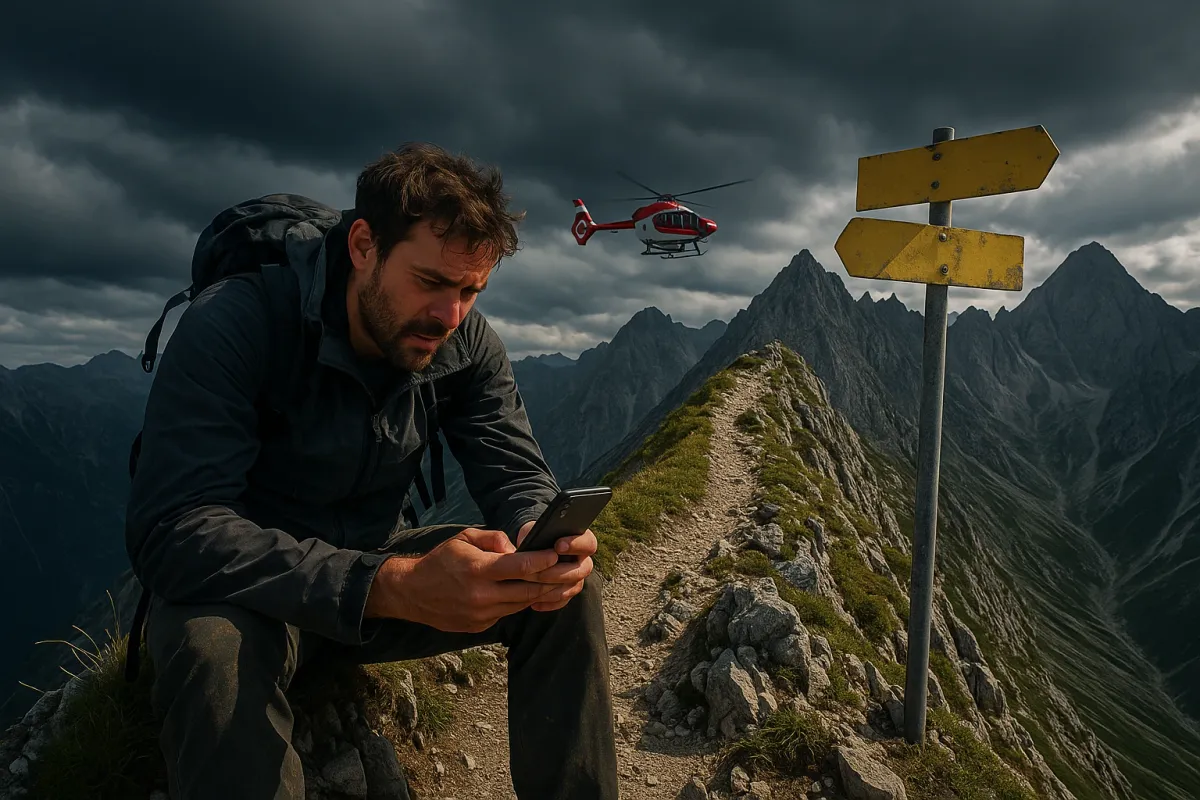
At Fit Voyaga, we live for high ridgelines, cold air, burning calves, and that dizzying feeling of “Wow, I really did that.” But we also believe that the boldest move you can make is coming home alive, every time. So let’s take this very real, very current tragedy and turn it into fuel: not for fear, but for smarter, wilder, more resilient adventure.
Below are five active-travel power moves to help you chase epic summits, remote trails, and wild landscapes—while stacking the odds firmly in your favor.
Build “Environment-Specific” Fitness, Not Just Gym Strength
Kerstin’s story unfolded in the high Alps, where weather and altitude turn a casual hike into a high-stakes expedition. The lesson: general fitness isn’t enough; your training has to match the environment you’re heading into.
If you’re dreaming of alpine ascents in Austria, Switzerland, or the Rockies, start training with steep incline hiking, weighted packs, and long-duration efforts in the cold when possible. For desert treks in places like Jordan’s Wadi Rum or Utah’s canyons, practice back-to-back long days in heat, dial your hydration strategy, and get used to moving on loose terrain. Heading into humid jungle trails in Costa Rica or Thailand? Train with tempo runs or hikes in warm, sticky conditions, focusing on recovery between efforts.
Adventure fitness is specific: do stair intervals with a loaded backpack if you don’t have hills, practice using trekking poles on local trails, and spend time in conditions that mimic your destination (even if it means climbing your city’s steepest overpass at sunrise). The stronger your “environment-specific” fitness, the more energy you’ll have left over for critical decisions when things get real.
Set Non-Negotiable Safety Pacts With Your Adventure Partners
In the Austria case, authorities allege that Kerstin’s boyfriend descended alone, leaving her behind in lethal conditions. That’s not a “relationship issue”—it’s a partnership failure on an expedition. When you step into serious terrain with someone, you’re not just dating, traveling, or hanging out. You’re entering a pact.
Before you hit a glacier in Austria, a volcano in Indonesia, or a remote ridge in Patagonia, sit down with your partner or group and set non-negotiables:
- We do not split up in dangerous conditions.
- If one person turns around, we all turn around.
- No summit is worth a human life.
Put it in writing in your trip plan; say it out loud the night before. Make sure everyone knows who’s leading navigation, who’s monitoring time and weather, and who’s responsible for check-ins. Epic memories are built on clear expectations, not vague assumptions. Your fittest adventure is always the one where every member of the team returns.
Learn to Read Real Risk, Not Just the Vibe
Every season, headlines like Austria’s remind us that risk is often misjudged—not because people are reckless, but because they’re inexperienced in that environment. Adventure fitness demands that you train your risk radar as intensely as your VO₂ max.
Before any big trip, especially in high-consequence areas like Großglockner, the Himalayas, or high Colorado fourteeners, build a pre-departure checklist:
- Weather: Use local mountain forecasts, not generic city apps. Monitor rapidly changing conditions like wind and temperature drops.
- Route Conditions: Check recent trip reports, talk to local guides or hut wardens, and confirm whether ice gear or technical skills are required.
- Turnaround Time: Set a hard turnaround time before you start (e.g., “2 p.m. no matter how close we are to the summit”), and treat it like a law.
On the trail, practice micro-assessments: How cold am I really? How tired is my slowest partner? How much daylight is left? Can we safely reverse this section if conditions worsen? The more frequently you ask these questions, the more natural it becomes to make bold—but grounded—choices in wild places.
Train Your “Rescue Readiness”: Skills, Gear, and Mindset
Rescue teams responding to incidents like the one in Austria often emphasize the same points: many tragedies are survivable with better preparation and self-rescue skills. That’s not victim-blaming; it’s a wake‑up call for all of us who crave remote, demanding landscapes.
Level up your “rescue readiness” before your next big adventure:
- Take a Wilderness First Aid or Wilderness First Responder course. Know how to treat hypothermia, sprains, altitude sickness, and shock.
- Carry real emergency gear, even on “fitness” outings: a heat-reflective bivy sack, extra layers, headlamp, spare battery, high-calorie emergency food, and a small first-aid kit.
- Invest in communication tools—a satellite messenger or PLB if you’re going beyond cell coverage. In the Alps, Rockies, Andes, or Himalayas, this can be the difference between a cold night out and a headline.
- Practice calm under pressure. Use hard training days as mental drills: when you’re exhausted on a trail run or steep hike, practice slowing your breath, making deliberate decisions, and keeping your mind sharp. That same skill transfers when the stakes are higher than PRs and personal records.
You can’t control everything in the wild—but you can massively increase your odds by treating self-rescue as part of your fitness plan.
Choose Destinations That Challenge You—But Match Your Current Level
Austria’s Großglockner is stunning, iconic, and serious. It attracts everyone from seasoned mountaineers to ambitious hikers, and that’s where tension often lives: we’re pulled toward the biggest peak on the skyline, even if we’re not quite ready yet.
Adventure fitness works best when you build a progression of destinations instead of jumping straight into the most extreme option. For example:
- Start with non-technical alpine hikes in regions like Slovenia’s Julian Alps or Switzerland’s lower valleys, focusing on elevation gain and long days on your feet.
- Progress to guided glacier treks in the Alps or Iceland, where you move on ice under the supervision of certified guides.
- Then tackle intro mountaineering peaks (still guided at first) before you consider more exposed objectives like Großglockner without professional support.
Apply the same ladder to other environments: multi-day hut-to-hut hikes before unsupported thru‑hikes, basic canyon trails before technical slot canyons, marked coastal paths before off‑trail coastal scrambles. You’re not “less adventurous” for working your way up—you’re ensuring a lifetime of adventures instead of a single, catastrophic story.
Conclusion
Kerstin Gurtner’s death on Austria’s highest peak is not just another tragic headline; it’s a stark reminder that our passion for wild places must be matched by preparation, partnership, and respect. The era of “just wing it” is over—today’s adventure fitness traveler is strong, skilled, and relentlessly intentional.
Let this moment in the news sharpen your edge, not dull your spirit. Build the environment-specific strength to thrive in the conditions you seek. Forge unshakeable pacts with your partners. Train your risk radar and rescue readiness just as hard as your legs and lungs. And choose destinations that stretch you without snapping your safety net.
The mountains, deserts, jungles, and coastlines of this planet are waiting for you—right now, in this season, in this wild, unpredictable world. Go after them with everything you’ve got. Just make sure that when the story of your adventure is told, it ends the way every great fit voyager intends: tired, transformed, and very much alive.