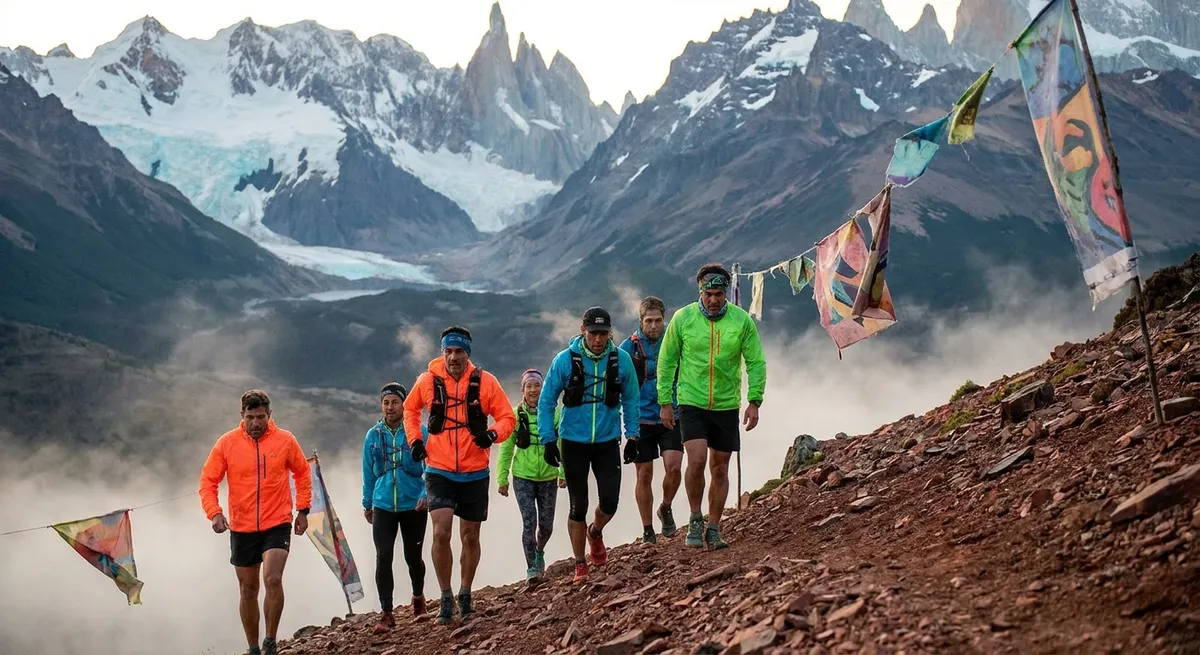
Where Mountains Make Your Muscles: High-Altitude Havens
If your soul lights up at the sight of peaks, high-altitude destinations are your natural training ground. Places like Chamonix in France, Colorado’s Front Range, or Peru’s Sacred Valley don’t just challenge your legs—they recalibrate how your entire body works. Thinner air forces your heart and lungs to work harder, which can boost endurance when you return to sea level. Morning ridge runs become interval sessions, and even a long hike becomes a steady-state cardio workout with a panoramic reward.
What makes mountain destinations so potent is variety. Technical trails test balance and ankle stability, steep climbs hammer your glutes and lungs, while descents demand control and strength. Off days don’t have to be rest days—they can be easy walks to alpine lakes, mobility sessions on chalet decks, or gentle spins on mountain bikes. The key in altitude-rich zones is to pace yourself the first few days, hydrate more than feels normal, and listen closely to any signs of altitude sickness. In the right balance, the mountains will harden your engine without breaking your spirit.
Oceans, Reefs, and Waves: Coastal Destinations That Train Your Core
Coasts are nature’s outdoor gyms, constantly shifting and demanding your full attention. Think of surfing in Costa Rica, open-water swims in Australia’s Noosa region, or stand-up paddleboarding along Portugal’s Algarve cliffs. Water-based workouts recruit muscles that desk-bound life makes easy to forget—deep core stabilizers, shoulder girdle, and the smaller muscles in your feet and ankles that fire as you balance on uneven, moving surfaces.
Sand alone can transform simple moves into athletic tests. Running on a beach loads your calves and hamstrings differently, forcing your stabilizers to work overtime while reducing joint impact. Bodyweight circuits—lunges, bear crawls, planks, and sprints—turn into brutal, blissful sand challenges. Coastal winds double as natural resistance, while swims teach rhythm and breath control. Combine sunrise beach runs with post-session ocean dips and you’ll tap into a training flow that feels more like play than discipline, yet leaves you undeniably fitter.
Cityscapes as Playgrounds: Urban Destinations With a Fitness Pulse
Not every fitness adventure needs wilderness; some of the world’s most invigorating training grounds are dense, fast-paced cities that refuse to sit still. Picture dawn runs along the waterfront in Vancouver, stair sessions on Hong Kong’s Mid-Levels escalator routes, or evening rides through Copenhagen’s cycling arteries. Urban destinations with robust walking and cycling infrastructure essentially hand you a built-in active lifestyle the moment you arrive.
Cities also pack niche training communities into small areas. You can drop into cross-training boxes, bouldering gyms, calisthenics parks, or rooftop yoga studios within a few blocks. Public parks often hide pull-up bars, sprintable hills, and wide lawns begging for kettlebell flows or mobility work. When you treat a city as a giant obstacle course—sprinting for green lights, taking stairs by choice, or walking every errand—you transform sightseeing into steady movement that accumulates into serious fitness volume by week’s end.
Wild Trails and Thick Jungle: Destinations for Grit and Gritty Lungs
If your idea of a perfect day involves mud, roots, and the endless soundtrack of insects and birds, jungle and forest regions offer a different flavor of fitness high. Trails in places like Costa Rica’s cloud forests, New Zealand’s bush tracks, or the rainforests of Southeast Asia challenge your proprioception and mental focus as much as your cardio system. Humidity turns moderate exertion into a heat management puzzle, making hydration and pacing crucial.
Technical terrain forces you to stay present: roots, rocks, and sudden elevation changes keep your feet light and your mind locked in. You’re training agility, coordination, and mental stamina every step of the way. Add in kayak trips through mangrove channels, canopy zipline hikes, or trail runs that end at hidden waterfalls and you have a training block that feels like a story you’ll retell for years. Respect the elements here—start early to avoid oppressive heat, fuel smarter, and build in real recovery to soak up the supercompensation benefits.
Five Active Travel Tips for the Relentlessly Curious Athlete
Adventure travel and training don’t have to compete. With intention, every day on the road can sharpen your fitness while expanding your worldview. These five tips keep your body primed and your wanderlust blazing:
Anchor Your Day With a “Non-Negotiable” 20 Minutes
Choose a simple, portable routine—like a 20-minute bodyweight circuit or run—that you can do anywhere. Make it your daily anchor before breakfast or sunset. The short, consistent dose keeps your training identity intact, even on hectic travel days, and often snowballs into longer, playful sessions when time allows.
Let the Landscape Choose the Workout
Instead of forcing your home routine onto every destination, ask what the terrain naturally invites. Mountains ask for hikes, trail runs, or stair climbs. Coasts beg for swims, paddles, or soft-sand sprints. Cities lean into walking, cycling, or park circuits. You’ll stay mentally fresher and physically better adapted by letting the land set the theme.
Travel With a Minimalist “Adventure Kit”
Pack a resistance band, a compact jump rope, and a lightweight pair of cross-training shoes. That’s enough to build serious strength and conditioning in hotel rooms, parks, rooftops, or beaches. This micro-kit keeps your options open without weighing down your bag, and eliminates excuses when conditions aren’t perfect.
Periodize Your Trip Like a Training Block
Think of your journey in phases: early days as “adaptation” (easy paces, exploration mode), mid-trip as “performance” (harder hikes, big summit pushes, longer rides), and final days as “deload” (easy swims, gentle walks, stretching, and sleep). This mirrors well-designed training programs and helps you avoid burning out halfway through your adventure.
Fuel Like an Explorer, Not a Tourist
Use local food culture as a performance advantage. Seek out markets for fresh fruits, vegetables, lean proteins, and whole grains that support long, active days. Hydrate aggressively, especially in altitude or humidity. Enjoy the indulgences—street food, pastries, or regional desserts—but frame them as “earned” celebrations around a foundation of nutrient-dense meals that keep your engine firing.
Conclusion
The world is full of destinations that don’t just entertain you—they forge you. From alpine switchbacks to pounding surf, from neon-lit city paths to shadowed jungle singletrack, every landscape whispers a different invitation to move. When you travel with intention, curiosity, and a willingness to sweat, your passport stamps become milestones in your evolution as an athlete and adventurer.
You don’t have to wait for the “perfect” trip or the “ideal” fitness level. Start with one destination, one trail, one shoreline. Pack your sense of wonder, your willingness to work, and a body ready to say yes. The planet is your training partner now—go meet it halfway.
Sources
- Centers for Disease Control and Prevention – Travel Health: Altitude Illness - Overview of how high altitude affects the body and tips for safe acclimatization during travel
- Harvard T.H. Chan School of Public Health – Physical Activity and Health - Evidence-based benefits of physical activity that underpin active travel and adventure training
- U.S. National Park Service – Hiking Safety Tips - Practical guidance for staying safe and prepared on trails in diverse environments
- American Council on Exercise – Benefits of Sand Workouts - Explains how training on sand affects muscles and joints, supporting coastal workout ideas
- World Health Organization – Physical Activity Fact Sheet - Global perspective on recommended activity levels and health impacts, relevant to structuring active trips