What Adventure Fitness Really Means
Adventure fitness isn’t just “being active on vacation.” It’s the mindset of designing travel around challenge, curiosity, and movement. Instead of squeezing in a workout between tourist stops, your workout is the experience.
It’s choosing a dawn trail run above Cape Town rather than a treadmill in the hotel basement. It’s swapping a standard river cruise in Slovenia for a whitewater rafting expedition that tests your grip, focus, and core strength. It’s climbing limestone cliffs in Thailand to reach views most travelers only see in drone videos.
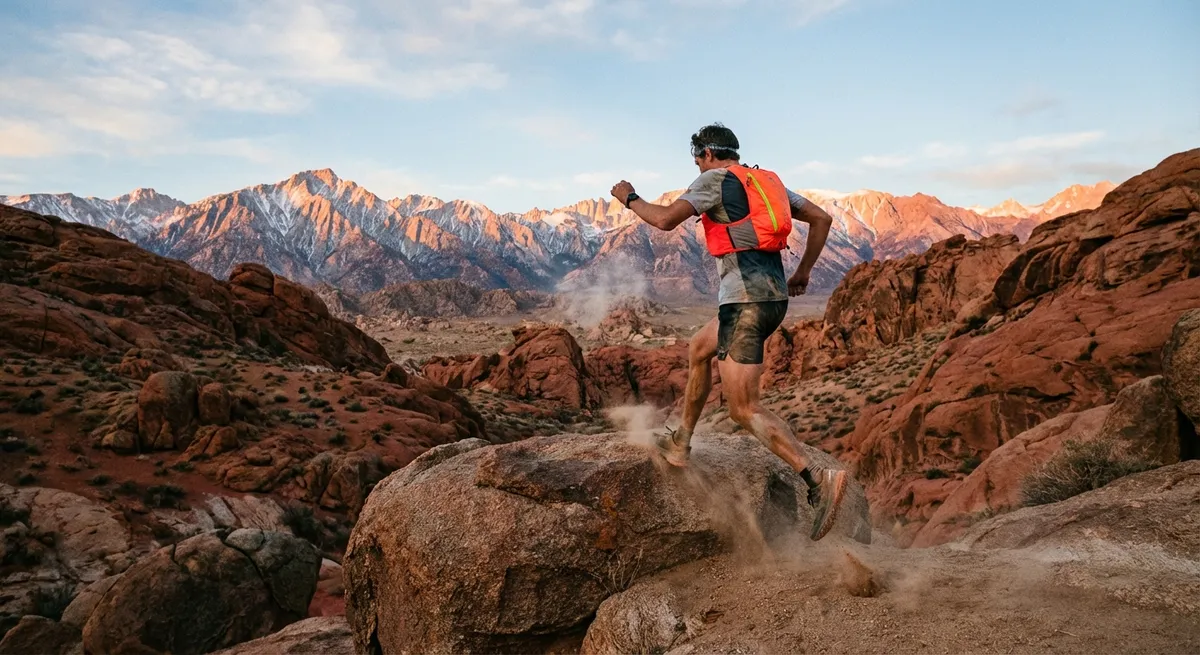
At its heart, adventure fitness is training your body to adapt—to altitude, terrain, temperature, and the unexpected. You build functional strength hauling a pack on the Laugavegur Trail in Iceland, agility scrambling over boulders in Joshua Tree, and stamina cycling from village to village in Vietnam. You’re not chasing a perfect split; you’re chasing peak experiences.
The reward is twofold: a fitter, more resilient body and a highlight reel of memories that no standard gym session can compete with.
Power Destinations for the Adventure-Fit Traveler
All over the map, certain destinations practically dare you to show up ready to move. Think of them as adventure fitness playgrounds where the environment is your coach.
In Queenstown, New Zealand, known as the “adventure capital of the world,” you can stack your training week with alpine hikes, trail runs along Lake Wakatipu, downhill mountain biking, and leg-shaking bungee jumps that spike your adrenaline and test your courage. The vertical gain is real—and so is the conditioning.
In Chamonix, France, the shadow of Mont Blanc turns every day into a mountain training camp. You can power-hike steep trails, practice fast hiking or light trail running at altitude, and finish with some glacier trekking or Via Ferrata for full-body engagement and mental grit.
Costa Rica offers jungle-crossing strength work: surfing on the Pacific coast to train balance and core stability, then hiking cloud forests in Monteverde where your lungs and legs collaborate under humid, steep conditions. Kayak mangrove channels and you’re adding rotator-cuff-friendly upper body endurance to the mix.
Meanwhile, cities like Tokyo, Barcelona, and Vancouver blend urban grit with natural escape routes. Stair sprints between neighborhoods, coastal runs along boardwalks, and quick escapes to nearby mountains or parks let you toggle between culture and conditioning without missing a beat.
5 Active Travel Tips for Serious Fitness Adventurers
1. Train for the Terrain Before You Touch Down
Match your pre-trip training to what you’ll face on the ground. If you’re heading for steep Himalayan towns or the Inca Trail to Machu Picchu, build hill repeats and step-ups into your weekly routine. Use a loaded backpack for weighted stair climbs to mimic long ascents and descents.
Planning to surf in Bali or Portugal? Add shoulder stability work, swimming intervals, and pop-up drills (burpees or surfer-specific transitions) so paddling and catching waves won’t crush you on day one. The more sport-specific your prep, the more energy you’ll have left to enjoy the destination.
2. Pack a “Micro Gym” That Fits in Your Daypack
You don’t need a trunk full of gear to stay sharp on the road. A travel-ready micro gym can live in your carry-on and turn any balcony, beach, or trailhead into a workout zone.
Toss in a light resistance band set, a compact jump rope, and a pair of minimalist training shoes. Resistance bands double as warm-up tools before long hikes, strength builders for upper body and glutes, and recovery aids for mobility work in your hotel room. A jump rope turns a quiet square in Lisbon or a lakeside dock in Canada into a high-intensity conditioning session in minutes.
To keep it ultra-portable, use your surroundings as equipment—park benches for step-ups and dips, playground bars for pull-ups, stairs for sprints, and even your suitcase as a makeshift sandbag for squats and carries.
3. Build “Movement Anchors” Into Every Day
Instead of obsessing over a strict workout schedule while traveling, design movement anchors—non-negotiable pockets of intentional effort that sync with your explorations.
Commit to a sunrise sweat session: a 20–30 minute jog along Sydney’s harbor, a yoga flow on the cliffs of Santorini, or stairs up to a fortress viewpoint in Dubrovnik. Make your transit active when possible: walk or cycle between key spots, choose trails over taxis for short distances, and climb stairs instead of elevators in metro stations and museums.
Anchor your evenings with a short mobility or core routine back at your lodging. Five to fifteen minutes keeps your joints happy after long days of hiking, skiing, or urban wandering, and helps you stay consistent without sacrificing adventure time.
4. Periodize Your Trip Like a Training Block
Think of your journey as a training cycle, not a random string of hard days. Plan intentional peaks and recovery windows.
If you’re tackling something big—like a multi-day trek in Patagonia’s Torres del Paine or a cycling route across Mallorca—schedule a lighter “acclimation” day at the start: easy walks, gentle stretching, and relaxed exploration to let your body adjust to the climate, altitude, and time zone.
Group your most intense activities—summit attempts, long coastal runs, or back-to-back surf days—into a few key sessions, then follow them with active recovery days: easy swims, gentle hikes, or slow-city exploration. This prevents burnout and injury while letting you truly savor the high points rather than just surviving them.
5. Let Local Culture Shape Your Movement
One of the most powerful tools in your adventure fitness arsenal is simply moving like the people who live there.
In Copenhagen or Amsterdam, join the bicycle flow and treat your daily rides as low-intensity endurance work. In Japan, seek out local hiking routes (like those in the Japanese Alps or along segments of the Kumano Kodo) to mix tradition, nature, and solid cardio. In Peru or Ecuador, embrace the altitude by moving steadily and mindfully, watching how locals manage their pace on steep streets and mountain paths.
Look for community classes and clubs: beach bootcamps in Rio, early-morning tai chi in Hong Kong parks, or group runs organized by local running stores in cities like New York, London, or Berlin. You’ll plug into the local rhythm, push your comfort zone, and collect training partners—and stories—from around the world.
Staying Healthy While Pushing Your Limits
Adventure fitness is thrilling, but it also demands respect for your body’s limits. Changing climates, new foods, altitude, and jet lag all stack the deck, so smart self-management is part of the game.
Hydration becomes non-negotiable, especially at altitude or in hot, humid destinations. Carry a reusable bottle and consider electrolytes during long hikes, runs, or rides. Give extra attention to sleep; treat it as your primary recovery tool, not an afterthought, even if that means skipping one late night out.
Listen to the early whispers of fatigue or pain—aching knees after relentless descents in the Dolomites, a tight lower back after hauling a pack through Southeast Asia, or unusual shortness of breath at elevation. Adjust your intensity, build in a rest morning, or swap a hard climb for a restorative swim or gentle walk. Adventure fitness isn’t about proving invincibility; it’s about building a durable body that can keep exploring for years.
When in doubt, tap into local knowledge: guides, instructors, and outfitters know the land, the conditions, and how to move safely through them. Let them steer you toward challenges that stretch you without snapping you.
Conclusion
Adventure fitness is a declaration: you are not a passive traveler. You’re an active participant in every landscape you step into. Your training doesn’t pause when your boarding pass prints—it evolves, expands, and absorbs every summit, shoreline, and city street you can throw at it.
Pack your curiosity alongside your gear. Chase the trails the guidebooks barely mention. Let your heart rate rise with the sun over new horizons. When you blend movement with exploration, you don’t just collect stamps in your passport—you collect strength, resilience, and stories that echo every time you lace up, wherever in the world you happen to be.
Sources
- U.S. National Park Service – Hiking Safety - Guidance on staying safe and prepared for hiking and trekking adventures
- CDC – Healthy Travel Tips - Evidence-based advice on staying healthy and managing risks while traveling
- American College of Sports Medicine – Exercise and Physical Activity - Research-backed information on training, endurance, and recovery
- Harvard T.H. Chan School of Public Health – Physical Activity - Overview of the health benefits of active living and movement patterns
- New Zealand Tourism – Queenstown Adventure Activities - Official destination information outlining adventure opportunities for active travelers