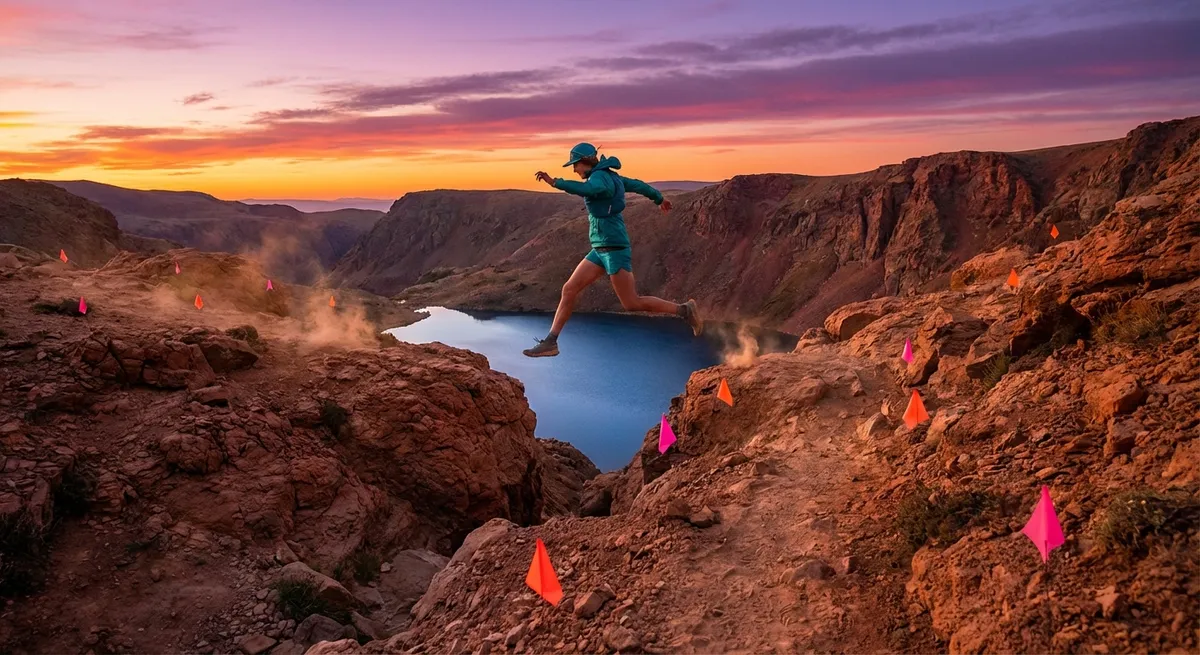
Chasing Altitude: Stronger Lungs in the Peruvian Andes
In Peru’s Sacred Valley and around Cusco, the air thins and every step asks more of your lungs and legs. This is not just sightseeing—it's live-fire training for endurance athletes and adventure seekers.
Base yourself in Cusco (around 3,400 m / 11,150 ft) or the slightly lower Sacred Valley to give your body time to adapt. Mornings can start with stair sprints up ancient stone steps or hill repeats overlooking red-roofed villages. Day adventures become natural workouts: trekking to Rainbow Mountain tests your aerobic engine, while the classic Inca Trail or alternative routes like Lares turn multi-day hiking into a moving performance lab. The thin air pushes you to slow down, tune into your breathing, and discover a deeper, more deliberate pace. After a week, sea-level runs feel easier, your lungs feel wider, and you leave with both epic views and newfound resilience.
Coastal Endurance: Ocean-Fueled Training in Cape Town, South Africa
Cape Town feels like it was designed for people who can’t sit still. Mountains crash into the sea, city streets roll into waterfront paths, and the wind itself seems to dare you to move faster.
You can start the day pounding out a dawn run along the Sea Point Promenade, the Atlantic blazing beside you. Then, scramble up Lion’s Head or Table Mountain for quad-burning climbs and rocky descents that double as trail running and strength training. On calmer days, slip into the ocean for open-water swims at Clifton or Camps Bay, letting cold water sharpen your focus and recovery. Cycling Chapman’s Peak Drive or along the peninsula turns a scenic road into a natural interval session, with climbs, curves, and ocean headwinds that force your legs and lungs to work together. Cape Town’s mix of rugged terrain and urban energy is a playground for anyone who wants adventure baked into every training day.
Volcanic Grit: Power and Stamina in the Landscapes of Iceland
Iceland’s raw, otherworldly landscapes make every workout feel like you’ve stepped onto another planet. Black sand beaches, lava fields, waterfalls, and glaciers turn ordinary moves into full-body challenges.
Near Reykjavík, you can weave functional training into hikes along geothermal valleys—lunges on soft volcanic soil, push-ups by steaming vents, and hill sprints up mossy ridges. Trail runs along the south coast, past Skógafoss or over the Fimmvörðuháls pass, demand balance, focus, and leg strength as you tackle uneven rock and shifting ground. Glacier hikes and ice climbs build serious core and grip power, forcing you to move with precision. Even a simple walk along Reynisfjara Beach, dodging waves and sprinting short distances on unstable sand, becomes a powerful stabilizing workout. Iceland transforms “cardio” into something primal: you’re not just training; you’re testing yourself against an elemental backdrop.
Urban Velocity: High-Energy Movement in Tokyo, Japan
Tokyo is proof that you don’t need wide-open wilderness to chase an active, adventurous life. The city pulses with momentum, and its neon streets and quiet parks invite countless ways to move.
Early morning in Yoyogi Park feels like a secret training ground: you’ll see runners, tai chi practitioners, and calisthenics enthusiasts sharing the space. You can join them with a bodyweight circuit between trees or a tempo run on the paths. The Imperial Palace loop is a beloved route for local runners, where smooth pavement and dedicated paths let you focus on speed or distance. In the evenings, let your workouts stretch into urban explorations: climb endless subway stairs instead of taking escalators, power walk between districts, or turn side streets into impromptu sprint intervals. Between sessions, you can dive into onsen-style public baths or recovery-focused spas to help your muscles rebound faster. In Tokyo, movement weaves seamlessly into city life, and the skyline becomes your training partner.
Desert Resolve: Mental and Physical Toughness in Jordan
Jordan’s landscapes—desert canyons, Martian-like rock formations, and ancient pathways—are a masterclass in grit. The country invites endurance, patience, and presence in a way that few destinations can match.
In Wadi Rum, sunrise hikes or runs over firm sand and rock plateaus build leg strength and stability, while midday heat demands careful pacing and hydration strategy. Trekking sections of the Jordan Trail, especially the rugged stretches leading toward Petra, feels like a moving meditation on endurance: long days on your feet, varied terrain, and the need to manage energy and resources. You can integrate bodyweight training into rest stops—planks in the shade of canyon walls, squats on rock outcrops, mobility work under an open sky. The desert teaches you to respect your limits while gently stretching them, rooting your fitness not just in muscles and lungs, but in mental resolve and situational awareness.
Five Active Travel Tips for Fitness Adventurers
These five strategies will help you turn any destination into a powerful, story-worthy training experience—without burning out or missing the magic of travel.
1. Program Your Week Around the Landscape, Not a Gym Split
Instead of clinging to a strict gym-style routine (leg day, back day, etc.), design your training around what the destination offers best. In mountain towns, front-load your week with hikes, climbs, and trail runs. In coastal cities, lean into swims, beach runs, and wind-challenged bike rides. Use hotel rooms or parks for quick strength or mobility sessions to fill the gaps. Let the geography dictate the main workout, and treat supplemental training as support, not the main event.
2. Train Early, Explore Long, Recover Hard
Mornings are golden in unfamiliar places. Aim for your most focused workout at sunrise or just after: a hill session, a strong run, or a demanding hike. Then shift into slower exploration—walking tours, markets, museums—that still keep you moving, but at a gentler pace. Prioritize recovery at night: hydrate aggressively, stretch for 10–15 minutes, and eat enough to truly refuel. That rhythm—train, explore, recover—helps you stay consistent for an entire trip instead of burning out after two intense days.
3. Turn Transit Into Micro-Workouts
Delays, layovers, and long transfers don’t have to steal fitness—they can build it. Use airport downtime for mobility flows, calf raises, and walk-the-terminal step challenges. On trains or buses, set a timer for posture checks and seated core engagement. When you arrive early for a tour or restaurant booking, fill the gap with walking laps, stair climbs, or short sprints in nearby parks. These bits add up, keep your body awake, and reduce the stiffness that kills performance and enjoyment.
4. Pack a “Minimalist Performance Kit”
You don’t need a trunk full of gear to train hard on the road. A compact setup can supercharge almost any environment. Consider packing a light jump rope, a couple of mini resistance bands, and a collapsible water bottle. These tools can turn a rooftop, beach, or alleyway into a training zone. Add a downloaded offline map app and a couple of saved bodyweight routines, and you’re ready for spontaneous sessions anywhere—mountain village squares, hotel courtyards, or quiet city side streets.
5. Respect Climate, Culture, and Your Limits
Adventure is only epic if you can finish it safely. Study the climate of your destination—heat, humidity, altitude, or cold—all change how hard you can push. Start conservatively and scale up as your body adapts. Dress in a way that respects local customs while still allowing you to move freely; in some regions, modest athletic clothing is a better choice than your usual gear. Listen for early signs of overtraining: persistent fatigue, irritability, or poor sleep. Build rest or low-intensity days into your itinerary so that your strongest memories are of summits reached and coastlines conquered, not workouts you had to abandon.
Conclusion
Every country holds more than postcard views; it holds potential energy for your next breakthrough. The Andes can deepen your lungs, Cape Town can sharpen your courage, Iceland can harden your resolve, Tokyo can refine your consistency, and Jordan can expand your mental endurance. When you chase destinations that challenge your body as much as they amaze your eyes, travel stops being a break from real life—it becomes the most powerful chapter of your athletic story. Pack your curiosity, lace up your ambition, and let the world train you into your boldest self yet.
Sources
- Centers for Disease Control and Prevention – Healthy Travel – Guidance on staying healthy and active while traveling internationally
- American College of Sports Medicine – Exercise at Altitude – Explains how high altitude affects performance and how to adapt safely
- Travel South Africa – Hiking and Outdoor Activities in Cape Town – Overview of outdoor and fitness-oriented experiences around Cape Town
- Visit Iceland – Hiking and Outdoor Recreation – Details on Iceland’s trail systems, terrain, and safety considerations
- Japan National Tourism Organization – Walking & Running in Japan – Highlights urban running routes and active options in Japanese cities like Tokyo