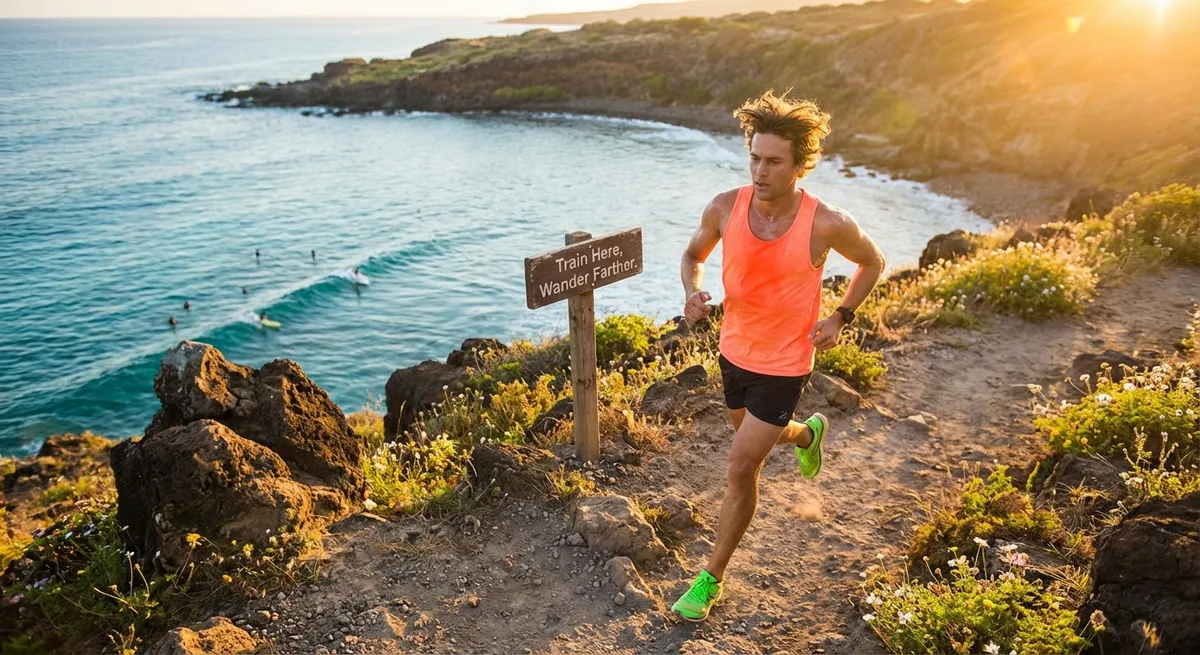
Pack your passport and your training shoes. These destinations—and the way you move through them—will pull you out of autopilot and straight into adventure.
Where Mountains Meet Muscle: High-Altitude Training Escapes
High-altitude landscapes don’t just steal your breath with views—they literally make breathing harder. That’s good news for adventure athletes. Destinations like Chamonix in the French Alps, La Paz in Bolivia, or Colorado’s Front Range challenge your lungs, legs, and mental grit in a single uphill trail.
Running or hiking at higher elevations increases cardiovascular strain, forcing your body to become more efficient at using oxygen. Spend a few days exploring alpine routes, stair-like mountain paths, and scenic ridgelines, and you’ll feel your conditioning shift. Chamonix offers mixed-terrain trails from pine forests to glacier lookouts. Colorado towns like Boulder or Estes Park pair rugged climbs with post-workout recovery in local cafés and mountain lakes.
The key is to respect the altitude: start with slower hikes or run-walk intervals, hydrate like it’s your job, and listen for early signs of fatigue. The payoff? When you return to sea level, regular workouts suddenly feel easier—and every photo from your runs looks like a movie still.
Coastlines That Make Cardio Feel Like Exploration
If mountains are for lungs, coastlines are for the soul. Picture running along Cascais’ oceanfront promenade near Lisbon, Portugal, stopping to stretch as waves explode against the rocks. Or cycling the cliffs of the Amalfi Coast in Italy, each hairpin turn revealing another turquoise cove. Coastal fitness destinations turn your sweat session into a moving postcard.
Beach towns like Byron Bay in Australia or Tulum in Mexico invite you to blend bare-foot sand sprints with ocean swims and paddleboard sessions. Soft sand amplifies resistance, demanding more from your calves, glutes, and core with every step. Boardwalks and cliff paths offer gentler surfaces when you want to go longer and faster.
Coastal training naturally encourages variety: run at sunrise, swim or surf at midday, and unwind with long sunset walks. The constant horizon line resets your mind, and the steady rhythm of waves becomes an unofficial metronome for your tempo runs or meditative cool-downs.
Urban Playgrounds: Turning Cities Into Training Arenas
Not every fitness adventure needs a remote cabin and a glacier. Some of the best “gyms” on Earth come with skylines. Cities like Tokyo, Copenhagen, Vancouver, and Berlin offer well-designed paths, parks, and cycling infrastructure that transform urban chaos into structured adventure.
Morning runs along Vancouver’s Seawall loop around mountains, harbor, and forest in a single route. In Copenhagen, bike lanes are so integrated into daily life that you can rack up serious mileage simply commuting between neighborhoods and attractions. Tokyo’s outer loop around the Imperial Palace is famously popular with local runners, complete with rentals and showers nearby.
Think of each city block as an obstacle course: stairs for hill sprints, park benches for step-ups and triceps dips, plazas for dynamic warm-ups, and riverside paths for tempo runs. Urban training is about curiosity—the more you explore, the more routes, terrains, and micro-challenges you discover.
Wild Water Worlds: Lakes, Rivers, and Oceans as Training Partners
Water destinations aren’t just for lounging on inflatable unicorns. Glacial lakes, island lagoons, and wide, slow rivers are natural arenas for full-body training. In places like New Zealand’s Lake Wanaka, Canada’s Banff region, or Croatia’s Adriatic coast, your workout gear is as simple as a swimsuit, a paddle, and willingness to get wet.
Open-water swimming builds cardiovascular endurance and mental toughness in ways pool laps can’t match; you learn to read currents, waves, and your own fear threshold. Stand-up paddleboarding (SUP) and kayaking train balance, shoulder strength, and core stability while letting you slip into coves and inlets that most travelers never see. Even brisk, waist-deep water walking engages muscles differently through constant resistance.
Water destinations also lend themselves to contrast: a cold, invigorating dip post-hike or run doubles as natural recovery. Just be sure to respect conditions—check local safety guidelines, currents, water temperature, and whether lifeguards or guide services are available.
Active Travel Tips Adventurers Swear By
1. Build Your Itinerary Around Movement, Not Just Museums
Instead of plotting only “what to see,” plan “how to move while seeing it.” Choose a sunrise viewpoint that requires a pre-dawn hike, a historic district best toured by running its narrow alleys, or a coastal route naturally suited for cycling. Use movement as your main transport whenever possible—walking between neighborhoods, running to coffee spots, or biking to scenic lookouts turns transit time into training time.
2. Pack a “Micro Gym” That Fits in Any Carry-On
Your adventure gear doesn’t need to be bulky. A jump rope, a light resistance band, and a compact suspension trainer or yoga strap can transform any hotel balcony, park, or hostel courtyard into a training zone. Toss in a collapsible water bottle, a small lacrosse or massage ball for mobility, and a pair of versatile training shoes that handle both runs and light hikes. This minimalist kit ensures you’re ready to move no matter how basic the accommodation.
3. Train With the Locals to Learn the Land Faster
Wherever you land, seek out the local fitness culture. Join a community run club for a loop you’d never find alone, drop into an outdoor bootcamp in a city park, or sign up for a yoga session on a rooftop overlooking the city. Locals know safe routes, hidden viewpoints, and the best times of day to train outdoors. Many outdoor groups share schedules on social media or through local running or cycling shops—one workout can unlock a week’s worth of insider tips.
4. Let the Terrain Shape Your Workout, Not the Other Way Around
Instead of forcing your usual gym routine onto a new place, let the destination dictate the session. In a hill-packed village? Turn staircases and steep streets into interval training. On a long, flat waterfront? Perfect for tempo runs and extended walks. Near a national park? Use trail variations—roots, rocks, and switchbacks—to challenge your balance and strength. Training this way keeps you present, engaged, and far more connected to the landscape.
5. Recover Like It’s Part of the Journey, Not an Afterthought
Adventure training piles stress on your body—new foods, time zones, unfamiliar beds, and big training days. Build recovery rituals into your travel rhythm: stretch on the beach at sunset, take slow evening walks to cool down after long hikes, prioritize sleep over late-night scrolling, and stay aggressively hydrated—especially at altitude or in heat. If your destination has hot springs, saunas, or cold rivers, weave them into your routine as both cultural experience and recovery therapy.
Conclusion
Around the world, there are cities where bike lanes hum with life before sunrise, trails that climb from sea spray to snowfields in a single morning, and coastlines where every curve begs to be run, hiked, or paddled. Fitness destinations aren’t just backdrops for your workouts—they’re catalysts that change how you see your body, your limits, and the planet itself.
When you treat movement as your passport, every trip becomes training—not just for races or records, but for a more vivid, alive version of you. The world is wide, your legs are ready, and the map is just the warm-up.
Sources
- Centers for Disease Control and Prevention – Physical Activity Basics - Overview of physical activity benefits and guidelines that support active travel and adventure training.
- American College of Sports Medicine – Altitude Training Position Stand - Evidence-based information on how high-altitude environments affect exercise and performance (see altitude/hypoxia-related position stands).
- Harvard T.H. Chan School of Public Health – Outdoor Exercise - Explores health and psychological benefits of exercising outside versus indoors.
- Adventure Travel Trade Association – Industry Research - Data and insights on trends in adventure and active travel around the world.
- U.S. National Park Service – Hiking Safety - Practical guidance on preparing for outdoor hikes and managing terrain, weather, and safety concerns.