Why Take Your Workout Outside When You Travel
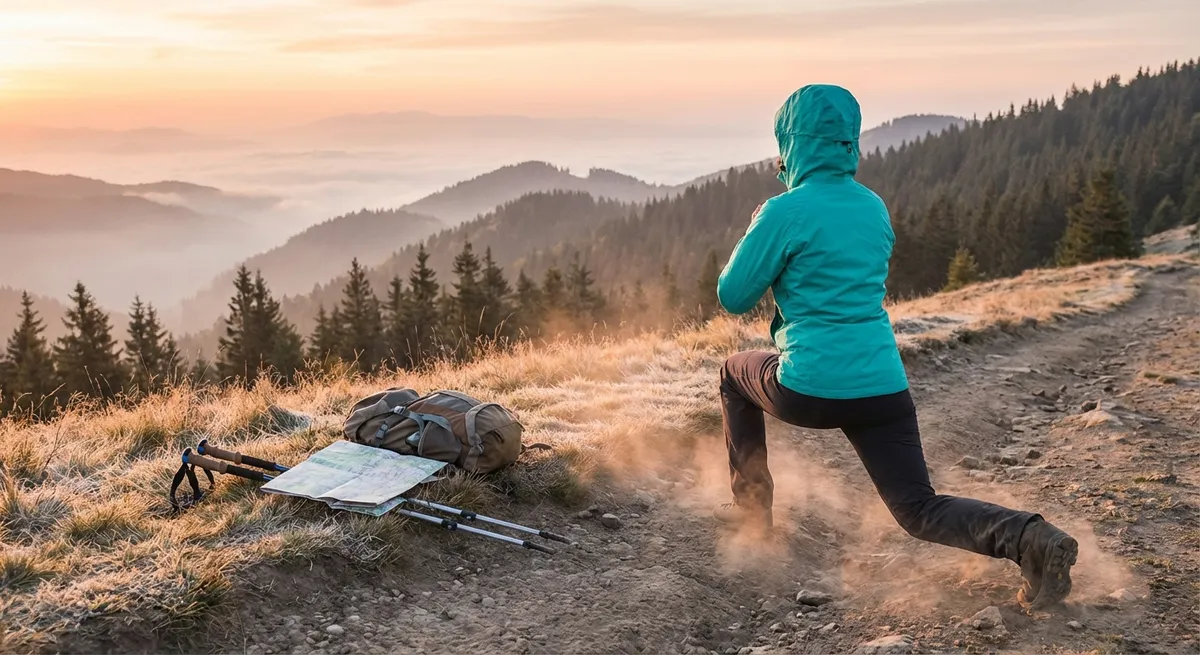
Outdoor workouts flip the script on standard tourism. Instead of scheduling a gym session around your sightseeing, your movement becomes the way you explore. Natural terrain pushes your stabilizer muscles, uneven ground tests your focus, and changing climates challenge your resilience in ways four walls never can.
Training outdoors has been linked to improved mood, lower perceived effort, and a deeper sense of vitality—exactly what you want when you’re crossing time zones and chasing sunrises. Fresh air and varied terrain can help keep your heart rate working at different intensities, turning even a simple jog into an interval session without you obsessing over your watch. Most importantly, outdoor workouts tap into a sense of play. Sprinting along a windy beach, scrambling up a rocky path, or powering through stairs in an ancient city lets you merge fitness with awe, transforming your routine into something unforgettable.
Destination Highlights: Where Landscapes Double as Gyms
Every corner of the globe offers its own “training ground”—you just have to recognize it.
In Cape Town, South Africa, Lion’s Head and Table Mountain give you quad-torching ascents with reward views that look like they belong on a movie poster. In Queenstown, New Zealand, lakeside paths and alpine trails turn ordinary runs into wilderness epics, with glacial peaks keeping you company like silent training partners. Barcelona’s beachfront promenade and seaside outdoor gyms let you cycle, run, and hit bodyweight circuits as the Mediterranean rolls in at your side.
On the other side of the world, Vancouver, Canada, wraps you in coastal rainforest and mountain access, letting you hammer hill sprints one day and power hike to panoramic viewpoints the next. Meanwhile, Mexico City’s Bosque de Chapultepec offers green escape routes for runners, walkers, and interval junkies who want intensity in the heart of a megacity. Wherever you land, ask: Where are the stairs, the parks, the waterfront, the trails, the rooftops? That’s your open-air training studio.
Building an Adventure-Ready Outdoor Workout
A powerful outdoor session doesn’t need equipment or a strict stopwatch; it needs structure and intention. Aim to blend strength, cardio, and mobility so your body is ready for whatever your destination throws at you—steep alleys, cobblestone streets, or last-minute surf lessons.
Start with a dynamic warm-up using the space you have: walking lunges, leg swings, arm circles, and a few easy jog intervals to ramp up your heart rate. Move into a circuit that uses your body weight and the environment—park benches for step-ups and triceps dips, railings for inclined push-ups, a staircase or hill for power climbs. Alternate high-intensity bursts (like 30–45 seconds of sprinting or fast stair climbs) with active recovery (easy walking or light jogging). Finish with stretches that match your trip demands: hip flexors and calves if you’re walking all day, shoulders and back if you’re hauling a pack.
The goal isn’t perfection; it’s consistency. These portable routines keep you grounded when travel schedules shift, helping you feel strong and centered whether you’re in a mountain town or a concrete jungle.
5 Active Travel Tips for the Fitness-Fueled Explorer
1. Turn “Getting There” Into Training Time
Treat your commute to sights, cafes, or viewpoints as built-in movement. Swap short rides for brisk walks, exploratory runs, or bike rentals. In cities like Amsterdam or Copenhagen, cycling is part of daily life—join in and let your quads do some cultural immersion of their own. On island getaways, walk the coastline instead of grabbing a cab, using sandy stretches as natural resistance training. This approach quietly turns every relocation—from hotel to museum, from hostel to harbor—into low-impact conditioning that adds up over the course of your trip.
2. Use Local Terrain as Your Personal Trainer
Let the landscape dictate your sessions. Coastal town? Use the beach for barefoot strides, lateral shuffles, and sand sprints that challenge your stabilizers and calves. Mountain village? Build a climb-focused workout with hike-run intervals up steep paths or staircases cut into the hillside. City built on hills, like Lisbon or San Francisco? Embrace hill repeats on those legendary streets, then walk back down to soak in the architecture between sets. Your workout becomes a conversation with the terrain: it pushes, you adapt, and together you carve memories into your muscles.
3. Pack Light, Train Hard: Minimal Gear, Maximum Options
A resistance band and a compact jump rope can transform any overlook, hostel courtyard, or quiet plaza into a training zone. Use the band for rows anchored around a sturdy pole, monster walks to fire your glutes before long days of exploring, and shoulder work to balance out all that backpack time. A jump rope gives you high-intensity cardio without needing much space—perfect for hotel terraces at sunrise or quiet corners of a park. Pair these tools with classic moves—push-ups, planks, squats, lunges, burpees—and you have a full-body routine that fits into any carry-on.
4. Plan One “Hero Session” Per Destination
Pick one unforgettable outdoor effort in each place you visit. It might be a sunrise hike above Rio de Janeiro, a long run along Sydney’s coastal paths, or a bike climb through the switchbacks above Lake Como. Research in advance, checking local recommendations, safety notes, and weather windows, then block it into your itinerary like a can’t-miss event. This “hero session” anchors your fitness around a story: every time you remember that city, you’ll remember not just what you saw, but how powerful you felt moving through it.
5. Train Like a Local: Join the Outdoor Rhythm of the City
Different destinations have their own movement culture—tap into it. In Rio, Copacabana and Ipanema fill with people doing beach circuits and bodyweight training at outdoor stations. In Tokyo, early-morning walkers and runners circle parks like Ueno or the Imperial Palace. In Paris, runners stream along the Seine at dusk. Watch where people gather to move, then join respectfully. You’ll pick up new workout ideas, feel safer in numbers, and slip into the pulse of the city in a way no guidebook can replicate.
Staying Safe and Strong on the Road
Pushing yourself in new environments is intoxicating—but smart preparation keeps the adventure sustainable. Respect altitude changes; if you’ve flown into a high city like La Paz or Cusco, give your body time before hammering hill sprints. Hydrate more than you think you need—especially in hot, humid destinations where sweat loss is deceptive. Sun, wind, and cold all hit differently outside; pack layers, sunscreen, and a hat so you’re ready for shifting conditions.
Check local guidance for trail conditions, park regulations, and wildlife or weather alerts before heading out. Urban training demands awareness too: stick to well-lit areas, avoid noise-canceling headphones at night, and let someone know your planned route whenever possible. Outdoor training should expand your confidence, not gamble with your safety, and a few deliberate choices go a long way toward making every session a story you’re proud to tell.
Conclusion
Every journey you take can sharpen not only your passport stamps, but your performance. When you lift with park benches, sprint along shorelines, and climb city staircases, you aren’t just staying “on track”—you’re building a version of fitness that’s woven into the memories of your travels. The mountains you climbed, the streets you ran, the beaches you trained on—they all become part of your story.
Step off the plane ready to move with the world, not just through it. Let each destination leave you a little stronger, a little braver, and a lot more alive.
Sources
- Centers for Disease Control and Prevention – Physical Activity Basics - Overview of recommended activity levels and health benefits of regular movement
- American Council on Exercise – Health Benefits of Outdoor Exercise - Explores mental and physical advantages of training outside
- Harvard T.H. Chan School of Public Health – Running and Walking for Health - Evidence-based look at walking and running as accessible cardiovascular exercise
- U.S. National Park Service – Hiking Safety Tips - Practical guidance on safe outdoor activity, useful for trail-based workouts
- Mayo Clinic – Exercise: 7 Benefits of Regular Physical Activity - Summarizes key benefits of consistent exercise, supporting an active travel lifestyle