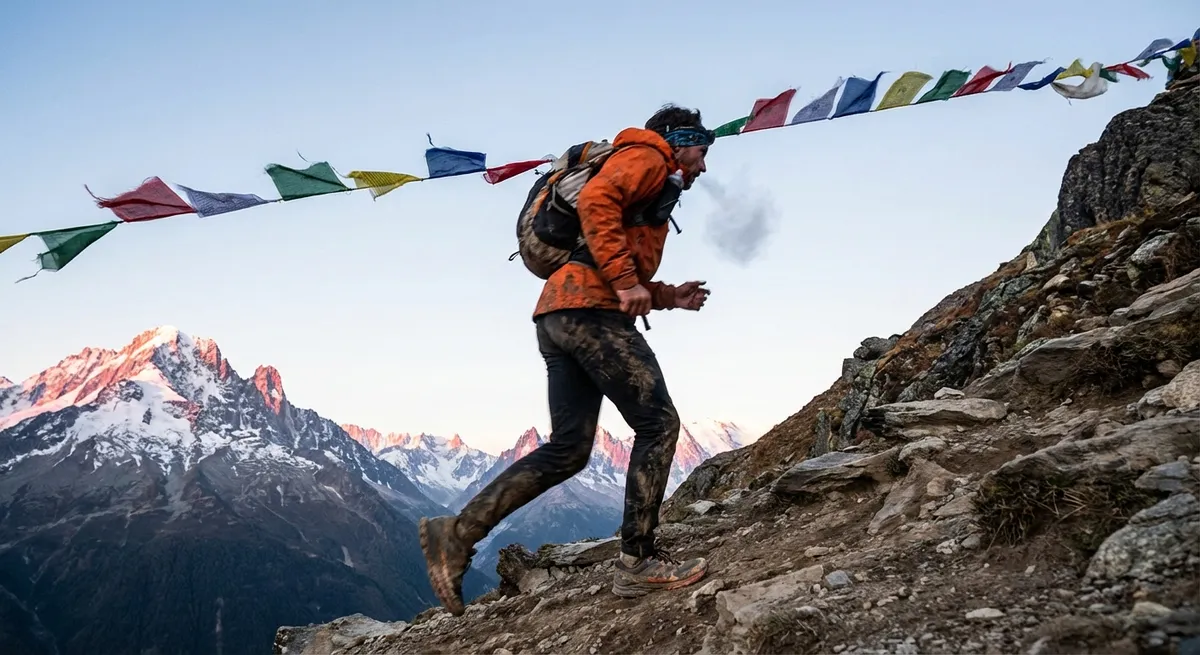
Building a Body Built for Horizons
Adventure fitness is less “beach body” and more “borderless body.” Instead of training for aesthetics, you train for capability: stamina to hike higher, strength to paddle longer, and mobility to move with confidence over unfamiliar ground. Think of your body as your primary piece of travel gear—lighter, stronger, more resilient with every active trip.
This means prioritizing functional movements: squats that mirror stepping up rock ledges, deadlifts that mimic hoisting a pack, and loaded carries that feel like lugging gear through a train station in Tokyo. Cardiovascular conditioning becomes less about treadmill numbers and more about being able to chase a bus in Bogotá or sprint across a monsoon street in Bangkok without feeling wrecked.
The payoff is huge. You stop planning vacations around what your body can’t do and start designing them around what it’s ready to explore. A “rest day” becomes wandering Lisbon’s hills, not collapsing in your hotel. Fitness turns from obligation into access—your ticket to the parts of a destination most travelers never touch.
Destination Highlights: Where the World Becomes Your Training Ground
Adventure fitness shines brightest when the landscape doubles as your playground. A few iconic regions serve as perfect examples of how geography can shape your workout:
1. Costa Rica’s Pacific Coast – Jungle Heat & Ocean Flow
On the Nicoya Peninsula, morning runs become sandy sprints along Playa Guiones, while the humidity transforms even a slow jog into a powerful conditioning session. Surf sessions in Tamarindo challenge your balance, explosive power, and endurance with every paddle and pop-up. Finish the day with bodyweight circuits in the shade of palm trees—push-ups, lunges, and core work between ocean dips.
2. The Dolomites, Italy – Vertical Strength & Endless Switchbacks
These jagged limestone peaks are a masterclass in uphill fitness. Steep via ferrata routes test grip strength and courage, while long hiking days train your legs to handle thousands of vertical feet. Each ascent rewards you not just with dramatic alpine vistas but with a deeper awareness of what your legs and lungs can do under load at altitude.
3. Queenstown, New Zealand – The Adrenaline Endurance Lab
Bungee jumps and jet boats get the headlines, but the real training gold lies in the lakeside trails and mountain ridges around Queenstown. Trail runs around Lake Wakatipu sharpen agility and pacing, while bike rides through the surrounding valleys blend steady-state cardio with breathtaking scenery that makes you forget you’re “working out” at all.
4. Azores, Portugal – Island Circuits in the Atlantic
On islands like São Miguel, you can stitch together volcano-crater hikes, coastal runs past hydrangea-lined roads, and ocean swims in natural lava pools. The constant rises and drops in elevation challenge your heart and legs, while the cooler Atlantic climate lets you push harder without overheating.
In all these places, the magic is the same: the land tells your body what kind of athlete it needs to be, and every step, stroke, or climb becomes part of your personal training story.
Five Active Travel Tips for Fitness-Obsessed Explorers
You don’t need a formal “fitness retreat” to turn your next trip into an immersive, full-body adventure. These five tips help you script movement directly into your journey.
1. Program Your Itinerary Like a Training Week
Treat each travel day as if you’re planning a training microcycle:
- Power days: Schedule your most demanding activities—long hikes in Patagonia, summit attempts in the Rockies, intensive surf sessions in Bali—when you’re freshest (usually days 2–4 after arrival).
- Endurance days: Plan long, lower-intensity explorations: cycling through rice paddies in Vietnam, walking-heavy city days in Lisbon, or gentle coastal hikes in Cornwall.
- Recovery days: Build in active recovery: slow swims, yoga by the sea in the Canary Islands, or a sunset stroll along Cape Town’s Sea Point Promenade.
This approach keeps you from stacking every brutal activity into one exhausting block and reduces your risk of injury or burnout mid-trip.
2. Pack a “Micro-Gym” That Fits in Your Daypack
You don’t need a hotel fitness center when you’ve packed smart. A minimalist adventure fitness kit might include:
- Light resistance band: Perfect for warmups, glute activation before hikes, or upper-body circuits in a park.
- TRX-style suspension trainer or lightweight straps: Anchor to a sturdy tree, railing, or beam for rows, push-ups, and core work anywhere from a Balinese villa to a Norwegian fjord viewpoint.
- Compact jump rope: Great for quick, explosive cardio sessions when you’re short on time or space.
- Travel yoga mat or foldable mat: Ideal for mobility work in airports, hostels, or beaches at sunrise.
With these tools, you can maintain strength and mobility in just 20–30 minutes a day, whether you’re overlooking a canyon or passing time during a long layover.
3. Let Local Terrain Dictate Your Workout Focus
Instead of forcing your usual gym routine onto a totally different environment, let the destination guide your weekly “training block”:
- Mountain regions (e.g., Swiss Alps, Colorado Rockies): Emphasize hiking, stair climbs, hill sprints, and loaded carries (backpack hikes). Use hotel stairs for short interval sessions if weather turns.
- Coastal areas (e.g., Portugal’s Algarve, Australia’s Gold Coast): Focus on running or hiking along cliffs and beaches, ocean swimming, surfing, paddling, and sand-based strength circuits (walking lunges, bear crawls, plank variations).
- Urban jungles (e.g., Tokyo, Bogotá, Istanbul): Embrace walking and stair mileage; do sunrise runs along rivers or waterfronts; use city parks for bodyweight circuits and mobility.
By aligning your training with the landscape, you not only stay fit—you experience the place in a deeper, more physical way.
4. Track Effort, Not Just Distance
It’s tempting to chase big numbers when you’re adventuring: “20 km hike” sounds impressive; “15,000 steps” looks great on your watch. But adventure fitness is more about intensity and sustainability than raw mileage.
Use simple effort-based guidelines:
- Easy efforts: You can talk in full sentences (perfect for exploratory walks, mellow rides, or gentle hikes with views).
- Moderate efforts: You can talk but not sing (great for steady runs or longer uphill hikes).
- Hard efforts: Speaking is limited to short phrases (best saved for occasional hill sprints, steep climbs, or intense surf sessions).
Balancing these three zones across your trip helps you avoid overtraining and keeps you energised enough to actually enjoy the destination, not just survive it.
5. Treat Recovery as a Cultural Experience, Not a Chore
Recovery doesn’t have to be an isolated stretch session in your room—it can be one of the most immersive parts of your travels if you pair it with local customs:
- In Japan, book an onsen visit; the heat, minerals, and ritual of slow bathing can help ease sore muscles and calm your nervous system.
- In Iceland, let geothermal pools double as active recovery, gently moving and stretching in the water between soaks.
- In Finland, traditional sauna culture offers contrast therapy—heat followed by cold plunges or snow—that can aid circulation and help your body bounce back from hard days.
- In Mediterranean regions, slow seaside walks at sunset and leisurely, nutrient-dense meals—olive oil, fish, vegetables—support both physical recovery and mental reset.
You’re not “skipping a workout”; you’re training longevity. Recovery on the road is what lets you say yes to the next spontaneous trail, wave, or summit.
Conclusion
Adventure fitness is the art of treating the world as your gym and your body as a passport to experiences most travelers only see on postcards. When you step onto a trail in the Dolomites, dive into the Pacific off Costa Rica, or jog silently through a waking city, you feel the quiet truth: you didn’t just bring your body on this trip—you built it for this trip.
The more you design your travels around movement, the more every journey reshapes you. Your quads remember the climbs. Your lungs remember the altitude. Your mind remembers the moment you pushed past “I can’t” into “I did.” And when you fly home, the adventure doesn’t end; it becomes the fuel for the next one.
Train for horizons. Pack for motion. Let the world write your workout plan—and let your fitness be the reason you never have to say no to a beautiful, wild idea.
Sources
- Centers for Disease Control and Prevention – Physical Activity Guidelines for Adults - Evidence-based recommendations on aerobic and muscle-strengthening activity that can inform safe adventure fitness planning
- American College of Sports Medicine – ACSM’s Tips for Safe and Effective Strength Training - Guidance on functional strength work relevant to carrying packs, climbing, and outdoor activities
- Harvard T.H. Chan School of Public Health – Benefits of Physical Activity - Overview of how regular movement supports cardiovascular health and endurance for active travel
- Mayo Clinic – Overtraining: How to Avoid It - Information on balancing intensity and recovery, crucial for multi-day adventure trips
- New Zealand Department of Conservation – Plan and Prepare for Your Trip - Practical advice on preparing physically and logistically for outdoor adventures in demanding terrain