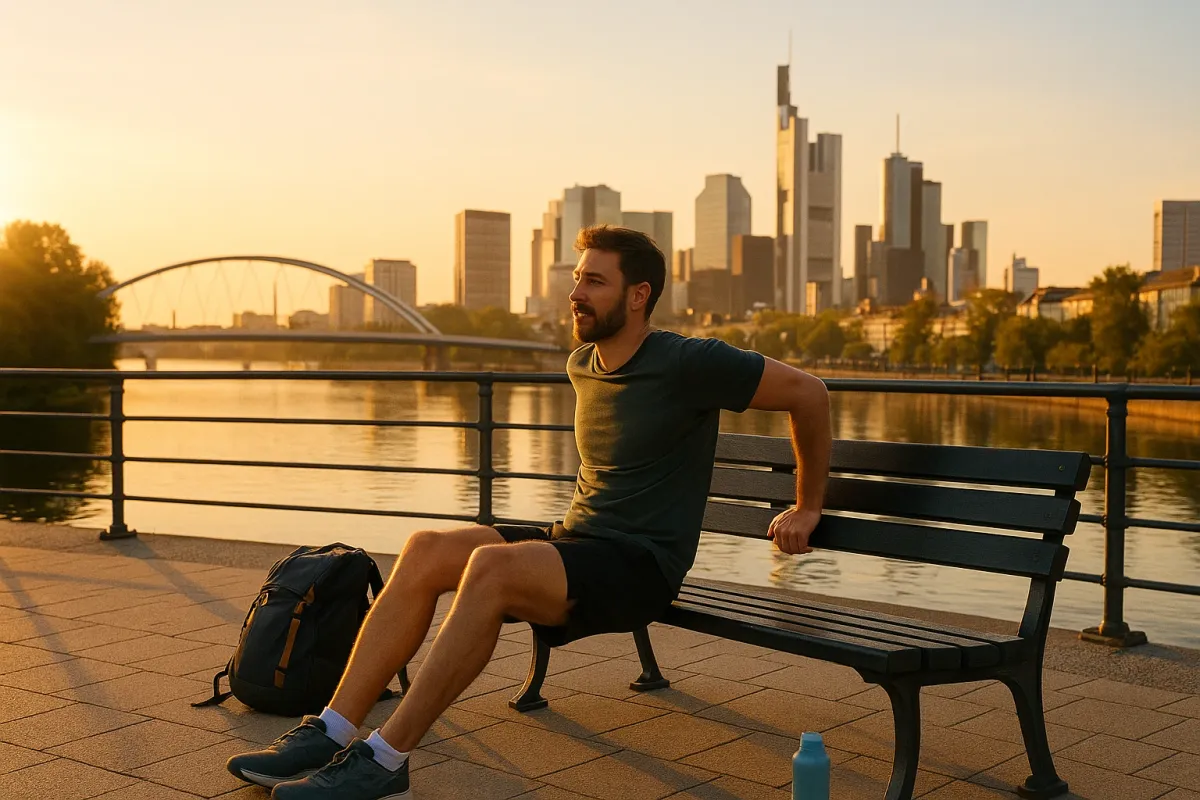
As social media continues to buzz with clips of parents turning playgrounds into calisthenics parks, travelers sneaking in sunrise stair sprints at historic landmarks, and remote workers taking “walking meetings” through city parks, one thing is clear: fitness is escaping the gym. This guide is your invitation to join that movement—to turn every trip into an outdoor training ground and every destination into part of your fitness story.
Map Your Moves to the Local Landscape
Before you land in a new city, think like an explorer, not a tourist. Open Google Maps or AllTrails and scout for waterfront promenades, urban parks, staircases, hills, and riverside paths. Right now, cities from Paris to New York are expanding cycling lanes and pedestrian zones, making it easier than ever to move your body outdoors without dodging traffic. Layer in local intel: check Instagram location tags or Strava heatmaps to see where runners, cyclists, and skaters actually go.
Once you arrive, walk your “training zone” on day one. That could be a boardwalk in Barcelona, a canal path in Amsterdam, or a city overlook in Lisbon. Notice where you can safely sprint, where park benches become step-up stations, and where shaded corners are perfect for a quick stretch session. Instead of squeezing your workout into a hotel gym, you’re weaving it into the soul of the place you’re visiting—breathing its air, feeling its terrain, and letting the city shape your session.
Turn Viral Trends Into Real-World Adventures
Social feeds are packed right now with outdoor fitness trends: “silent” outdoor discos, stroller runs, group sunrise yoga, even rooftop bodyweight circuits. Use those trends as sparks, not scripts. If you’ve seen creators posting their “hot girl walk” or “mental health walk,” recreate your own version in a new destination—maybe it’s a 60-minute power walk through Seoul’s riverfront or a reflective evening stroll along the Thames in London.
Challenge yourself to swap passive scrolling for active exploring. Instead of saving yet another workout reel, pick one movement pattern—walking lunges, hill sprints, bench dips, yoga flows—and “drop it” into your next trip. For example, if a parkour clip caught your eye, you don’t have to jump rooftops in Marseille, but you can practice balance and creative movement on curbs, low walls, and railings in a local plaza. Let online trends be the starting line; the real adventure happens when your shoes hit the ground.
Build a Minimalist “Adventure Kit” You Can Carry Anywhere
Outdoor workouts reward travelers who pack smart and light. Think of your bag as a mobile base camp. A compact resistance band, a jump rope, and a lightweight travel mat can turn any courtyard, rooftop, or lakeside spot into a training zone. With airlines and rail companies tightening baggage rules and fees, it’s never been more crucial to curate gear that earns its place in your pack.
Look for quick-dry, multi-use clothing you can wear on a trail in the morning and to a café in the afternoon. A collapsible water bottle is essential now that many airports and cities have refill stations to cut plastic waste. Add a packable cap, sunglasses, and a minimalist first-aid kit for blisters and scrapes. This kit gives you freedom: if you spot a sunrise-worthy hill in Cape Town or a quiet pier in Vancouver, you’re five minutes away from a fully functional outdoor workout—with zero need for fancy equipment or a day pass.
Sync Your Sweat With Local Culture and Nature
Instead of forcing your usual gym routine into a new environment, let the destination lead. If you’re in a coastal city like Sydney or Rio, your “leg day” might turn into sand sprints and ocean swims. In mountain hubs like Innsbruck or Queenstown, hiking and stair climbs can replace treadmill inclines. Right now, many destinations are promoting “active tourism”—think walking tours, public bike shares, and guided nature excursions—perfect for travelers who want their workouts to double as exploration.
Pay attention to local rhythms too. In hotter regions, residents are shifting runs and rides to the cool bookends of the day—dawn and dusk. Join them. Catch sunrise runs along the Seine before Paris wakes up, or twilight jogs through Tokyo parks lit softly by lanterns. Use your senses as training tools: pace your breath with the sound of waves, match your stride to street music, and allow the scenery to dictate intervals—sprint between bridges, recover at viewpoints, and drop into two-minute bodyweight circuits in quiet plazas. You’re not just burning calories; you’re syncing to the heartbeat of the place.
Prioritize Safety So You Can Keep Chasing the Next Horizon
The most adventurous outdoor workout is the one you’re healthy enough to repeat tomorrow. With more travelers sharing solo runs and hikes on social media, safety needs to be part of the conversation. Start by checking local news, forums, or tourism sites for any current advisories about trails, air quality, or weather extremes—especially in regions dealing with heatwaves, storms, or wildfire smoke. If in doubt, move your session to earlier or later in the day, or shift intensity.
Share your route and expected return time with a friend or family member, and consider using live-location features in apps like WhatsApp or Strava when training alone. In busier urban areas, stick to well-lit, populated paths, and leave noise-cancelling headphones in your bag so you can stay aware of your surroundings. Hydration and sun protection are non-negotiable, especially in destinations closer to the equator. The goal is not just to push your limits, but to protect your ability to keep exploring new landscapes, new cities, and new versions of yourself.
Conclusion
The global conversation around outdoor movement is changing right now—from “working out” to “getting outside and living.” Cities are adding more car-free space, travelers are choosing active experiences over passive sightseeing, and feeds are flooded with people turning ordinary sidewalks and staircases into extraordinary arenas of self-discovery.
You don’t need a perfect plan or a personal trainer in tow. You need a willingness to step outside, pay attention, and let the world become your training partner. On your next trip, skip the treadmill. Chase the sunrise, climb the stairs, sprint the pier, breathe in the wind, and remember: every street can be a starting line, and every journey can make you stronger than the last.