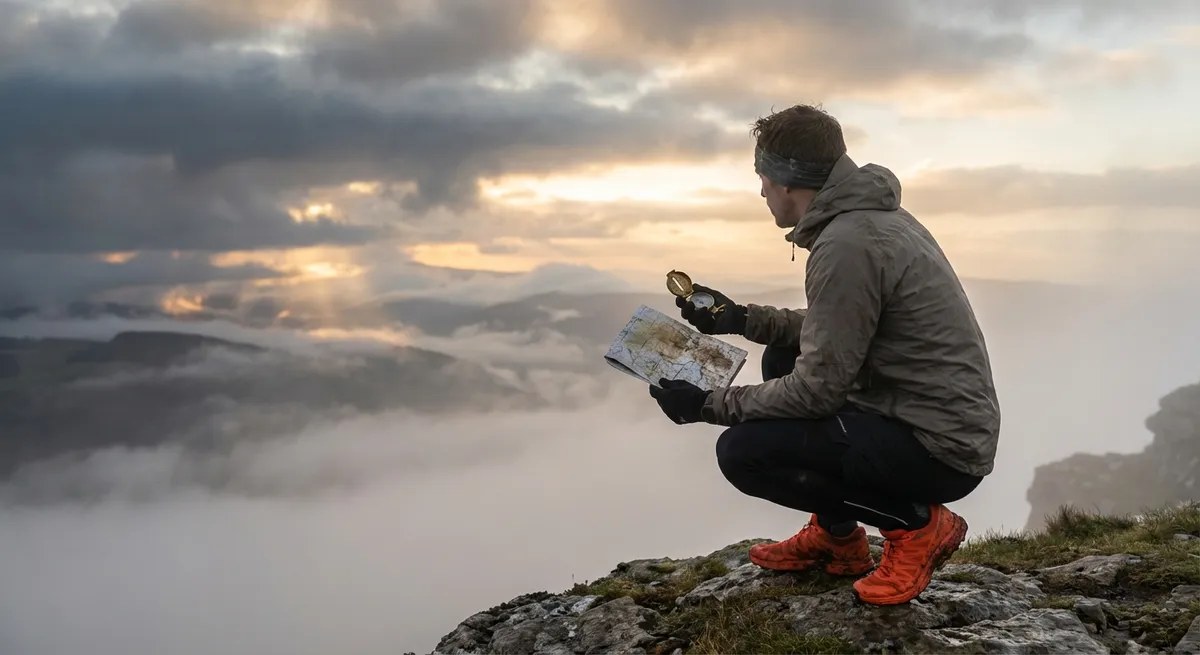
Below are five powerful active travel tips, each paired with destination inspiration to ignite your next journey and your next PR.
Move First, Wander Further
Your first mission in a new destination: move your body before you move your bags into “vacation mode.” A short workout within the first 12–24 hours helps reset your internal clock, shake off jet lag, and anchor you in the new environment. Think of it as planting a flag: “I’m here, and I’m ready.”
In Tokyo, lace up for a sunrise run around the Imperial Palace loop—broad sidewalks, well-marked paths, and locals out for their morning miles create an instant sense of belonging. In Vancouver, hit the Seawall around Stanley Park for a sunrise jog or power walk with mountain and ocean views trailing you like a personal fan club.
This doesn’t have to be intense. A 20–30 minute session of easy running, brisk walking, mobility work, or a hotel-room strength circuit cues your brain that this trip isn’t an escape from your fitness—it’s the next level of it.
Active Travel Tip #1: Schedule a “landing workout” into your itinerary.
Before you leave, literally block out 30–45 minutes on your arrival day for a gentle but intentional session. Treat it as non-negotiable, like picking up your luggage or checking in. You’ll explore sooner, sleep better, and feel the destination in your muscles from day one.
Train Like a Local, Not Like a Tourist
Gyms are fine—but local movement culture is unforgettable. Every region has its own way of sweating: coastal surf towns, mountain trail communities, city cycling tribes, park bootcamps at dawn. When you step into these scenes, you don’t just burn calories; you plug into the heartbeat of a place.
In Rio de Janeiro, you’ll see outdoor gyms dotted along Copacabana and Ipanema, crowded with locals doing bodyweight strength under the open sky. In Copenhagen, bike lanes are highways of cyclists commuting, training, and socializing on two wheels. In Seoul, public parks buzz with group stretching and community exercise machines, open to everyone.
Active Travel Tip #2: Before you arrive, research how locals move.
Search for running clubs, group hikes, sunrise yoga, outdoor calisthenics parks, or community rides. Ask your accommodation host or local café barista where people work out. Join one class, one run, or one park session. You’ll return with more than photos—you’ll bring back a new way to train.
Turn Terrain Into Your Training Partner
Your environment is the most versatile gym you’ll ever step into. Sand resists your stride, altitude tests your lungs, cobbled streets challenge your balance, and steep staircases turn your quads into fire. When you start seeing terrain as equipment, every destination becomes a playground.
In Cape Town, Lion’s Head offers a steep, scrambly ascent with 360-degree views of ocean and city—a natural interval session in trail form. In Lisbon, hills and endless staircases thread through pastel neighborhoods; walking there counts as strength and cardio combined. In Queenstown, New Zealand, lakeside paths lead into undulating trails that recruit stabilizer muscles your treadmill never meets.
Active Travel Tip #3: Match your training to the landscape.
- Coastal towns: Use the sand for sprints, walking lunges, and barefoot stability work.
- Mountainous regions: Plan hikes or trail runs as “long, slow training days” with epic elevations.
- Historic cities: Turn staircases and hills into mini hill repeats or step-up workouts.
- Flat, bike-friendly hubs: Rent a bike and replace a standard gym day with a long, exploratory ride.
Design a rough weekly plan where at least half your “workouts” are powered by the environment. Your body adapts, and your sense of place deepens.
Pack Light, Train Heavy (With Almost No Gear)
Your backpack doesn’t need a full gym to keep your strength sharp. A couple of smart, lightweight items plus your own bodyweight can maintain (or even improve) your fitness on the road. The trick is knowing what to bring—and how to turn minimal gear into maximal challenge.
A compact suspension trainer or resistance band weighs almost nothing but transforms any doorway, tree, or railing into a multi-station setup. A jump rope can fire up your cardio in a tiny hotel room or courtyard. Add a foldable yoga mat or microfiber towel, and you’ve got a mobile studio.
From Mexico City rooftops to Bali guesthouse gardens to small-town squares in the Dolomites, quiet corners are everywhere if you look for them. You don’t need an hour—20 focused minutes can be enough.
Active Travel Tip #4: Build a “mobile micro-gym” packing list.
Aim for:
- 1–2 long resistance bands or a light suspension trainer
- 1 jump rope
- 1 packable mat or towel
- A short list of go-to bodyweight moves (squats, push-ups, hinges, planks, split squats, burpees)
Write or save 3–5 “anywhere workouts” on your phone before leaving. That way, when you find a park bench in Paris or a shady plaza in Buenos Aires, you’re ready to train instead of scrolling for ideas.
Let Your Adventures Count as Training (And Track It)
Sometimes the best “workout” is a full day of movement disguised as adventure. Multi-hour hikes, long city walking days, kayaking trips, surf lessons, climbing sessions, and ski days torch energy, spark joy, and build the kind of durable endurance that lab treadmills can’t touch.
Picture yourself trekking the rugged trails of Patagonia, crossing suspension bridges while your pack feels heavier with every step. Or paddling along the Croatian coast, shoulders burning as you slip past hidden coves and stone villages. These are not rest days—they’re unforgettable training days.
Active Travel Tip #5: Log your adventure days like training days.
Use a fitness watch or app to:
- Track step counts and elevation gain on urban exploration days
- Log hikes and paddles as endurance workouts
- Tag surf, climbing, or ski sessions as skill and strength work
- Note how you felt (energy, soreness, mood) for future planning
This mindset shift is powerful: instead of lamenting missed “gym time,” you’ll recognize that your body is working, adapting, and growing through every bold choice you make out there.
Conclusion
You don’t have to choose between your wanderlust and your workout. You can chase sunrises and split times in the same breath. When you move first, train like a local, harness the terrain, pack smart, and log your adventures as training, every trip becomes a chapter in the story of your strongest self.
The map is wide open. The world is waiting with staircases, trails, waves, ridgelines, bike lanes, and open-air gyms. The next stamp in your passport can also be the next leap in your fitness.
Wherever you’re headed next, don’t just go there—grow there.
Sources
- U.S. Centers for Disease Control and Prevention – Travel and Health - Guidance on staying healthy and active while traveling internationally
- Harvard Health Publishing – Benefits of Exercise - Research-backed overview of how regular physical activity boosts health and wellbeing
- American College of Sports Medicine – ACSM’s Guidelines for Exercise Testing and Prescription - Foundational standards for safe and effective fitness programming
- World Health Organization – Physical Activity Fact Sheet - Global recommendations for activity levels and the impact of movement on health
- Copenhagen Tourism – Biking in Copenhagen - Example of a destination where local culture and infrastructure encourage active travel