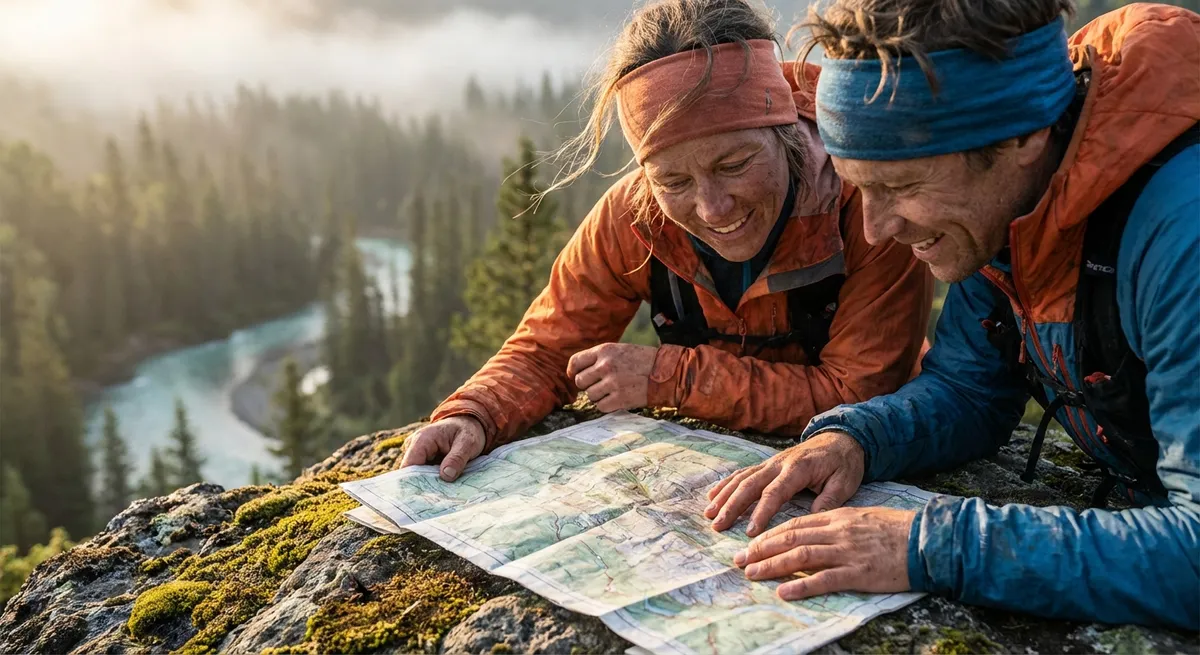
This is your invitation to turn your next trip into a living, breathing chapter of your fitness story—where every border crossed is another mile earned, every landscape a new way to move.
What Is Adventure Fitness, Really?
Adventure fitness lives in the space where training meets exploration. It’s less about chasing a perfect workout split and more about chasing moments that challenge your body and wake up your sense of awe. Think backcountry trekking in Patagonia, sunrise surf sessions in Bali, cycling coastal roads in Portugal, or scrambling volcanic ridgelines in the Canary Islands.
Instead of asking “Where is the nearest gym?”, you ask “What does this place make possible?” Rocky coasts invite climbing and trail runs. Alpine towns beg for elevation hikes and ski tours. Island chains tease you with open-water swims and paddle sessions. The world becomes a playground that changes you physically and mentally.
You’ll still care about strength, stamina, mobility, and recovery—but they’re no longer abstractions. They’re the reason you can power up steep temple steps in Kyoto, handle a multi-day trek in Nepal, or kayak across a glassy fjord in Norway without burning out. Adventure fitness turns your training into a ticket to bigger, wilder experiences.
Destinations That Make You Want to Move
Some places are so alive with terrain and texture that they practically drag you out the door. Here are a few regions that call to the adventure-hungry traveler:
- Norway’s Fjord Country – Jagged peaks, icy blue water, and trails that climb straight into the clouds. Hike to Trolltunga or Preikestolen and feel your legs burn as the world opens beneath you.
- New Zealand’s South Island – Glaciers, alpine lakes, and ridgelines that seem pulled from a fantasy novel. Run sections of the Routeburn Track, mountain bike Queenstown’s networks, or paddle Milford Sound at sunrise.
- Peru’s Sacred Valley – High altitude, ancient stonework, and terraced hillsides that double as natural stair machines. Trek to Machu Picchu via the Inca Trail or lesser-known routes like Salkantay for a powerful blend of culture and cardio.
- Azores, Portugal – Lush crater lakes, coastal cliffs, and hot springs to soak in after you’ve put in the miles. Trail run around Sete Cidades, free-dive in volcanic caves, or cycle the rolling interior roads.
- Vancouver & the Sea-to-Sky Corridor, Canada – Within a day you can paddleboard city-side, trail run in dense forest, and climb granite cliffs in Squamish. This is a living laboratory for multi-sport days.
These aren’t just pretty backdrops. They’re dynamic training environments—altitude, terrain variety, and changing weather all push your fitness in ways a climate-controlled gym never will.
5 Active Travel Tips for the Adventure-Obsessed
1. Plan Your Trip Around One “Anchor Challenge”
Instead of building your adventure around sightseeing and squeezing in a workout “if there’s time,” flip the script. Choose one anchor challenge and build the rest of your itinerary around it.
Your anchor could be:
- A 3-day trek in Torres del Paine
- A coastal bike route in Croatia
- A hut-to-hut run in the Dolomites
- A surf camp in Costa Rica
- A long-distance kayak day in the San Juan Islands
- Structure your arrival days as lighter movement days (walks, mobility, easy swims).
- Add one or two “play sessions” around it—like exploring local bouldering spots or renting a SUP for an hour.
- Wrap the trip with a recovery-focused day: hot springs in Iceland, hammam in Morocco, onsen in Japan, or simply a gentle urban stroll.
Once that’s locked:
Your anchor challenge becomes the heartbeat of your trip—and the training goal that keeps you honest in the months leading up to departure.
2. Treat Terrain as Your Training Partner
Every landscape offers a different way to move—lean into it instead of fighting it.
- Hills & Mountains: Use hikes as low-impact strength and cardio. Power up, then jog or hike slowly on descents to save your joints. Add mini “hill intervals” on shorter climbs: 30 seconds strong effort, 60 seconds easy.
- Coasts & Islands: Beaches mean soft-sand runs, stair sprints up cliff paths, and bodyweight circuits at sunrise. Water gives you swims, paddleboarding, surfing, and kayaking for full-body endurance.
- Cities: Urban exploration is still adventure. Turn staircases, parks, and riverwalks into a moving circuit. Walk or bike between neighborhoods and tack on short bodyweight sessions in plazas or green spaces.
- Forest & Jungle Trails: Uneven ground sharpens agility and coordination. Shorten your stride, stay light on your feet, and use roots and rocks for step-ups, lateral hops, and balance drills.
Ask a simple question wherever you land:
“What movements does this place invite?”
Then answer it with your body.
3. Pack a “Micro Gym” That Fits in Your Daypack
You don’t need a trunk full of gear to stay adventure-strong. Build a micro gym kit that weighs almost nothing and travels anywhere:
- Light resistance band – For rows, pull-aparts, glute activation before long hikes.
- Mini loop band – Perfect for hip work and warm-ups at the trailhead.
- Compact jump rope – High-intensity conditioning in tiny spaces.
- Lacrosse or massage ball – For quick self-massage after long flights or big days out.
- Collapsible water bottle – Hydration is performance; portable makes it practical.
- Warm up in a hostel courtyard before a trail run.
- Do a 15-minute strength reset in your Airbnb after hours on a bus.
- Hit a quick conditioning session on the beach before a sunset swim.
With this kit, you can:
Your gear shouldn’t weigh you down; it should unlock more of the landscape without demanding a gym membership.
4. Train Smart for Altitude, Heat, and Long Days
Adventure fitness isn’t just about muscle—it’s about adaptability. Different environments stress your body in unique ways. Plan ahead so you can enjoy the effort instead of battling burnout.
- Altitude (e.g., Andes, Himalayas, Rockies):
- Arrive with a solid aerobic base from regular running, cycling, or brisk hiking.
- Scale back intensity the first 48–72 hours; go slower than you think you need.
- Hydrate aggressively and listen hard to signs of altitude sickness (headache, nausea, unusual fatigue).
- Heat & Humidity (e.g., Southeast Asia, Central America):
- Train with some heat exposure at home if possible (hotter runs, layered clothing).
- Move hardest at dawn or dusk; stay in the shade mid-day.
- Focus on electrolytes as much as water—your performance and safety depend on it.
- Long Back-to-Back Days:
- Emphasize leg and core endurance pre-trip: step-ups, lunges, loaded carries.
- Practice active recovery: easy walks, gentle mobility, short dips in cold water.
- Sleep becomes part of your training; guard it like your passport.
Proper prep lets you say “yes” to the big days—summit pushes, multi-peak routes, long paddles—without paying for it for the rest of the trip.
5. Make Recovery an Adventure Too
The most underrated part of adventure fitness is what happens between the peaks, summits, and big days. Recovery doesn’t have to be passive; it can be part of the experience.
- Slow Exploration Days: Wander markets, explore side streets, visit museums. Keep moving, but gently—let blood flow help repair your muscles.
- Local Recovery Traditions:
- Japan: Soak in an onsen after a hike.
- Iceland: Float in geothermal pools post-glacier walk.
- Finland: Sauna sessions between ski days.
- Turkey & Morocco: Hammam visits after long city or desert treks.
- Breathwork with a View: Take 5–10 minutes for deep, slow breathing facing a lake, summit, or skyline. You’ll drop your heart rate, improve sleep, and deepen your memory of the place.
- Nourish Like a Local Athlete: Seek out simple, whole foods—grilled fish in coastal towns, lentils and grains in mountain villages, fresh fruits where they grow wild. Think of each meal as part of your recovery protocol, not just a reward.
When you honor recovery, you don’t just avoid injury—you unlock more days of saying “Let’s keep going.”
Building Your Own Adventure Fitness Story
You don’t need to quit your job and move into a van to live an adventure-fitness lifestyle. You need two things: curiosity and commitment.
Curiosity asks:
- “What would it feel like to run along that ridgeline?”
- “Could I paddle across that bay?”
- “What’s on the other side of that pass?”
- Training a few extra months so that trek feels strong instead of barely survivable.
- Saying no to purely sedentary itineraries and yes to trips with built-in movement.
- Trusting that your best moments won’t be watched from a bus window, but earned step by step, stroke by stroke, breath by breath.
Commitment answers with action:
Your passport can be more than a stamp collection—it can be a record of every time you chose the trail over the tour bus, the paddleboard over the pool chair, the sunrise run over the snooze button.
The world is wide, your body is capable, and adventure is waiting just beyond the edge of your comfort zone. Lace up, look up, and let your next destination write a stronger, wilder version of you.
Sources
- Centers for Disease Control and Prevention – Physical Activity Basics - Overview of recommended activity levels and benefits of regular movement for health and longevity
- American College of Sports Medicine – Hiking for Health - Explains fitness benefits of hiking and considerations for trail-based exercise
- Centers for Disease Control and Prevention – Travel to High Altitudes - Guidance on acclimatization, performance, and safety when exercising at elevation
- Harvard T.H. Chan School of Public Health – Exercising in the Heat - Evidence-based advice for working out safely in hot environments
- National Park Service – Hiking Tips - Practical safety, preparation, and on-trail strategies for active outdoor adventures