Why Your Strongest Workouts Might Be Outside
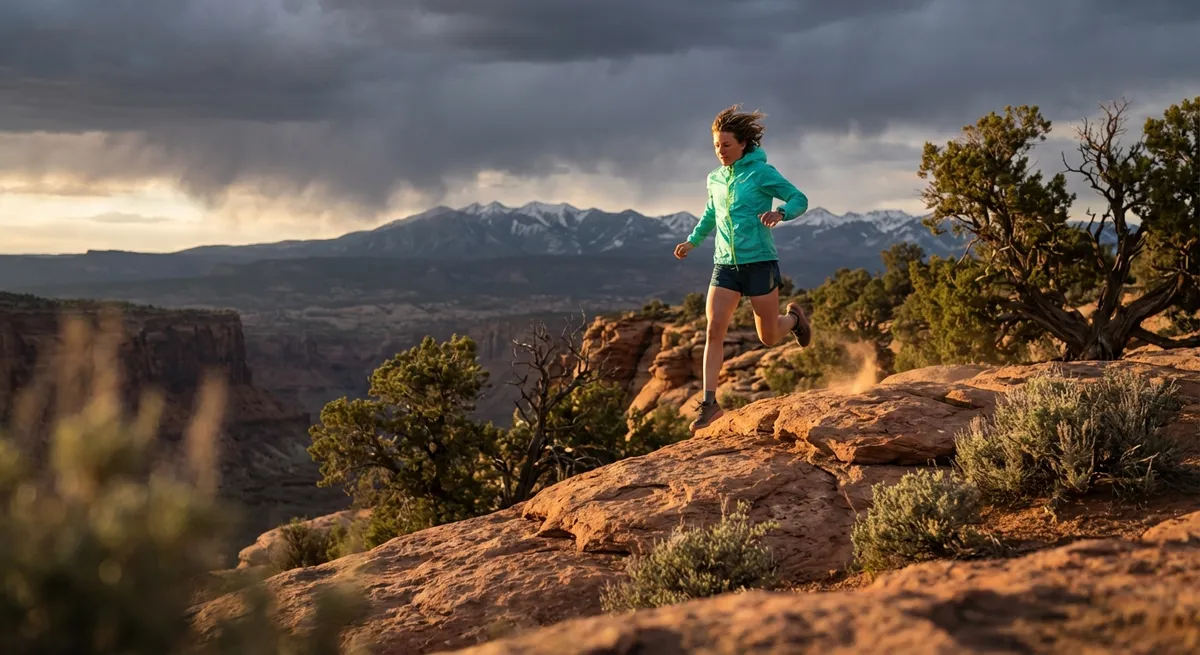
When you trade fluorescent lights for sky and skyline, your body responds differently. Uneven terrain forces your stabilizer muscles into action, from your ankles to your core, building strength and resilience that a flat treadmill can’t touch. Natural variations—like wind resistance, temperature shifts, and changing ground surfaces—create a kind of built-in interval training that keeps your heart guessing and your mind awake.
Nature also has a documented effect on mood and stress. Exposure to green and blue spaces has been linked to improved mental well-being and reduced anxiety, which can boost workout satisfaction and consistency. That means your hill sprints in a park or beach circuits at dusk aren’t just sculpting your quads—they’re also rewiring your relationship with effort and exhaustion. Outdoors, “tired” often feels a lot more like “alive.”
Crafting an Adventure-Ready Outdoor Routine
To turn any destination into your training ground, think in elements, not equipment. Bodyweight moves—squats, lunges, push-ups, planks, step-ups—become the backbone of a routine that can travel in your carry-on. Add short bursts of power like jumps, sprints, or bounding up stairs, and you’ve got a full-body session that demands nothing but commitment and a patch of earth.
Structure your sessions around simple patterns you can plug into new locations. For example, a “landmark ladder”: pick a visible target (a tree, statue, or lifeguard tower), work hard until you reach it (run, lunge-walk, or bear crawl), then recover walking back. Or use time blocks instead of reps: 40 seconds of work, 20 seconds of rest, cycling through 5–6 exercises. This frees you from counting and lets you tune into your surroundings—the rhythm of waves, the chatter of a foreign city, or the quiet of a forest trail.
Destination Highlights: Turning Landscapes Into Gyms
Every landscape offers a different style of workout—and a different story your muscles will remember.
On coastal escapes, beaches become resistance trainers. Soft sand demands more effort from your calves, glutes, and core, turning even a slow jog into a powerful strength builder. Start near the waterline where sand is more compact, then move higher for higher-intensity efforts. Finish with a salt-air cooldown: walking ankle-deep in the surf to gently massage and cool your feet.
In mountain towns or highland regions, altitude and elevation gain become your secret weapons. Hiking steep trails with deliberate, powerful steps doubles as a lower-body strength session and serious cardio. Use switchbacks for interval training: hike hard for two minutes, then ease off for one as you take in the view. Watch how your breathing adapts over a few days—and how your sea-level workouts feel surprisingly lighter afterward.
Urban escapes are a playground in disguise. Staircases morph into conditioning tools, benches turn into platforms for step-ups and triceps dips, and riverside paths offer smooth ground for tempo runs or long walks. Treat the city like an obstacle course: vault low railings (if safe and allowed), power-walk up long escalators, and use plazas for dynamic warmups at dawn before the crowds appear. The skyline becomes your backdrop, but effort is still the main attraction.
Five Active Travel Tips for Relentless Fitness Adventurers
1. Train With the Clock, Not Just the Map
Don’t wait to “find a perfect spot.” Choose a time window—say 20–30 minutes each morning—and commit to moving wherever you are. A hotel courtyard, parking lot edge, quiet corner of a park, or boardwalk all qualify. Pair a simple bodyweight circuit with a steady jog or walk, and you’ve locked in a non-negotiable daily ritual that survives delayed flights and surprise detours.
2. Pack a Micro-Gym in Your Daypack
Weight is precious, but a few smart tools transform any destination into a high-performance arena. A light resistance band, a mini-loop band, and a compact jump rope take almost no space yet unlock strength, power, and conditioning options. Use bands for rows with a sturdy pole, lateral walks in a park, or glute activations before hikes. The jump rope gives you a no-excuses cardio option in alleys, rooftops, and tiny hotel balconies.
3. Let Terrain Decide Your Focus
Instead of forcing a preset gym-style routine onto every place, let the environment dictate your emphasis. Mountains? Make it a leg-and-lungs week with hikes, hill repeats, and stair climbs. Beach town? Emphasize core and lower body with sand sprints, crawling drills, and swimming sessions if conditions allow. Flat, bike-friendly cities? Rent a bike and turn active commuting into low-impact endurance training. You evolve faster when you adapt your training to the terrain, not the other way around.
4. Chase Sunrises and Sunsets for Built-In Motivation
Early morning and late-day sessions are not just about aesthetics—they also come with cooler temperatures, quieter paths, and often safer conditions. Use sunrise runs or walks to scout a new destination before it gets crowded, spotting staircases, parks, and waterfront paths you can return to later. Sunset is perfect for slower, strength-focused sessions or mobility flows that help your body recover from a big day of movement and exploration.
5. Program “Move Days” Instead of “Rest Days”
Rest doesn’t have to mean stillness, especially on the road. Rename them “move days” and trade intense training for long, easy efforts: walking city neighborhoods, casual hikes, mellow bike rides, or gentle swims. These lighter adventures keep your muscles circulating, help with recovery from harder sessions, and let you explore deeper without burning out. You’ll return home with more stories, more steps, and a body that feels worked and restored.
Staying Safe, Smart, and Fully Present Outside
Adventure training should elevate your life, not derail it. Before tackling remote trails or intense beach sessions under unfamiliar suns, pay attention to hydration, heat, and altitude. High temperatures and humidity can sneak up on you, so schedule harder efforts earlier or later in the day, wear breathable layers, and carry more water than you think you need. On mountain or high-altitude trips, give your body a day or two to adjust before pushing into all-out efforts—fatigue and shortness of breath hit faster up high.
Stay mindful of local norms and safety, especially when training in unfamiliar cities. Choose well-lit, populated routes, consider letting someone know your plan, and carry a small card or note with emergency contact information. Download offline maps before you head out, and when in doubt, ask locals or hotel staff for recommended running paths, parks, or waterfront areas. This isn’t about fear; it’s about creating a solid safety net so you can throw yourself more fully into the experience.
Most importantly, remember why you stepped outside in the first place. Between intervals, look up. Notice the color of the water, the silhouette of buildings against the sky, the way the air feels different from back home. Outdoor training is not just about burning calories in new places; it’s about deepening your connection to the world, one deliberate breath and powerful stride at a time.
Conclusion
Your next workout doesn’t need a day pass, a locker, or another row of glowing machines. It needs a patch of world, a dose of curiosity, and a willingness to push your limits under an open sky. From sunrise stair sprints in a foreign city to sand-fueled circuits on a quiet shore and lung-burning climbs in the highlands, the outdoors offers more than just variety—it offers meaning. Pack your discipline, your sense of wonder, and a simple toolkit, and let your training roam as far as your passport. The road is waiting, and it’s ready to make you stronger.
Sources
- Centers for Disease Control and Prevention – Physical Activity Basics - Overview of physical activity guidelines and health benefits, including outdoor movement
- Harvard Health Publishing – Exercising Outdoors Has More Mental Health Benefits Than Indoors - Discussion of the mental and emotional advantages of outdoor exercise
- American Council on Exercise – Sand Workouts: Why Training on the Beach Is So Effective - Explains the unique physical demands and benefits of training on sand
- National Institutes of Health – Effects of Natural Environments on Physical Activity and Health - Research review on how natural settings influence activity levels and health outcomes
- Mayo Clinic – Altitude Sickness - Guidance on adapting to altitude safely during mountain and highland adventures