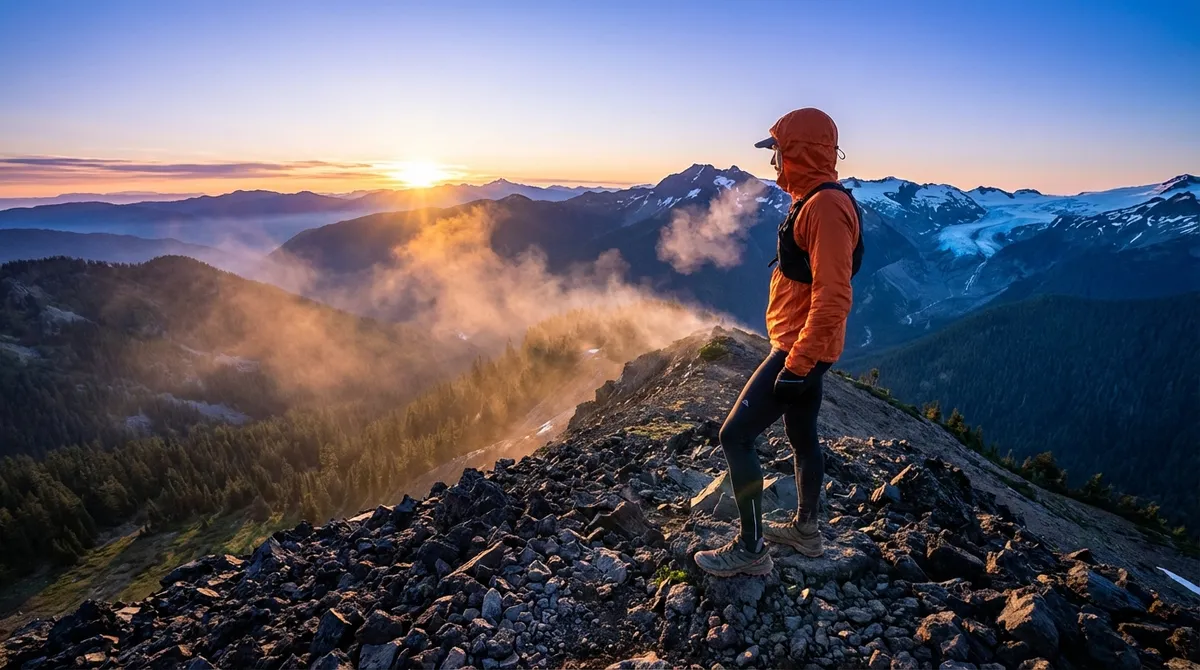
Why Adventure Fitness Hits Different
There’s a special kind of power that shows up when your heart rate spikes at 10,000 feet, or your legs burn halfway up a volcanic slope and you keep going anyway. Adventure fitness fuses three forces: physical training, wild landscapes, and the mindset of an explorer.
When you’re climbing a granite face in Thailand or running along the coastal paths of Portugal, your workout stops being a “session” and becomes a story. You remember how the air tasted, how your calves screamed on the last switchback, how the view punched the breath out of your lungs in the best way. Research backs this up: exercising in natural environments can improve mood, lower stress, and increase motivation compared with indoor workouts. Adventure fitness pulls you out of autopilot and into full sensory presence—your body becomes the vehicle, and the destination is a stronger, more resilient you.
Destinations That Turn Effort Into Epic Memory
The world is stacked with places where fitness and adventure collide so perfectly it feels like they were designed for it.
In Patagonia, long glacial valleys and jagged spires challenge trekkers with days of hiking under ever-changing skies. Your quads will remember the climbs up Mirador Las Torres, but your mind will replay the turquoise lakes you earned with every step.
Head to Madeira, the Portuguese island that’s basically a vertical playground. Levadas (irrigation-channel trails) carve across cliffs and through laurel forests, offering everything from lung-punching stair climbs to smooth, rolling runs with Atlantic views.
Or chase altitude in Colorado’s Rocky Mountains, where high-elevation trails make every breath a training tool. A simple hike becomes VO₂ max work when you’re above 9,000 feet, and ridge runs sharpen your balance, foot strength, and mental grit.
Along New Zealand’s South Island, glacier-fed rivers, alpine crossings, and coastal tracks give you a full-body adventure lab. Kayak, trail run, climb, and hike—all within a few days—and discover just how adaptable your body really is when you swap routine for raw variety.
Each of these landscapes tests a different part of your fitness: endurance, stability, strength, and courage. The payoff isn’t just physical; it’s a deep sense of capability that follows you home.
5 Active Travel Tips For Hardcore Adventure Seekers
You’re not looking for a “relax by the pool” itinerary—you want to land, move, and feel alive. These five tips keep your journey wild and your body ready for anything.
1. Build A “Travel-Ready” Base Before You Go
Adventure destinations reward preparation. Treat your upcoming trip like an event you’re training for.
Focus your pre-trip workouts on:
- Leg strength and endurance: squats, lunges, step-ups, and long hikes with a loaded backpack if you’ll be trekking.
- Core stability: planks, anti-rotation holds, and carries to handle uneven terrain or pack weight.
- Cardio variety: mix steady-state efforts (long runs, hikes, bike rides) with intervals to handle bursts—like scrambling a steep pitch or sprinting for that last ferry.
Arrive with a base that lets you enjoy the exertion instead of just surviving it. The fitter you are, the more spontaneous adventures you can say yes to.
2. Let Terrain Be Your Coach, Not Your Enemy
Your training surface changes the moment your plane lands—and that’s an asset.
In coastal destinations (think Bali, Costa Rica, or Hawaii), use sand for strength and stability: beach sprints, walking lunges, and barefoot balance drills. Soft sand punishes lazy mechanics and rewards power and control.
In mountain regions like the Alps or Dolomites, embrace elevation gain as natural interval training. Hike or run uphill at a strong but sustainable pace, then use the descent for braking control and eccentric strength—great for building resilient quads and glutes.
In jungle or forest regions—like Costa Rica’s cloud forests or British Columbia’s cedar trails—roots and rocks become agility drills. Short, technical trail runs turn every foot placement into active focus work, sharpening your coordination and proprioception.
Instead of forcing your usual workout onto a new landscape, let the landscape dictate how you move.
3. Pack Like An Athlete, Not A Tourist
Your bag is your mobile training kit. You don’t need a full gym, just smart, lightweight tools:
- Minimalist trail shoes with solid grip for mixed terrain
- Compact resistance bands for warmups, activation, and strength work in tiny hotel rooms or campsites
- Collapsible water bottle or hydration pack so you never skip movement because you’re worried about access to water
- Lightweight rain layer and sun protection so weather doesn’t cancel your plans
- Travel-friendly snacks (nuts, jerky, dried fruit, energy bars) that keep you fueled between flights, buses, and long hikes
The aim is simple: remove friction. If you’ve got the right gear, “I can’t train here” becomes “What can I do here?”
4. Train With Locals, Not Just With Views
Yes, the vistas are the headline—but the people you move with can change everything.
Seek out:
- Local running clubs in cities like Cape Town, Sydney, or Barcelona—many welcome visitors for drop-in runs.
- Surf schools in places like Portugal’s Algarve or Costa Rica’s Pacific coast—paddling, popping up, and reading waves is an athletic education.
- Climbing guides in destinations like Railay (Thailand) or Kalymnos (Greece), who can safely push your limits on new rock.
- Community fitness classes in parks or on beaches, from bootcamps to outdoor yoga and mobility.
Training alongside locals shows you how people in that region move, play, and challenge themselves. Your fitness improves, and your connection to the place deepens.
5. Periodize Your Trip: Push, Play, Recover
The fastest way to ruin an epic trip is to go hard every single day until your body quits. Plan your adventure like an athlete plans a season.
Think in waves:
- High-demand days: big hikes, long cycling routes, summit pushes, or full days of surfing or skiing.
- Moderate days: shorter hikes, easy runs, exploration by bike, or a half-day of activity mixed with relaxed sightseeing.
- Recovery days: slow walks, mobility work, stretching by the water, maybe a gentle paddle or easy swim.
Use evenings for low-intensity movement—short walks after dinner—to help your body reset. Hydrate aggressively, prioritize sleep, and don’t be afraid to skip a planned challenge if your joints or nervous system feel cooked. Adaptation happens when you respect recovery as much as the grind.
Craft Your Own Adventure Fitness Identity
Adventure fitness isn’t reserved for ultra-endurance athletes or pro climbers. It belongs to anyone willing to trade comfort for curiosity, and convenience for challenge. You don’t have to fly across the world tomorrow; you can start by treating your local hills, coastline, or city staircases like a training ground for the expeditions you haven’t taken yet.
Every time you say yes to a trail instead of a treadmill, to a sunrise start instead of a snooze button, you’re building an identity: the kind of person who goes, even when it’s hard. When the moment comes to tackle that ridgeline in Patagonia, that volcanic trail in the Azores, or that alpine pass in New Zealand, you’ll be ready—not just physically, but mentally, too.
Pack light. Move often. Choose the harder path when it appears. Let the world shape your workout—and let your workout shape the way you move through the world.
Sources
- Harvard Health Publishing – Exercising outdoors has many mental health benefits - Overview of how outdoor exercise improves mood and reduces stress
- National Park Service – Hiking Tips - Practical guidance on hiking preparation, safety, and gear considerations
- Centers for Disease Control and Prevention – Physical Activity Basics - Evidence-based recommendations for physical activity and fitness
- American Council on Exercise – Benefits of Trail Running - Insight into how mixed terrain improves strength, balance, and endurance
- Adventure Travel Trade Association – Adventure Travel Trends - Research and reports on the growth and characteristics of adventure-focused travel