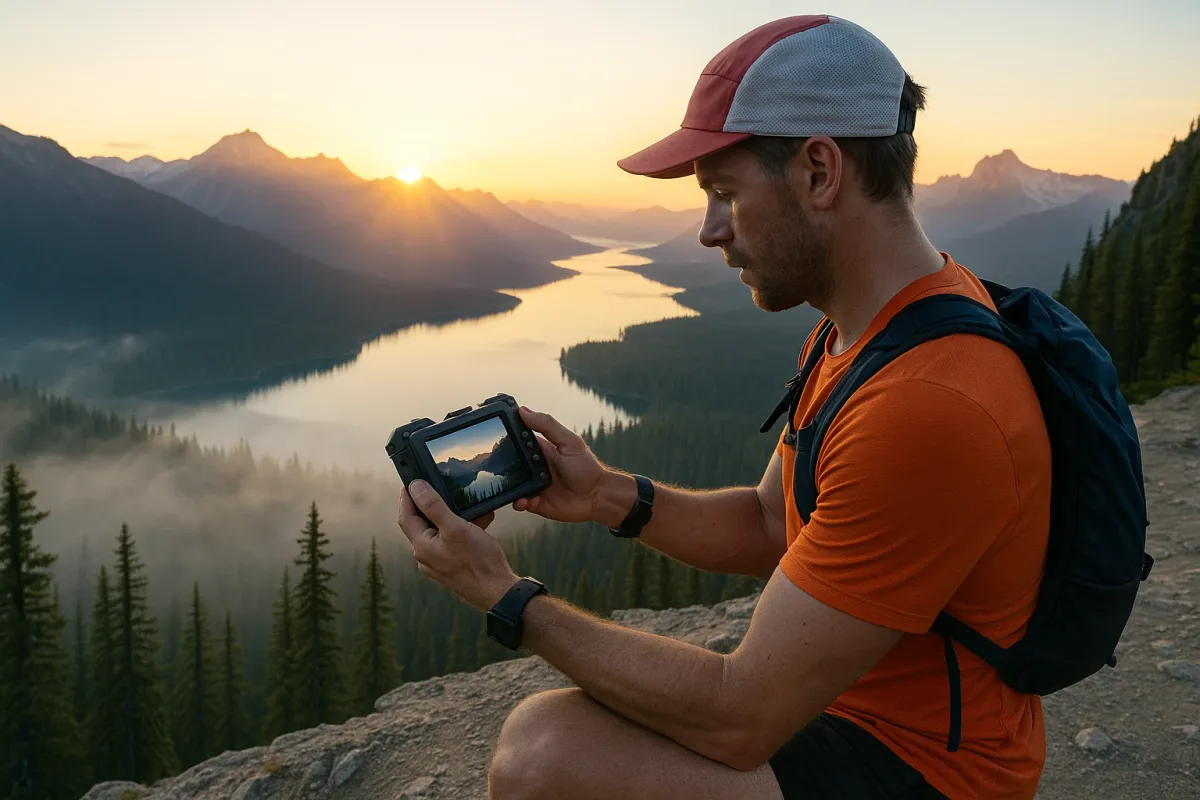
So let’s use this moment, while those viral photos from the Nature Photographer of the Year contest are filling feeds again, to do more than dream. Let’s turn that wanderlust into adventure fitness—the kind where your heart rate climbs with the elevation, and your “vacation” looks more like a training montage than a poolside nap.
Below are five active travel strategies inspired by the same wild landscapes that just won global awards. Think of this as your blueprint for stepping into the frame instead of just double-tapping it.
1. Build Your Own “Photo Mission” Hikes
Those winning shots weren’t taken from the parking lot. Many were captured after pre-dawn starts, technical ascents, and long days on foot. Steal that approach: for your next trip, design photo missions instead of casual strolls.
Pick one or two iconic viewpoints—like glacier overlooks in Patagonia, lava fields in Iceland, or ridgelines in the Dolomites—and turn reaching them into your primary workout. Plan routes that involve steady vertical gain, mixed terrain, and variable weather. Train at home with incline treadmill hikes, stair intervals, and pack-loaded walks so your body treats those “one more switchback” moments as a thrill, not a threat. Bonus: focusing on nailing the shot keeps your mind in flow, helping you push farther than you would on a normal workout.
2. Chase Water: Rivers, Coasts, and Cold-Plunge Endings
Scroll through the Nature Photographer of the Year gallery and you’ll see it: water everywhere—thundering waterfalls, mirror-still lakes, rugged shores. Let that become your fitness compass.
On your next journey, design days around movement that follows water: coastal trail runs along cliffs in Portugal, kayak-and-hike combos in the Norwegian fjords, or river-side bike routes in Slovenia. End your sessions with a cold water plunge (safely, with local guidance and conditions checked). It’s not just a cinematic finale—it can boost circulation, sharpen your mind, and accelerate recovery. Set a mini-challenge: every new destination, find “one body of water, one bold workout, one icy dip.”
3. Train Like a Wildlife Photographer: Still, Silent, Strong
Many of this year’s celebrated nature photos involved long, silent hours tracking animals through forests, savannas, or alpine meadows. That combination of patience and precision is an underrated form of fitness.
Try adding “stealth sessions” to your travel: sunrise walks in national parks, slow, controlled hikes through jungles, or mindful movement on desert dunes. Practice moving quietly and efficiently—shorter steps, softer landings, engaged core, strong posture. You’ll burn energy without realizing it, sharpen your awareness, and increase your odds of witnessing wild moments you’ll never see from a tour bus. Bring binoculars or a camera; let the quest for a wildlife sighting stretch your “just one more kilometer” into whole new territory.
4. Turn Golden Hour Into Your Daily Adventure Ritual
Photographers obsess over golden hour—those slices of time just after sunrise and just before sunset when the world looks cinematic. Adopt the same mindset for your active travel.
Instead of sleeping in and doing all your exploring mid-day, build a rhythm: dawn movement, daytime wandering, sunset sweat. That might mean a sunrise trail run above Cape Town, a twilight coastal walk in Croatia, or a sunset stair workout in a hillside village. Golden hour gives you cooler temps, emptier paths, and views that feel surreal. Stack this habit over a one- or two-week trip and you’ve just banked a serious amount of low-impact cardio—without sacrificing your days to the gym.
5. Pack Like a Minimalist, Move Like an Athlete
Look at any behind-the-scenes shot of elite nature photographers: streamlined packs, ruthlessly chosen gear, everything built for mobility and endurance. Treat your luggage the same way.
Travel with a light, adventure-ready kit: trail shoes instead of bulky sneakers, a compact daypack, a merino base layer, and one simple resistance tool (like a mini-band or lightweight suspension trainer). Keep your hands free and your load light so you can decide on the spot to sprint up that dune, scramble to a viewpoint, or jog back instead of taking a taxi. A lean pack turns every travel day into a movement opportunity—from airport stairs to city hill climbs—without feeling like you’re dragging a closet on your back.
Conclusion
This week’s viral Nature Photographer of the Year images are more than art—they’re a reminder that the planet is still brimming with wild corridors, jagged skylines, and secret pockets of silence. You don’t have to be behind a €5,000 camera to be part of that story; you just have to be willing to move through it.
Use those award-winning frames as your training posters. Let landscapes set your workout goals. Hike for the view, run for the sunrise, plunge for the adrenaline. Because the next time the world scrolls past a breathtaking shot of some far-flung trail, you won’t just be thinking, “Wow, I wish I was there.”
You’ll be thinking, “I was there—and my heartbeat is still echoing in that valley.”